




Brain Tumor Surgery in Sangli
Brain tumour surgery starts with understanding the diagnosis, not simply deciding to remove a lump. A tumour may arise within the brain or its coverings, or spread from another organ. Location, growth pattern, symptoms and general health all influence the plan. Families seeking brain tumor surgery in Sangli can use this guide to prepare for a neurosurgical discussion, without assuming every tumour requires an operation.
Symptoms and reasons for assessment
These features may justify medical review, but they do not establish a diagnosis. Their onset and progression determine urgency.
- A new seizure or a change in seizure pattern
- Progressive weakness, imbalance or difficulty speaking
- Persistent or changing headaches, particularly with other neurological symptoms
- Vision, behaviour or memory changes
Types, location and why the diagnosis matters
A benign tumour is not the same as a harmless tumour: even a slow-growing growth can press on important structures. Conversely, an abnormal scan does not establish cancer. The distinction between primary and secondary tumours, and between different tissue types, guides monitoring, surgery and oncology input. A tissue diagnosis may be needed before the full treatment plan is clear.
MRI, CT and tissue assessment
MRI often provides detailed information about the tumour and surrounding structures. CT may be useful in urgent assessment or when MRI is unsuitable. Contrast and additional tests are selected for the individual situation. Bring the scan images as well as the written report; the relationship to brain regions, blood vessels and fluid pathways is important for planning.
Observation, biopsy or removal
Some tumours can be monitored with scheduled imaging, while others need a biopsy or attempted removal. A craniotomy means opening part of the skull to access an area and replacing the bone when appropriate. The goal is safe diagnosis or treatment, not maximal removal regardless of neurological risk. Ask why a particular option is recommended and what happens if treatment is deferred.
Risks and multidisciplinary treatment
Risks depend on the site and procedure and may include infection, bleeding, seizures, fluid problems or changes in movement, speech, vision or memory. Surgery may be one part of treatment rather than the whole treatment. Oncology, radiotherapy, rehabilitation and other specialist opinions may be necessary. The hospital must confirm which services are local and which require referral.
Recovery and follow-up
Recovery includes wound care, review of pathology, symptom monitoring and, when needed, rehabilitation. Medicines should be taken according to the treating team’s instructions. Return to work, travel, driving and exercise require individual advice. Follow-up scans may be needed even after apparently complete removal, because the tumour type and risk of recurrence influence long-term surveillance.
Preparing for a consultation in Sangli
For a planned review, bring original scan images as well as written reports, previous treatment and operation records, a medicine and allergy list, and a short timeline of symptoms. Explain what has changed and how walking, work, sleep or everyday tasks are affected. Do not delay emergency care to collect these documents.
Ask which findings explain your symptoms, whether further tests would change the plan, what nonsurgical alternatives exist, and what any proposed treatment is intended to improve. Discuss risks, practical recovery needs and how results will be communicated. Costs, insurance approval and local procedural availability require case-specific confirmation.
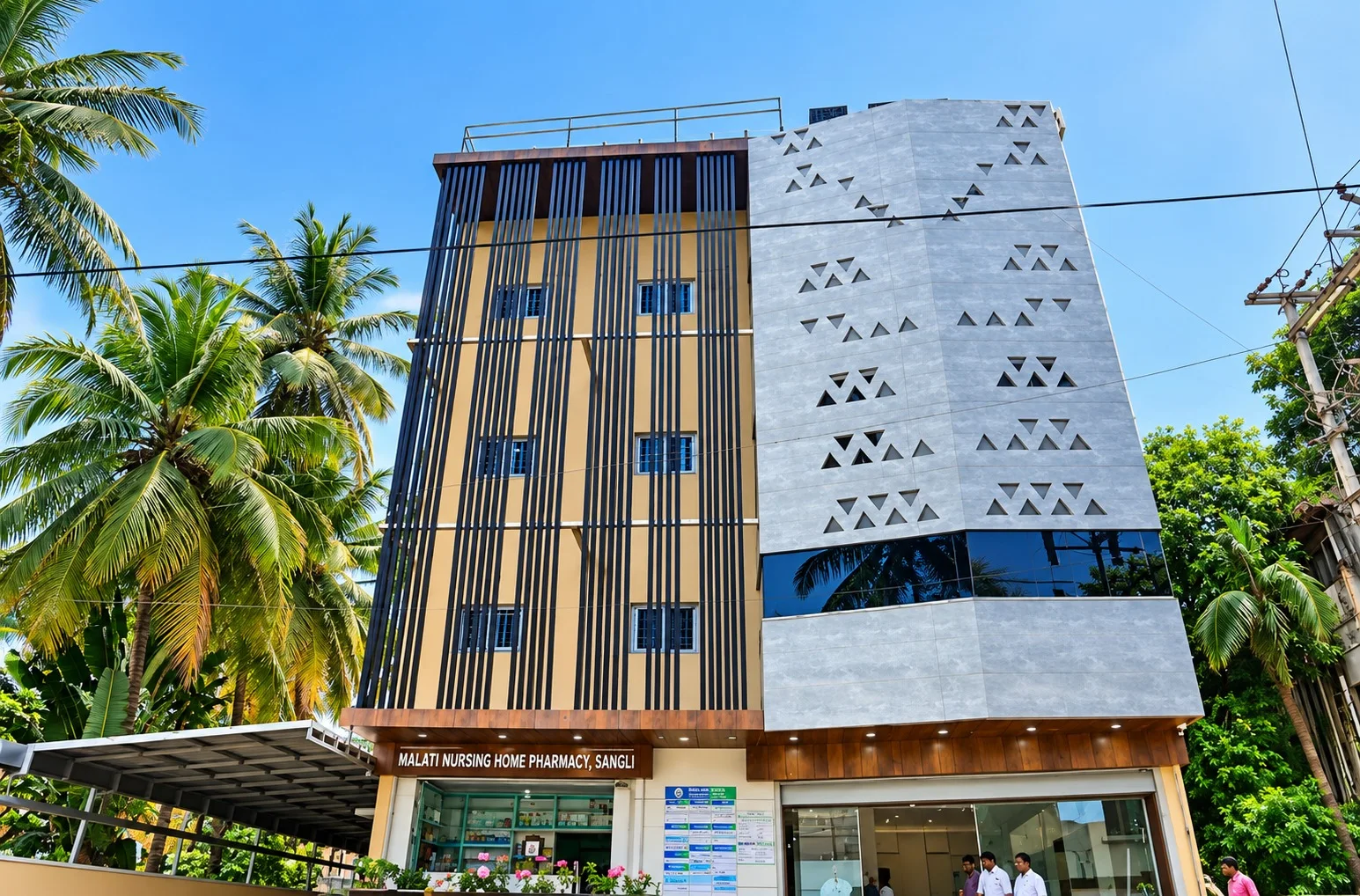
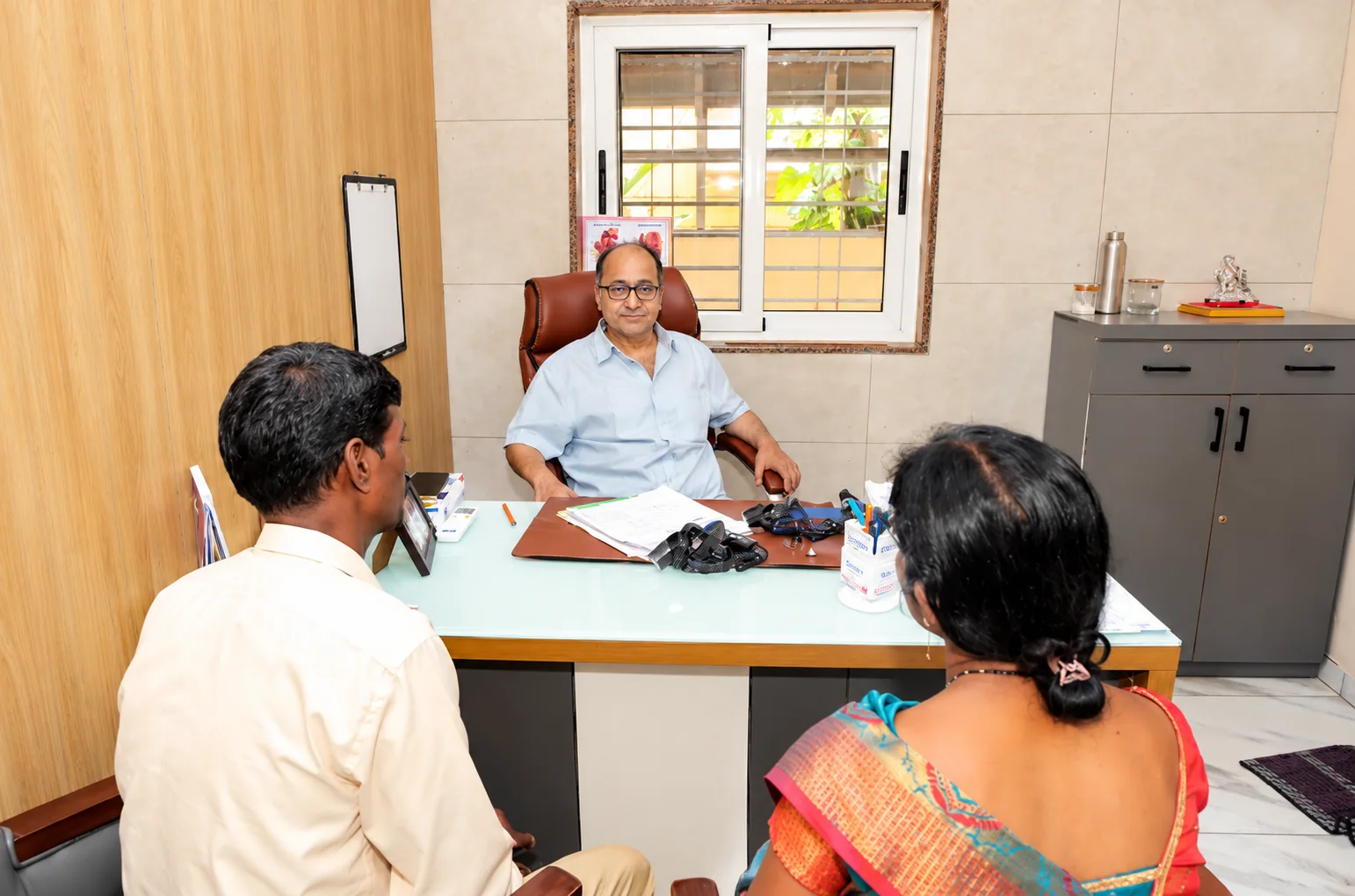
Meet Dr. Rohan Patil, MS, M.Ch (Neurosurgery), explore the neurosurgery department, or use our hospital contact and directions page for Vishrambag, Sangli–Miraj Road, Sangli. An appointment request needs hospital confirmation and is not an emergency assessment.
Frequently asked questions
Does every brain tumour need immediate surgery?
No. Urgency depends on symptoms, pressure effects, imaging and the suspected tumour type. Observation, biopsy, removal or other treatment may be appropriate after specialist assessment.
Can a scan prove that a tumour is cancer?
Imaging can suggest possibilities, but tumour classification may require tissue testing. The surgeon should explain whether biopsy is needed and how the result could change treatment.
Will removing a tumour restore every lost function?
That cannot be promised. Outcome depends on existing injury, tumour location and treatment risks. Rehabilitation may help, but some difficulties can persist despite treatment.
What should I bring for an assessment?
Bring original scan images, reports, a medicine and allergy list, previous treatment records and a short symptom timeline. For an emergency, do not delay care while collecting documents.
Can this guide confirm my diagnosis?
No. Similar symptoms can have different causes. A clinician must interpret the history, examination and relevant tests before recommending a diagnosis or treatment.
How do I confirm the treatment location and appointment?
Contact the hospital to confirm the appropriate doctor, date, time and service scope. A booking request is not a guaranteed slot, procedure, insurance approval or bed reservation.
Which new symptoms should not wait for routine review?
Sudden weakness, speech change, an exceptionally severe headache, serious injury, new bladder or bowel dysfunction, saddle numbness or rapid neurological deterioration requires emergency assessment. Call 112 or local emergency services.
References and editorial policy
Original patient-education text prepared from the references above and supplied hospital facts. Content prepared: 22 October 2026. An actual reviewer’s name, qualifications and review date appear only after approval of this exact version. Review is due annually or earlier when evidence, clinical practice or hospital capabilities change. Read the medical disclaimer.