Appointments, clinician availability and the exact services offered should be confirmed with the hospital team.
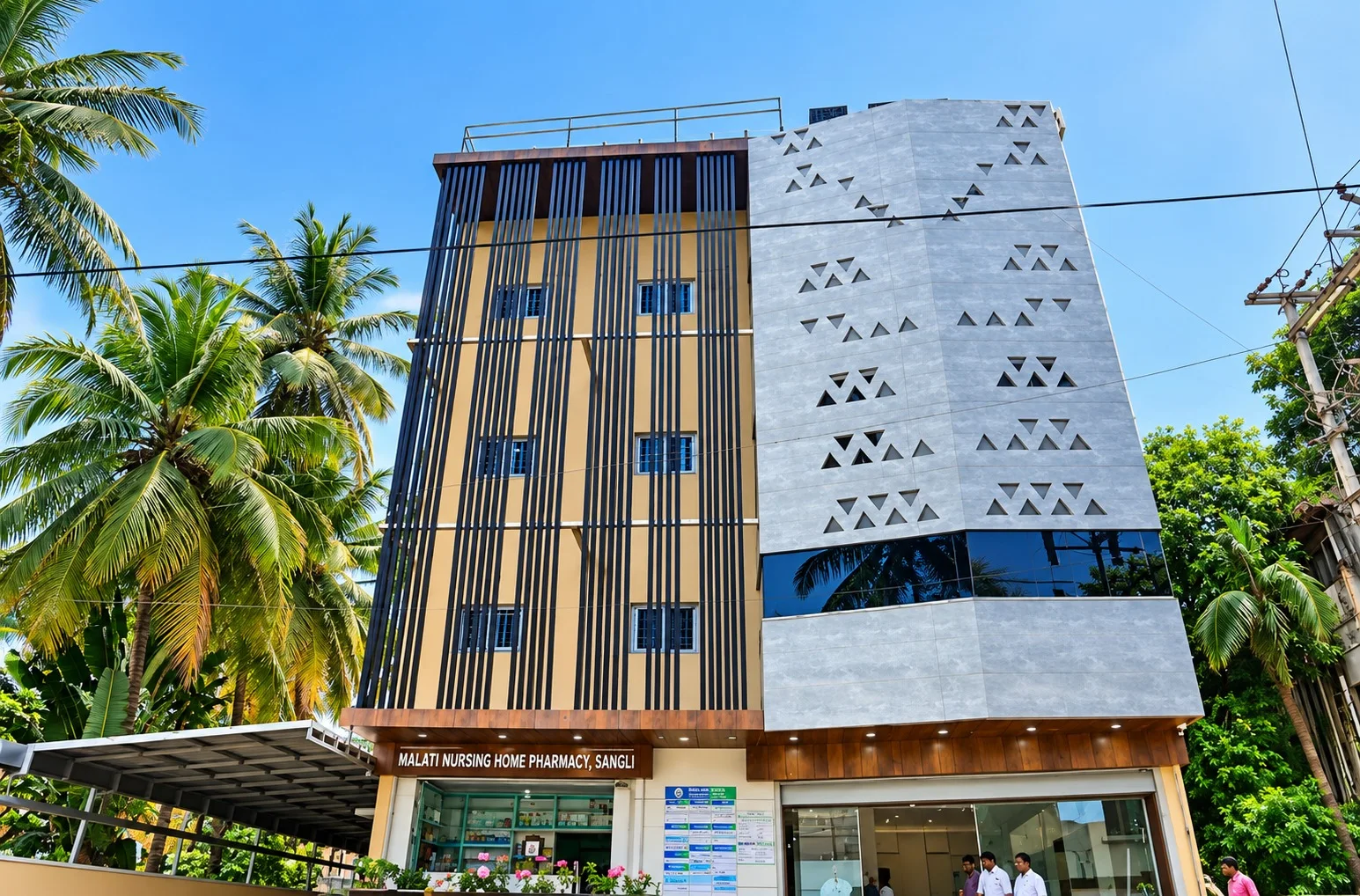
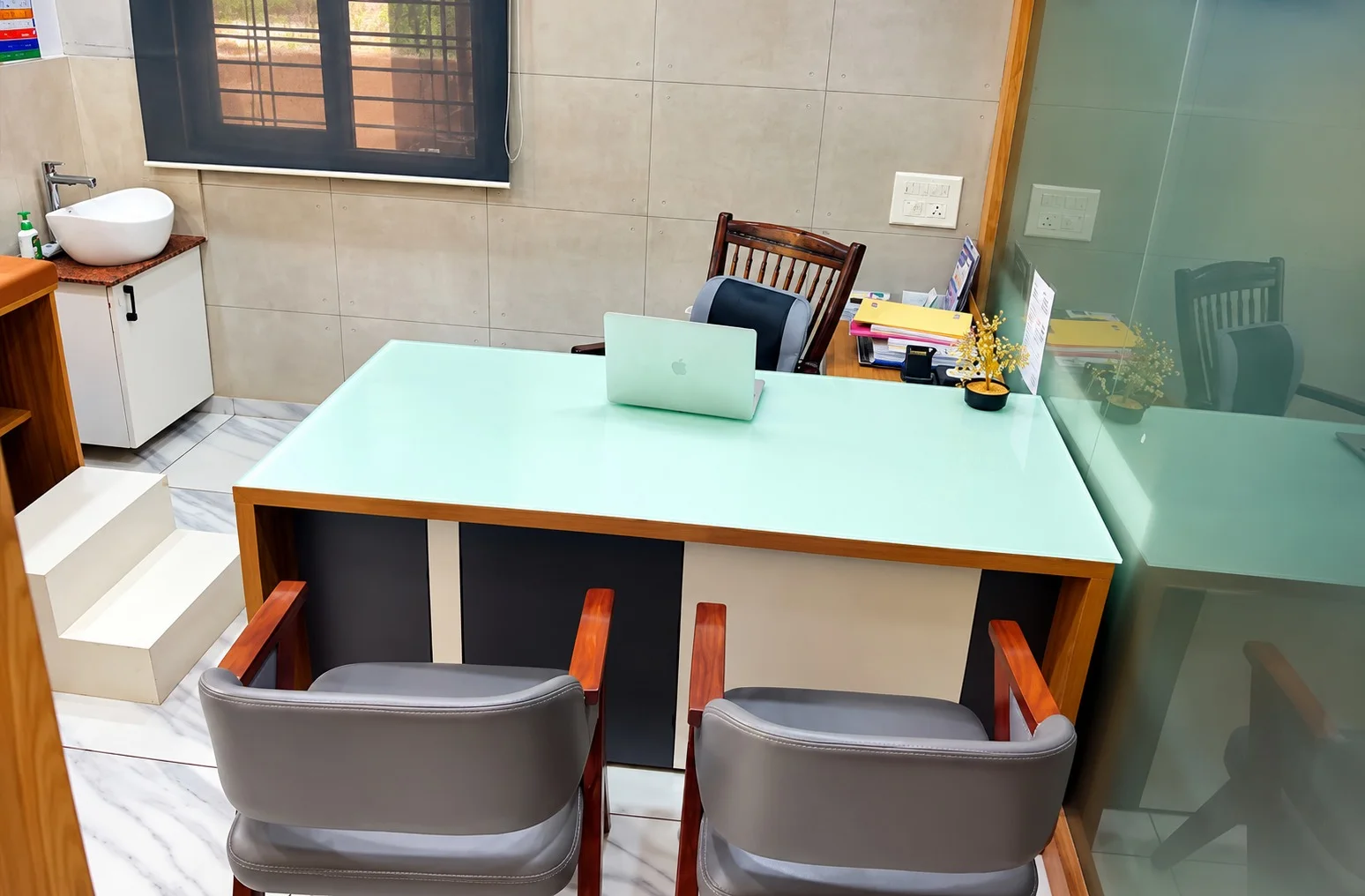
Hospital photograph. Specific care and equipment depend on the service and clinical plan.
Service overview
Discuss your concern with the clinical team
Plastic & Reconstructive Surgery at Deccan Malti Hospital, Sangli focuses on reconstruction — repairing what injury, infection, burns or cancer surgery has taken away. This includes complex wound management, skin grafting and flaps, hand and facial injury repair, scar revision and post-cancer reconstruction, working closely with the hospital's oncology and orthopaedic teams. The goal is always two-fold: restore function first, and then achieve the most natural appearance possible.
This educational page does not diagnose a condition or replace assessment and advice from a qualified clinician.
How the consultation may help
Plastic surgery is widely misunderstood as only cosmetic surgery. In a hospital setting, its core role is reconstructive: the crushed hand after a machine injury, the diabetic foot wound that will not heal, the facial cut that needs meticulous repair, the tissue defect left after cancer removal. These are problems where plastic surgical techniques — grafts, flaps, microsurgery — make the difference between loss and recovery.
Equally important is timing. Hand injuries and facial lacerations repaired well in the first hours heal dramatically better than those repaired late or casually. Wounds that fail to heal with routine dressings often need a reconstructive opinion sooner rather than later.
Every reconstructive plan here begins with function: a hand that works, a wound that closes, movement that returns. Aesthetic refinement follows from that foundation.
Concerns that may be assessed
The examples below are general information, not a self-diagnosis checklist. A clinician decides what assessment is appropriate.
Hand & Finger Injuries
Cuts, crush injuries, tendon and nerve damage from industrial or domestic accidents. Precise surgical repair of tendons, nerves and skin gives the best chance of regaining hand function.
Deep hand cuts with loss of movement or sensation need surgical evaluation within hours, not days.
Non-Healing & Diabetic Wounds
Wounds that fail to heal with routine dressings — diabetic foot ulcers, pressure sores, post-surgical wounds. Reconstructive options include grafts and flaps after the wound is properly prepared.
A diabetic foot wound with spreading redness, fever or black tissue is an emergency.
Burns & Post-Burn Deformity
Acute burn care and later correction of contractures — tightened scars that restrict movement of the neck, hands or joints — through release and reconstruction.
Burns of the face, hands, joints, or larger than the patient's palm need hospital care from the start.
Facial Injuries & Lacerations
Facial cuts, fractures and soft-tissue injuries repaired with fine techniques that prioritise both healing and appearance.
Facial injuries with vision change, bite misalignment or numbness need specialist review.
Post-Cancer Reconstruction
Restoring form and function after cancer surgery — for example after oral or soft-tissue tumour removal — planned together with the oncology team.
Reconstruction planning works best when done before cancer surgery, not as an afterthought.
Scar Revision
Improving scars that are thickened, tight, painful or restricting movement, using surgical and non-surgical methods with realistic expectations.
A scar that keeps growing beyond the wound margins (keloid) needs early specialist advice.
Symptoms to discuss
Describe what you notice, when it started, how it has changed and how it affects everyday activities. Seek urgent care for severe or sudden symptoms.
A wound not showing healing progress after 2–3 weeks of dressings
Loss of finger or hand movement or sensation after a cut
Tight, thickened scars limiting joint movement
Diabetic foot ulcers or non-healing sores
Facial or hand injuries needing careful repair
Tissue loss expected after planned cancer surgery
Assessment and investigations
Assessment begins with the wound or injury itself: its depth, the structures involved — tendons, nerves, vessels — and the condition of surrounding tissue. For non-healing wounds, the underlying cause is investigated: circulation, sugar control, infection and pressure factors.
X-rays evaluate associated fractures; vascular assessment may be needed for poorly healing limbs. For planned reconstruction, photographs and measurements help plan the procedure and track results.
The reconstructive options are then explained in order of complexity — from simpler to more involved — because in reconstruction, the simplest method that will reliably succeed is usually the right first choice.
Possible care options
Treatments span the reconstructive ladder: meticulous wound care and negative-pressure therapy for wound preparation; skin grafting for clean, well-prepared wounds; local and distant flaps for deeper defects with exposed bone or tendon; and microsurgical techniques for nerve and vessel repair.
Hand surgery repairs cut tendons and nerves with fine sutures under magnification, followed by supervised hand therapy — the repair is only half the treatment; disciplined therapy determines the final function.
For burns and scar contractures, release procedures restore movement, and staged revisions improve appearance. Expectations are discussed honestly: reconstruction improves function and appearance significantly, but scars can be refined, never erased.
What to discuss with the team
Reconstruction-first philosophy — function restored before appearance refined
Coordination with orthopaedics, oncology and diabetology for complex cases
Structured wound-care pathway for non-healing and diabetic wounds
Honest counselling about what reconstruction can and cannot achieve
Hand therapy and rehabilitation integrated into recovery plans
A possible care pathway
Evaluation
Assessment of the wound, injury or defect and the structures involved.
Cause correction
Sugar control, circulation and infection addressed before reconstruction.
Reconstructive plan
Options explained from simple to complex; photographs for planning.
Procedure
Grafting, flap, tendon/nerve repair or contracture release as planned.
Therapy & follow-up
Hand therapy, splinting, scar care and staged reviews.
Preparing for a visit
Complete wound or injury history — when, how, and what treatment so far
Photographs of the wound over time, if available
Recent sugar and HbA1c reports for diabetic wounds
List of current medicines, especially blood thinners
Previous operation notes for revision or secondary procedures
Insurance documents for planned admissions
Follow-up and recovery
Recovery in reconstructive surgery is measured in weeks to months, and therapy is central: tendon repairs need weeks of protected movement under a hand therapist's guidance; grafts and flaps need careful wound care until fully settled.
Scar care continues for months after healing — massage, silicone products, sun protection and pressure garments where advised. Scars mature for a year or more; patience with this process is rewarded.
Follow-up visits track healing, adjust splints, and plan any staged procedures. Attending them is part of the treatment, not an optional extra.
Describing function, comfort and personal goals
A useful consultation includes what you hope to improve and why it matters in daily life. Describe issues with movement, wound healing, comfort, clothing, work or self-care as relevant, and identify the change that would make the greatest difference. The clinician can then discuss whether the desired goal is medically realistic and within the scope of care.
If your concern followed an injury, operation or illness, bring a timeline and relevant records. Explain what has already been treated and whether the area has changed. Photographs may sometimes help show progression, but ask how to share them securely and whether they are needed before sending private images.
Planning around healing and possible stages
Reconstructive treatment may involve more than one step, and the timing can depend on healing, the underlying condition and the result of earlier care. Ask whether the plan is expected to be one procedure or staged, what milestones the team will use, and what factors could delay or change the plan.
Discuss wound care, dressings, activity, work, travel, follow-up and support at home before treatment. Ask whom to contact about a change in the wound or a new symptom. Do not use general internet advice to choose a dressing, cream or supplement; use the instructions from the treating team.
Evaluating information and keeping expectations realistic
Images on the internet often show selected outcomes and do not predict an individual result. Ask how the clinician will describe success for your case, what may remain unchanged, and which risks could affect healing or function. If you do not understand a term, ask for it to be explained without technical shorthand.
Before deciding, make sure you know the alternative to surgery, the consequences of waiting, the recovery plan and the total care pathway. You can take notes, bring a trusted support person and request a second opinion. A written summary can help you discuss the recommendation with family without losing important details.
Planning around skin, wound and scar care
If the concern involves a wound or skin change, note when it began, whether it is healing, and any recent treatment. Tell the clinician about pain, drainage, colour changes, fever or a rapid change. Avoid applying unadvised products or altering a dressing when an assessment is planned; ask the treating team what to do.
After a procedure, follow the specific wound and dressing instructions provided for your case. Ask when the area can be washed, when activity may increase and who should review healing. If instructions are unclear or the wound becomes more painful, swollen or unwell-looking, contact the care team promptly.
Planning for function, appearance and support
Reconstructive goals can involve function, comfort, appearance or a combination. Tell the surgeon which matters most and what trade-offs you would accept. Ask whether the result may require revision or staged care, how long the process could take and what factors can affect healing. No photograph or online example can guarantee an individual outcome.
Consider how recovery may affect work, caregiving, transport and daily tasks. Ask whether help at home is likely and how long it may be needed. If the plan is emotionally difficult, ask about support options. A written timeline can help you make an informed decision without assuming that every case follows the same path.
Patient questions
Frequently asked questions about Plastic & Reconstructive Surgery
These general answers support a conversation with a qualified clinician; your care plan depends on your individual situation.
Is plastic surgery only cosmetic?
No. In a hospital setting, plastic surgery is primarily reconstructive — repairing hand injuries, closing difficult wounds, treating burns and rebuilding tissue after cancer surgery. Cosmetic procedures are only one small part of the speciality.
My wound has not healed for a month despite dressings. Why?
Wounds stall for identifiable reasons: poor circulation, uncontrolled diabetes, infection, dead tissue, or repeated pressure. A reconstructive assessment finds the cause and prepares the wound so that closure — by healing, graft or flap — can actually succeed.
How soon should a cut hand tendon be repaired?
Ideally within hours to a few days. Tendons and nerves repaired early heal with better function. If you have a deep hand cut with reduced finger movement or numbness, do not wait for a routine appointment.
Can burn contractures be corrected years later?
Yes. Even long-standing contractures restricting neck, hand or joint movement can be released and reconstructed. Earlier correction is easier, but meaningful improvement is possible years after the burn.
Will the scar disappear after plastic surgery?
No surgery can erase a scar completely. Fine repair techniques, proper wound care and later scar management make scars considerably less noticeable and prevent tightness — realistic expectations are discussed before any procedure.
What should I do immediately if a finger is cut off?
Control bleeding with direct pressure. Wrap the amputated part in clean moist gauze, seal it in a plastic bag, and place that bag on ice — never put the part directly on ice or in water. Reach a hospital with reconstructive capability immediately; time matters enormously.
Is skin grafting painful and how long does it take to heal?
Grafting is done under appropriate anaesthesia. The grafted area typically settles in 1–2 weeks; the donor area (usually the thigh) heals like a graze in about two weeks. Both areas are reviewed at follow-up.
Can reconstruction be planned before cancer surgery?
Yes, and it should be. When tumour removal will leave a significant defect, the reconstructive surgeon plans alongside the cancer surgeon so that form and function are restored in the same operation or a planned sequence.
Videos & reels
Plastic & Reconstructive Surgery videos
Short videos shared by the hospital about this service.
▶
Videos coming soon
The hospital can add service-related YouTube or Instagram videos in the admin panel.
Videos are provided for general information. They do not replace medical advice, diagnosis or treatment.
Help us improve this page
Share feedback about this service information
Your message is sent privately to the hospital team and is not published as a review. Please do not include patient records, test results or other sensitive medical details.
For appointments, use the appointment form. For urgent medical help, call 112 or go to the nearest emergency department.
Related services
Explore related care
Oncology
Medical consultation and guidance for people facing a cancer diagnosis or concern.