Deccan Malti Hospital · Sangli

Anorectal Surgery in Sangli

Specialist assessment of conditions affecting the anal and rectal area.

Appointments, clinician availability and the exact services offered should be confirmed with the hospital team.

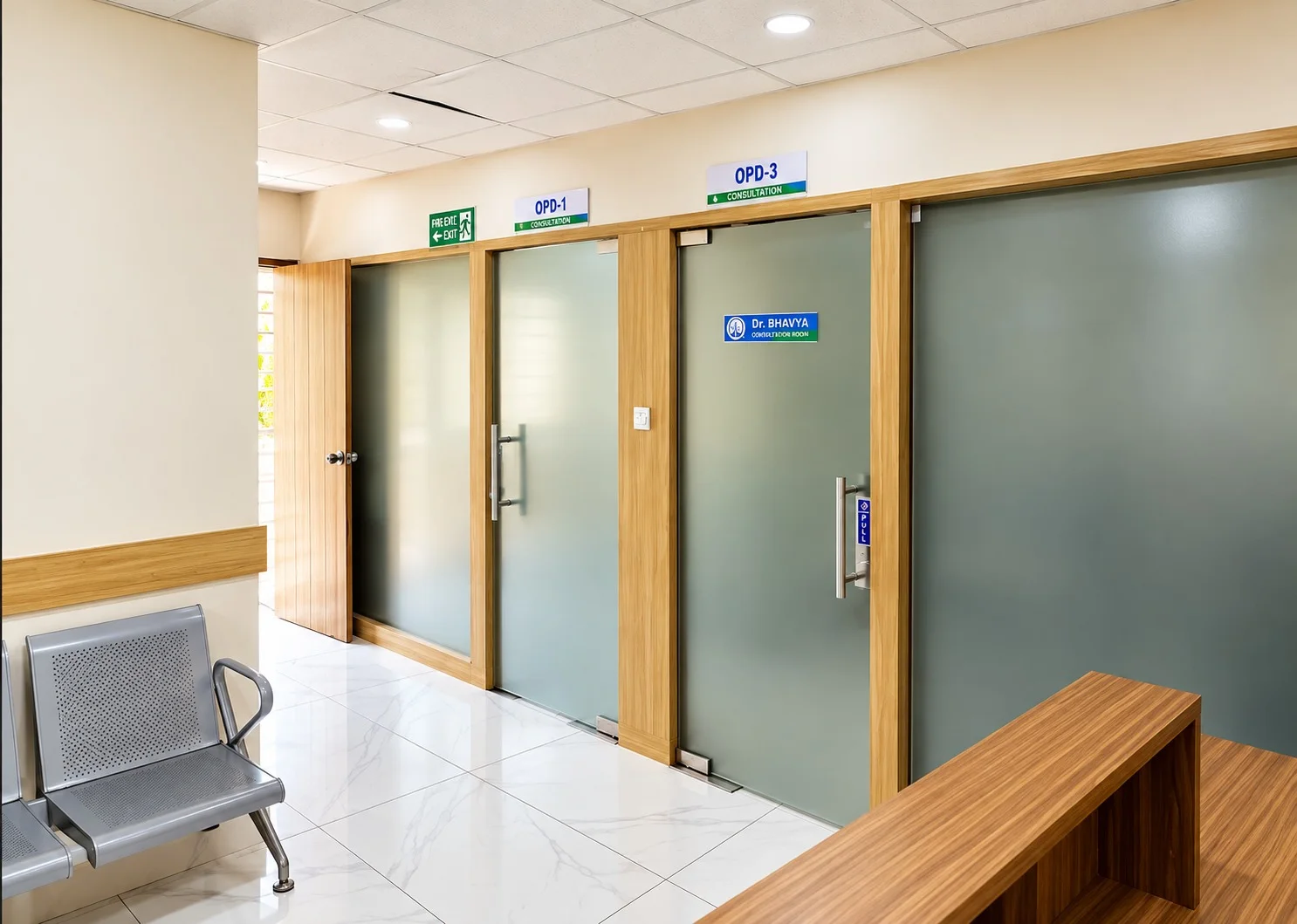
Hospital corridor at Deccan Malti Hospital
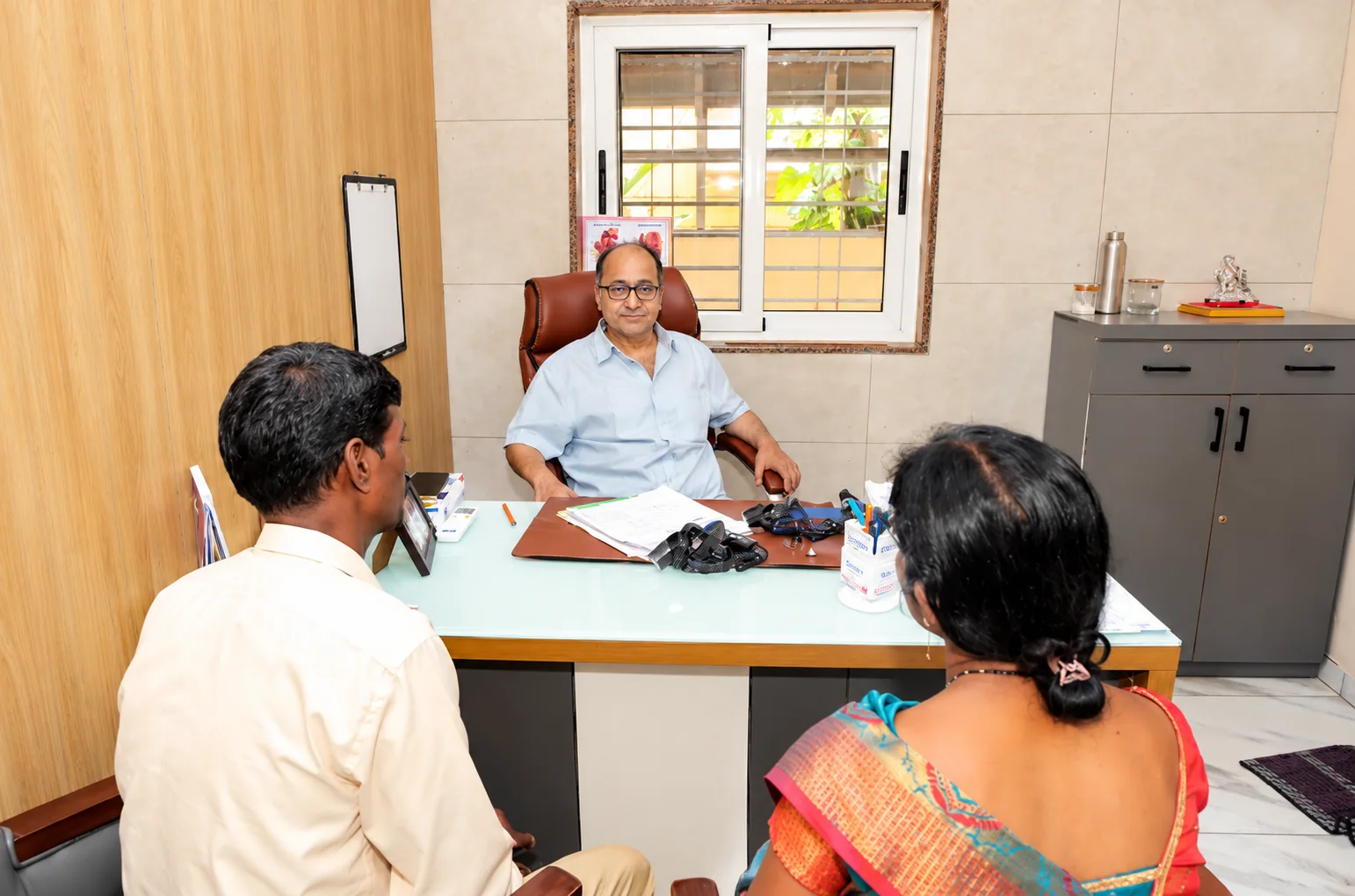
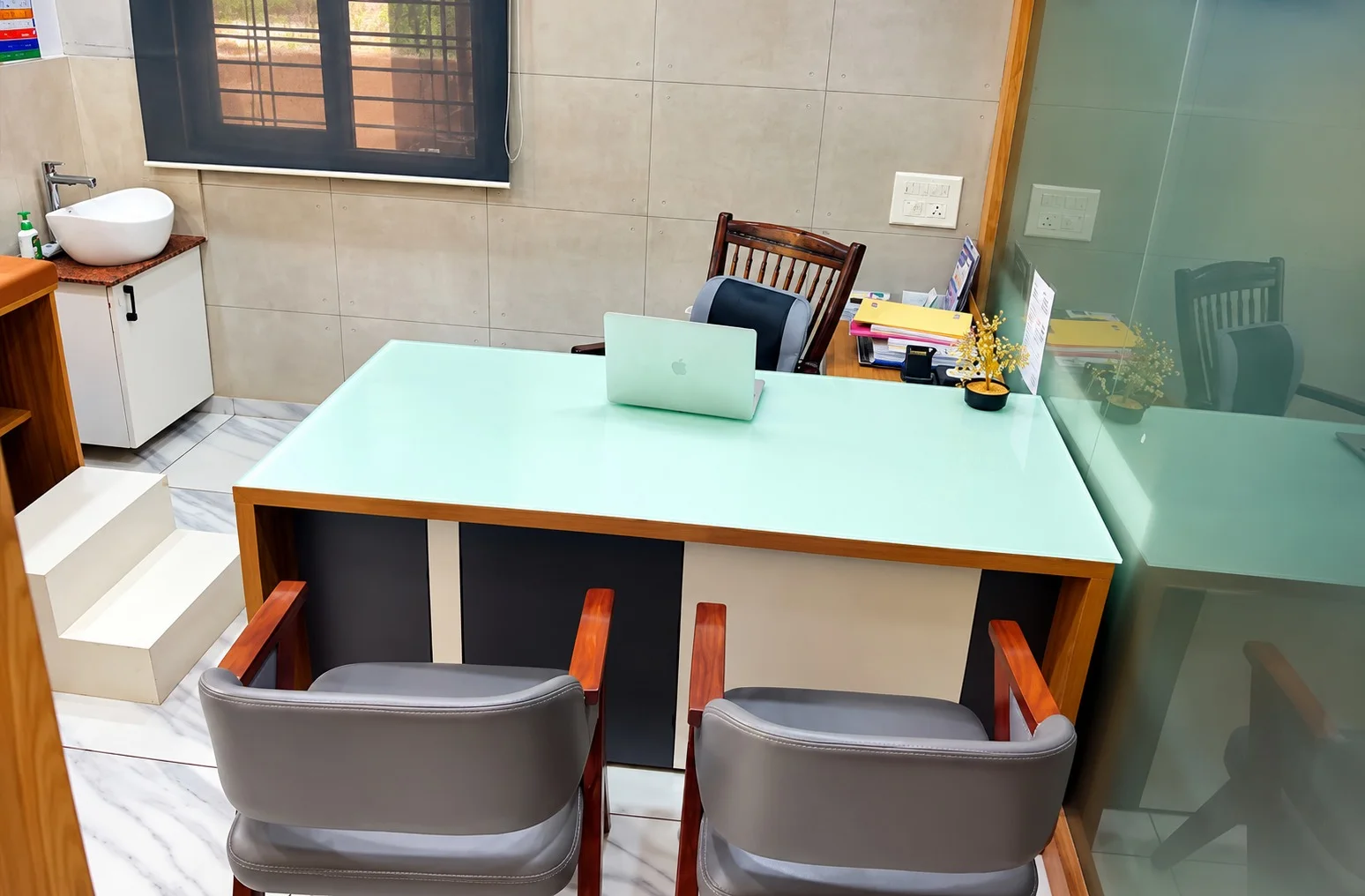
Hospital photograph. Specific care and equipment depend on the service and clinical plan.
Patient information

About Anorectal Surgery

Specialist assessment of conditions affecting the anal and rectal area.

This is general educational information. It does not diagnose, recommend a treatment for you, or confirm that every test or procedure described is available at this hospital.

Understanding anorectal concerns

Anorectal care relates to the anus and rectum. Symptoms such as pain, bleeding, itching, swelling, a lump or discharge can arise from different causes, including haemorrhoids, fissures, abscesses or fistulas. Similar symptoms do not prove which condition is present, and self-diagnosis can delay the right assessment.

A consultation is a private conversation about what you have noticed and how it affects daily life. Explain when the symptom began, whether it is getting worse, and any changes in bowel habits. Tell the clinician about earlier treatment, relevant conditions and medicines. You may ask for an explanation before any examination and discuss privacy or comfort needs.

How the first assessment may work

The clinician reviews the symptom history and relevant medical background before deciding what examination or test, if any, is appropriate. The assessment may include a focused physical examination. The team should explain each step and ask for consent; ask questions if you do not understand what is proposed.

Additional tests are selected according to the concern and the findings. A test that is useful for one person may be unnecessary or unsuitable for another. Ask what question a test is intended to answer, how to prepare, whether medicines need review, and how the result will be discussed. Do not stop prescribed treatment on your own.

Why bleeding and persistent symptoms need review

Bleeding from the anus may have common causes, but it can also be linked to other bowel conditions. Persistent bleeding, a change in bowel habit, unexplained weight change, worsening pain or a family history of bowel disease should be described to a clinician. A website cannot distinguish a minor cause from one that needs investigation.

Seek prompt clinical advice for a new or recurring symptom, even if you have experienced something similar before. Heavy bleeding, fainting, severe pain, fever with swelling, or feeling acutely unwell needs urgent attention. The appropriate response depends on severity and context; call emergency services for an immediate emergency.

Discussing non-operative and procedural options

Management depends on the diagnosis and may include advice, medicines, monitoring, an office-based treatment, a procedure or referral. The clinician should explain why a particular option is being considered, what benefit is realistic, possible harms, alternatives and what happens if you wait. You can ask for time to think or request another opinion.

If a procedure is recommended, ask about the setting, anaesthesia, expected recovery, aftercare, follow-up and warning signs. Confirm which medicines to take or pause only with the treating team. No procedure or outcome is guaranteed. This website lists anorectal surgery as a service but does not confirm the availability of every specific procedure.

Preparing for the appointment

Bring prior reports, prescriptions, a current medicine and allergy list, and a brief timeline of symptoms. Note any change in bowel habits, pain pattern or bleeding, and whether a treatment has helped. If you have a family history relevant to bowel conditions, mention it. This makes it easier to use the visit for questions and shared decisions.

If an examination or test is arranged, follow the hospital’s own preparation instructions. Do not use a laxative, cream or other treatment solely because an online page recommends it. Ask how results will be communicated and whom to contact if symptoms worsen. Do not share intimate health details in public comments or social media messages.

After an assessment or procedure

Ask for the plan in clear language: what the clinician thinks is happening, what remains uncertain, what you should do next, and when you should return. Keep a copy of reports and the follow-up date. If you receive new instructions, follow the clinician’s directions rather than a general checklist from another website.

After a procedure, use the supplied aftercare guidance and contact the team if you are worried about new or worsening symptoms. Heavy bleeding, fainting, severe pain, fever with rapid deterioration or inability to pass stool with marked pain can need urgent review. Call 112 or go to the nearest emergency department if someone is seriously unwell.

Plan a visit

Bring the information that helps your clinician

Bring relevant reports, prescriptions, a current medicine and allergy list, and a short timeline of your concern. Confirm appointment availability, preparation instructions, service details and costs directly with the hospital.

  • Write down when the concern began and what has changed.
  • Bring previous reports and images when available.
  • Ask who will review test results and explain the next step.
  • Do not stop prescribed medicines unless your clinician advises it.

Talking about symptoms without embarrassment

Pain, itching, swelling, bleeding, discharge or a lump near the anus can have several causes. Describe when the symptom began, how often it occurs, whether it is changing and how it affects sitting, bowel movements or daily activity. Clear details help a clinician decide what assessment is appropriate; a symptom alone cannot identify the cause.

You can ask for an explanation before an examination, discuss privacy and request a chaperone where available. Tell the team if you have difficulty communicating, moving or tolerating an examination. Do not delay assessment because a concern feels awkward, and do not assume that a familiar symptom is harmless if it has changed.

Preparing for a focused assessment

Bring a list of current medicines, allergies and relevant prior tests or procedures. Note bowel habits, constipation or diarrhoea, recent changes in diet or medicines, and any fever or worsening pain. Mention blood in the stool or on tissue, including when it occurs, rather than relying on a photo or description sent through an unsecured account.

Ask what an examination or test is intended to find, how to prepare and whether you need to change a medicine. If bowel preparation or fasting is advised, confirm the exact instructions with the care team. Do not borrow another person’s preparation plan because the right approach depends on the planned test and your health.

Understanding treatment choices and recovery

Treatment depends on the cause and severity of the problem. Ask whether observation, changes to daily habits, medicines or a procedure are being considered, and what evidence supports each option. Discuss expected benefit, uncertainty, risks, recovery needs and what could happen if treatment is delayed.

Before leaving a visit or procedure, confirm who will review results, how to manage discomfort, what activity is appropriate and whom to contact about a change. Seek prompt medical advice for increasing pain, significant bleeding, fever or inability to pass urine or stool; urgent or severe symptoms require emergency assessment.

When symptoms need urgent attention

A routine clinic page cannot assess urgent symptoms. Heavy bleeding, fainting, severe or rapidly worsening pain, fever with feeling very unwell, or a sudden inability to pass stool or urine should not wait for a scheduled appointment. Contact local emergency services or go to the nearest emergency department if the situation feels immediately dangerous.

For symptoms that are persistent but not immediately severe, arrange an assessment and bring your symptom timeline. If a clinician has already given you an urgent-care plan, follow that plan. Avoid using an online form for time-sensitive symptoms because messages may not be seen quickly.

Keeping follow-up private and organized

Ask for a written summary of the assessment, including any working explanation, test result still pending and next appointment. If more than one clinician is involved, confirm which team coordinates the next step. Keep copies of reports and bring them to follow-up rather than repeating investigations without checking.

Use the hospital’s confirmed contact details for private questions and avoid posting reports or intimate images publicly. If you need a support person at a visit, you may bring one if you choose. Your preferences and consent should guide how information is discussed and who is present.

Questions to take to the appointment

A short list can make a sensitive appointment easier. Consider asking what causes are being considered, what the examination involves, whether a test is needed, what treatment options exist and what symptoms should trigger earlier contact. Ask the clinician to explain any unfamiliar term in plain language.

Before you leave, make sure you know the next step, who will contact you and how to reach the team if the problem changes. If you are uncertain about a medicine or preparation instruction, ask before starting it. This page is general education and cannot replace a personal assessment.

Understanding examination and procedure instructions

A clinician may recommend an examination or procedure to clarify a symptom. Ask what will happen, how long it may take, whether preparation is needed and whether you can pause if uncomfortable. You may also ask who will be present and whether a chaperone is available.

If sedation or anaesthesia is planned, confirm fasting, medicines, transport and whether someone must accompany you. Follow the instructions for your exact procedure. Do not use an old preparation sheet or advice from a different clinic.

Supporting recovery and bowel comfort

After treatment, ask the clinician how to manage bowel movements, pain, hygiene and activity. The right advice depends on the diagnosis and procedure. Confirm whether a medicine or stool-softening plan is recommended and what to do if it causes a problem.

Keep the follow-up appointment and report persistent bleeding, increasing pain, fever or difficulty passing urine or stool. If symptoms become severe or rapidly worsen, seek urgent care. Do not rely on a general home remedy to treat a new or changing symptom.

Returning to daily activities

Ask when you can return to work, exercise, travel and usual routines. Recovery can vary, and the treating clinician should tailor advice to the procedure. If your job involves lifting or prolonged sitting, explain this so the team can give practical guidance.

Before resuming an activity that causes pain or bleeding, contact the care team for advice. Keep written discharge instructions accessible and ask someone you trust to help remember them if you feel tired after a procedure.

Consent, comfort and follow-up

You can ask who will perform an examination, what it involves and whether a chaperone is available. Tell the clinician if a past experience, pain or anxiety affects your comfort. You may ask for a pause or further explanation. The team should explain the purpose of an examination and seek consent before proceeding.

Before leaving, confirm what was found, what remains uncertain, which results are pending and when the next review should occur. Ask whom to contact if symptoms return or change. A written summary can be useful if you see another clinician or need urgent assessment later.

Reducing gaps between visits

Persistent or recurring symptoms deserve review even if they improve temporarily. Note when they return, what has changed and whether a treatment appeared to help. This history can guide the next assessment and avoid repeating details from memory.

Keep reports and treatment instructions together. If you cannot attend a follow-up, contact the clinic to ask whether it should be rescheduled or whether another step is needed. Do not assume that a missed appointment closes the investigation.


Patient questions

Frequently asked questions about Anorectal Surgery

These general answers support a conversation with a qualified clinician; your care plan depends on your individual situation.

Are haemorrhoids the only cause of anal bleeding?

No. Several conditions can cause bleeding. A clinician should assess persistent or worrying bleeding rather than assuming it is haemorrhoids.

Is an examination always done at the first visit?

The clinician decides after discussing your symptoms. If an examination is recommended, ask what it involves; the steps should be explained and consent obtained.

Can I use an over-the-counter treatment before assessment?

Ask a qualified clinician or pharmacist, especially if symptoms are persistent, severe or changing. Do not let self-treatment delay assessment of bleeding or worsening pain.

What should I bring to the consultation?

Bring relevant reports, prescriptions, a medicine and allergy list, and a short timeline of symptoms and earlier treatment.

When should I seek urgent care?

Heavy bleeding, fainting, severe pain, fever with swelling or rapid deterioration needs urgent assessment. Call 112 or go to an emergency department for an immediate emergency.

Videos & reels

Anorectal Surgery videos

Short videos shared by the hospital about this service.

Videos coming soon

The hospital can add service-related YouTube or Instagram videos in the admin panel.

Videos are provided for general information. They do not replace medical advice, diagnosis or treatment.

Help us improve this page

Share feedback about this service information

Your message is sent privately to the hospital team and is not published as a review. Please do not include patient records, test results or other sensitive medical details.

For appointments, use the appointment form. For urgent medical help, call 112 or go to the nearest emergency department.

Provide an email or phone number so the team can respond if needed.

Related services

Explore related care

Deccan Malti Hospital · Vishrambag, Sangli

Have a question about Anorectal Surgery?

Contact the hospital team to confirm service availability and plan your visit.

Call WhatsApp Book