Appointments, clinician availability and the exact services offered should be confirmed with the hospital team.
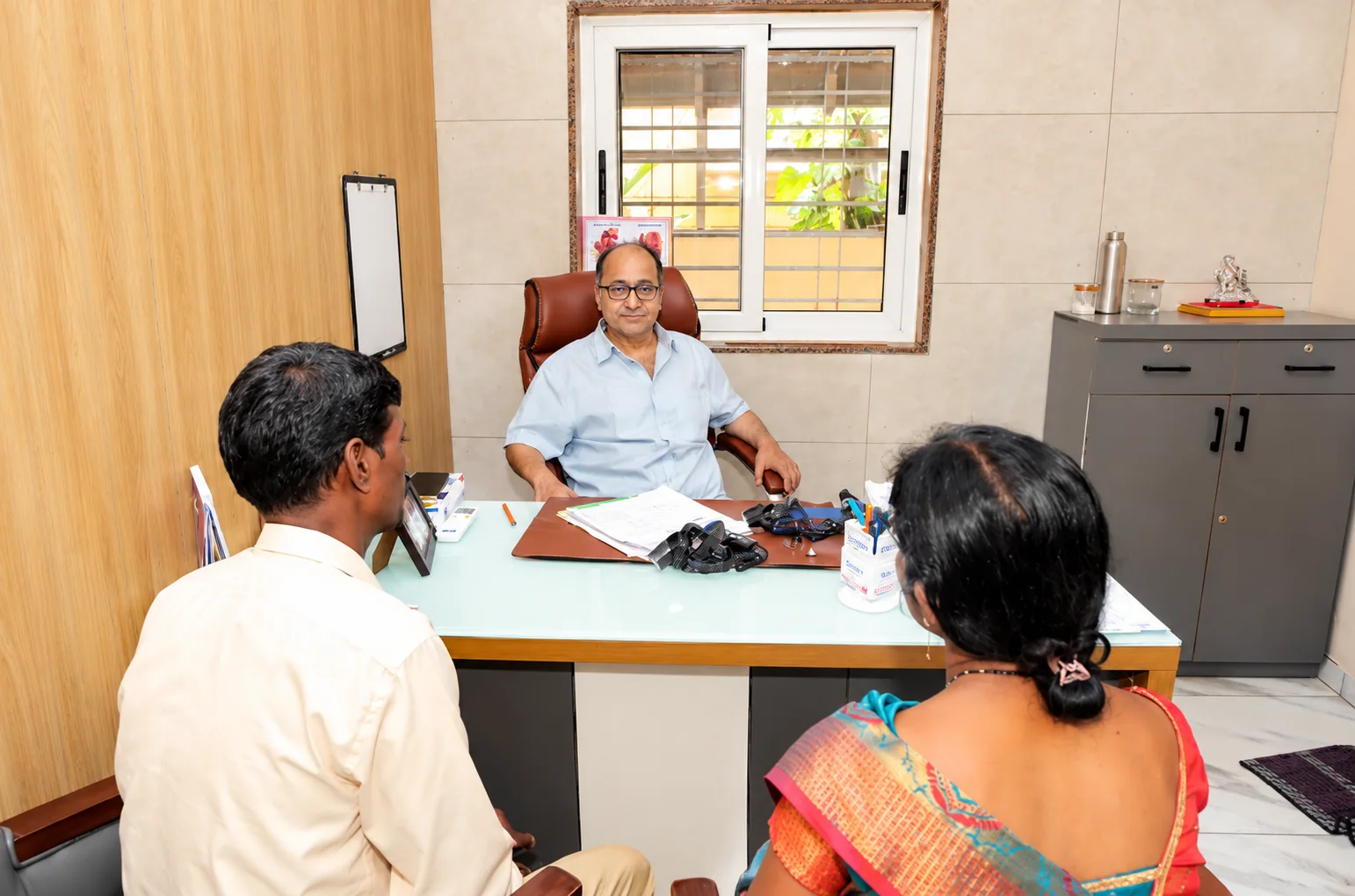
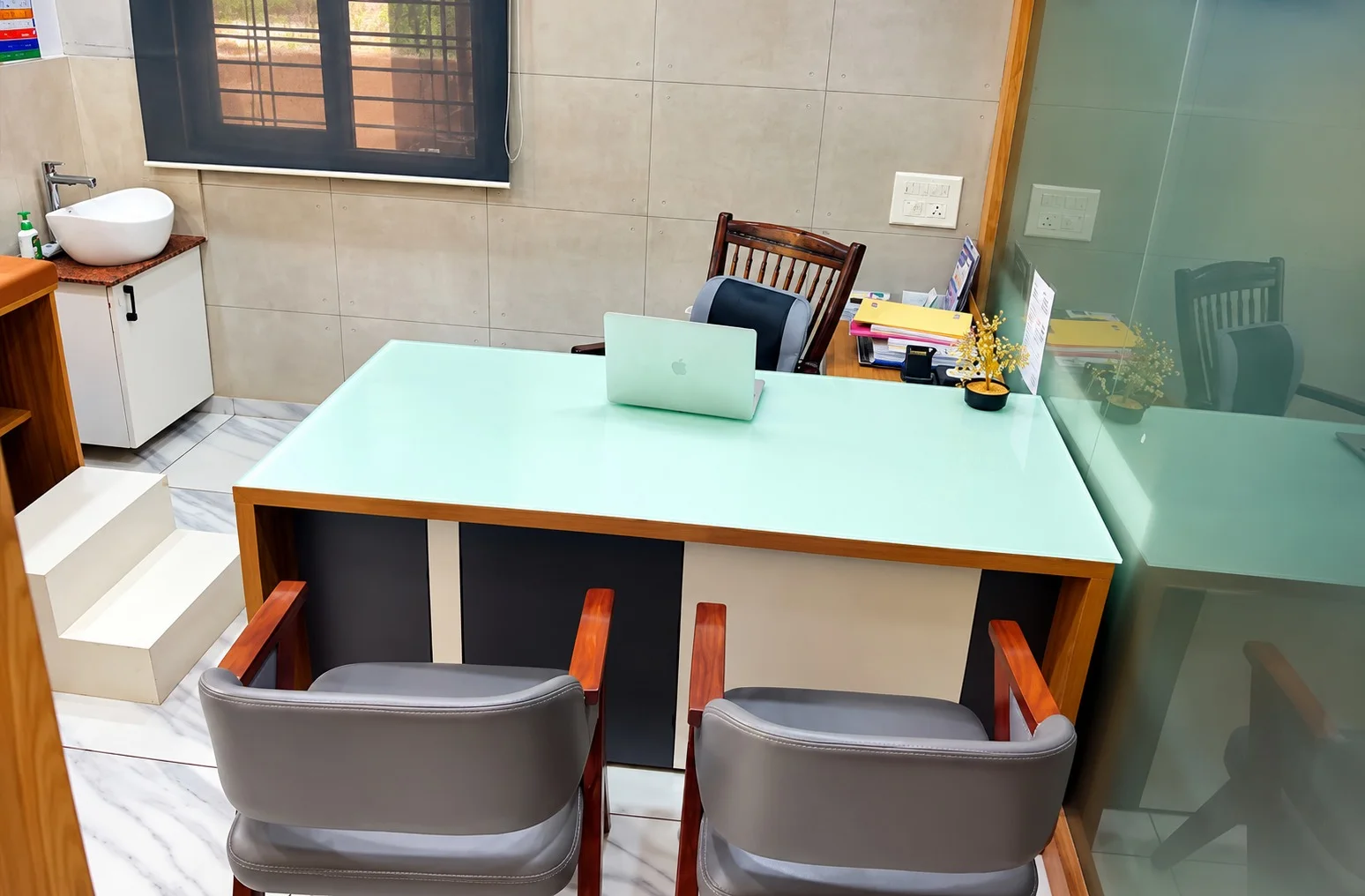
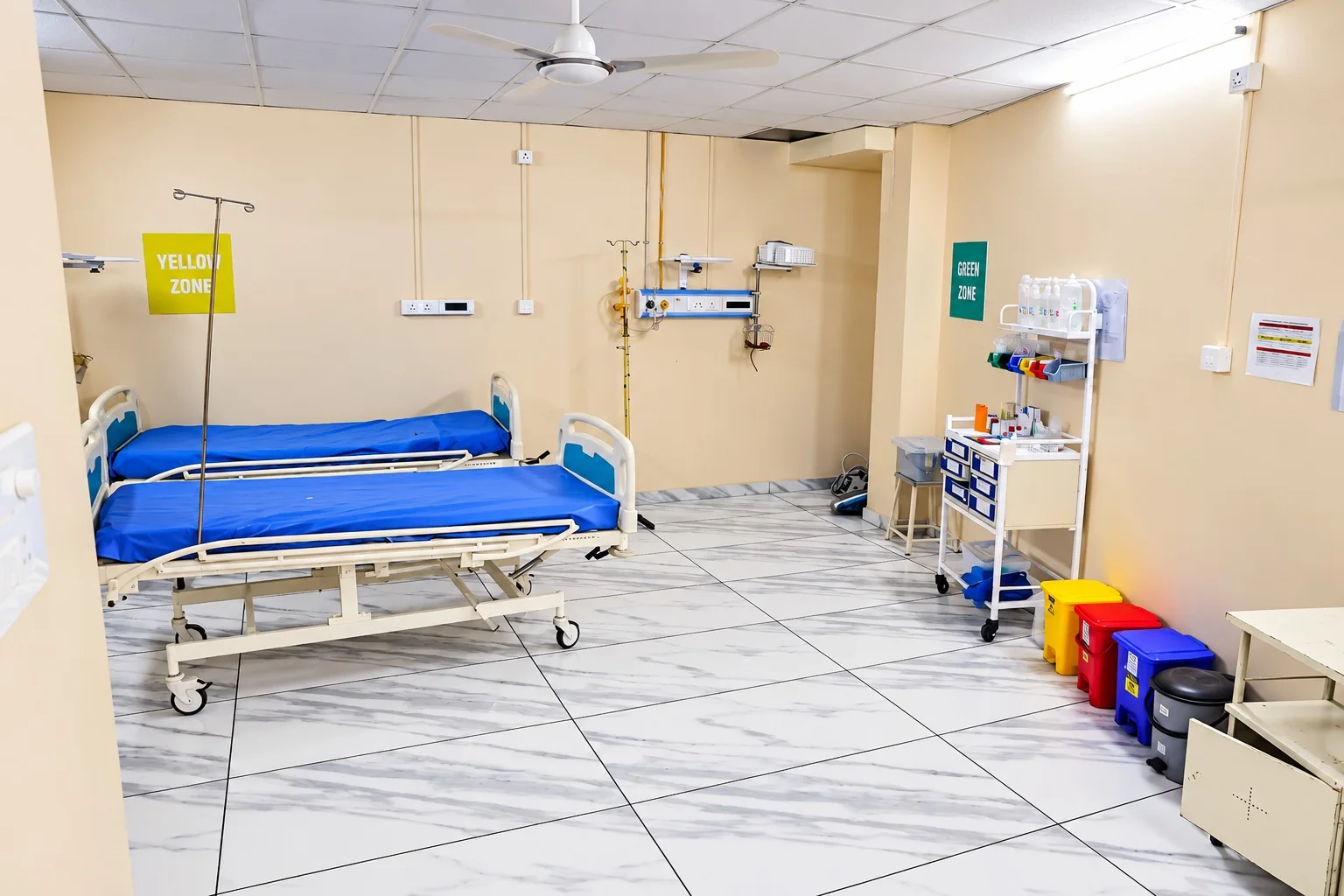
Hospital photograph. Specific care and equipment depend on the service and clinical plan.
Service overview
Discuss your concern with the clinical team
The Orthopaedics & Joint Replacement department treats conditions of bones, joints, ligaments, muscles and the spine — from arthritis and back pain to fractures and sports injuries. For joints worn out by severe arthritis, knee and hip replacement evaluation is offered with honest advice on timing, implant choices and realistic outcomes. At Deccan Malti Hospital, Sangli, orthopaedic care emphasises correct diagnosis, conservative treatment where it works, and structured rehabilitation so that recovery continues well after the operation or injury has healed.
This educational page does not diagnose a condition or replace assessment and advice from a qualified clinician.
How the consultation may help
Joint pain has a way of shrinking life gradually. First the morning walk stops, then the staircase becomes a negotiation, then sitting on the floor — a part of daily Indian life — becomes impossible. Orthopaedic care aims to reverse that shrinkage, whether through medicines and physiotherapy or, when a joint is truly worn out, replacement surgery.
Not every painful joint needs replacement, and honest advice about timing matters. Surgery too early wastes years of a good implant; too late means years of unnecessary pain and deformity. Your consultation will give you a clear, individualised answer.
Fractures and injuries receive the same careful approach: correct alignment, stable fixation where needed, and physiotherapy that restores function — not just an X-ray that "looks fine".
Concerns that may be assessed
The examples below are general information, not a self-diagnosis checklist. A clinician decides what assessment is appropriate.
Knee Osteoarthritis
Wear-and-tear of the knee joint causing pain, stiffness and difficulty walking or climbing stairs. Graded treatment spans weight management, physiotherapy, medicines, injections and — for advanced disease — knee replacement.
A hot, red, swollen knee with fever needs same-day evaluation to rule out infection.
Hip Arthritis
Groin or buttock pain, stiffness and limping from hip joint wear. When walking distance and sleep are significantly affected despite conservative care, hip replacement is a reliable option.
Groin pain with inability to bear weight after a fall in the elderly may mean a hip fracture — seek urgent care.
Fractures & Trauma
Broken bones from falls, road accidents or sports. Treatment ranges from plaster casts to surgical fixation, guided by fracture pattern, age and activity needs.
Deformity, open wounds or numbness after injury need emergency care, not a wait-and-watch approach.
Sports & Ligament Injuries
Knee ligament tears (including ACL), meniscus injuries and shoulder dislocations. Many are treated arthroscopically; stable partial injuries may be managed with structured physiotherapy.
A knee that repeatedly "gives way" should be assessed before it damages the joint further.
Back & Neck Pain
Mechanical pain from posture, disc problems or age-related change. The large majority improves with physiotherapy and activity modification; surgery is reserved for specific nerve-related problems.
Back pain with leg weakness or bladder/bowel change is an emergency.
Frozen Shoulder & Shoulder Pain
Painful stiffness that develops gradually, common in diabetics. Treatment is a patient combination of medicines, stretching programmes and occasional interventions.
Shoulder pain with chest discomfort or sweating should first be evaluated for heart causes.
Osteoporosis
Silent thinning of bones that makes fractures likely after minor falls, especially in post-menopausal women. Diagnosed with bone density testing; treated with medicines, calcium/vitamin D and fall prevention.
A fracture from a simple fall is a signal to test bone strength, not just fix the fracture.
Symptoms to discuss
Describe what you notice, when it started, how it has changed and how it affects everyday activities. Seek urgent care for severe or sudden symptoms.
Difficulty climbing stairs, squatting or sitting cross-legged
A joint that locks, gives way or swells repeatedly
Limping or shortening of walking distance
Numbness or tingling radiating into an arm or leg
Deformity or inability to bear weight after an injury
Assessment and investigations
Orthopaedic diagnosis begins with examination: how you walk, the range of movement of the joint, points of tenderness and stability testing. This clinical picture determines which imaging, if any, is genuinely needed.
Weight-bearing X-rays are the workhorse for arthritis assessment; MRI answers questions about ligaments, menisci and soft tissue; CT helps in complex fractures; and bone density (DEXA) testing evaluates osteoporosis. Please confirm the availability of specific tests when booking.
Blood tests may be added when inflammatory arthritis, infection or metabolic bone disease is suspected.
Possible care options
Treatment follows a graded ladder. Step one for most conditions: activity modification, weight management, physiotherapy and medicines. Step two, for selected patients: targeted injections. Surgery is step three — recommended when the earlier steps genuinely cannot give you an acceptable quality of life.
When joint replacement is indicated, the discussion covers implant options, expected hospital stay, the rehabilitation timeline and realistic outcomes — most patients walk with support within days of a modern knee or hip replacement. Fracture surgery uses contemporary fixation methods aimed at early movement.
Rehabilitation is treated as half the treatment. Every surgical and fracture patient receives a physiotherapy plan, because the operation fixes the joint but therapy restores the person.
What to discuss with the team
Honest, graded advice — conservative care first, surgery when it genuinely helps
Knee and hip replacement evaluation with clear counselling on timing and outcomes
Rehabilitation-integrated care, not treatment that stops at the operation
Fracture care focused on restoring function, not just healing bone
Coordination with neurosurgery for spine problems needing combined input
A possible care pathway
Book an appointment
Online, phone or WhatsApp. Bring old X-rays and reports.
Examination & imaging
Clinical assessment plus weight-bearing X-rays or MRI where needed.
Graded treatment plan
Medicines, physiotherapy, injections or surgery — explained in order of what suits your stage.
Procedure if indicated
Replacement or fixation surgery with pre-op medical optimisation.
Rehabilitation & review
Structured physiotherapy and milestone-based follow-up until functional recovery.
Preparing for a visit
Previous X-rays, MRI films/discs and reports
List of current medicines — especially blood thinners and diabetes medicines
Recent blood sugar reports if diabetic
Details of past treatments tried — medicines, injections, physiotherapy
Insurance card and documents if planning to use cover
Comfortable clothing that allows examination of the affected joint
Follow-up and recovery
Recovery after joint replacement is a structured journey: standing and walking with support within days, stair training before discharge, then progressive strengthening over 6–12 weeks. Most patients return to routine daily activities within about three months, with continued improvement over the year.
After fractures, healing time varies by bone and age — from weeks for a wrist to months for a hip. Physiotherapy during and after healing prevents the stiffness that otherwise outlasts the fracture.
Follow-up visits track healing on examination and X-ray, adjust activity levels, and catch problems early. Skipping reviews is the most common cause of avoidable stiffness and prolonged pain.
Deciding whether joint replacement is appropriate
A joint replacement conversation usually considers pain, function, examination findings, imaging, previous care, general health and the person’s goals. A scan or X-ray alone does not determine whether surgery is right. Ask what evidence supports the recommendation and whether non-operative care or further assessment remains reasonable.
Talk about the activities that matter to you, such as walking, sleep, work or household tasks, and what improvement is realistic. Ask what the operation may not change, how long recovery could take, what risks are important for you and what alternatives exist. A decision should reflect both clinical advice and your preferences.
Planning before an operation
If surgery is planned, confirm the joint and side, the procedure name, the admission plan, the expected support needs and the pre-operative checks. Tell the team about medicines, allergies, prior operations, dental or skin infections, diabetes and other health conditions. Do not change medicines or begin exercises without the instructions from your care team.
Prepare practical questions about transport, stairs, help at home, equipment, wound care and the first follow-up. Ask who will provide rehabilitation and how to reach the team if you have a concern after discharge. Planning support in advance can reduce avoidable uncertainty, but the exact needs depend on the operation and person.
Rehabilitation and measuring progress
Rehabilitation is part of recovery planning, not an optional promise of a particular outcome. A therapist or clinician can explain safe movement, activity limits and how progress will be reviewed. Follow the individualized plan rather than exercises or weight-bearing advice from another person’s experience.
Ask what changes are expected at each follow-up and which symptoms should prompt earlier contact. Progress can vary and may be affected by health, the operation and recovery needs. If pain or function changes unexpectedly, tell the treating team so they can advise whether the plan should be reviewed.
Preparing your home and support network
Before a planned joint procedure, ask the care team what changes at home could make the first days safer. Stairs, bathroom access, pets, loose rugs and the location of everyday items may affect movement. Recommendations should match the procedure, your mobility and the home you actually use.
Arrange transport and ask whether another person should stay with you or help with meals and daily tasks. Confirm whether walking aids or other equipment are recommended and how to obtain them. Avoid buying or borrowing equipment based only on another patient’s experience.
Questions about implants and long-term review
Ask the surgeon what type of implant or material is planned, why it is suitable, and whether any alternatives are relevant. Discuss expected function, limitations, risks and how the result will be monitored. The details depend on the joint, the person and the operation.
Keep the operation and implant information with your medical records and share it with clinicians when relevant. Ask whether follow-up imaging or appointments are planned and what symptoms should prompt review. A successful recovery still needs the follow-up schedule recommended for your case.
Patient questions
Frequently asked questions about Joint Replacement
These general answers support a conversation with a qualified clinician; your care plan depends on your individual situation.
At what stage of knee arthritis should replacement be considered?
When pain significantly limits daily life — walking, sleep, stairs — despite a proper trial of medicines, weight management and physiotherapy, and X-rays show advanced joint damage. The decision balances your symptoms, age, activity goals and X-ray findings together.
How long does a knee replacement last?
Modern knee replacements commonly function well for 15–20 years or more. Longevity depends on activity levels, weight and bone quality. Your surgeon will discuss what this means for your age and lifestyle.
Will I be able to sit cross-legged or squat after knee replacement?
Deep squatting is generally discouraged after knee replacement to protect the implant. Many patients can sit cross-legged on a raised surface; low-floor activities should be discussed with your surgeon beforehand so expectations are realistic.
Is physiotherapy really necessary after a fracture heals?
Yes, in most cases. Bone heals in weeks, but muscles weaken and joints stiffen during immobilisation. Without guided rehabilitation, a "healed" fracture can leave lasting stiffness and weakness.
Do calcium tablets fix knee pain?
No. Calcium supplements address bone density, not joint surface wear. Knee pain from arthritis needs its own evaluation and graded treatment. Calcium is useful mainly when deficiency or osteoporosis is identified.
Are steroid injections in the knee safe?
When used selectively and infrequently for the right indications, they can provide meaningful relief. They are not a long-term solution for advanced arthritis, and repeated frequent injections are avoided. Your doctor will explain whether your stage of disease is likely to benefit.
Can osteoporosis be reversed?
Bone density can be improved and fracture risk substantially reduced with medicines, adequate calcium and vitamin D, exercise and fall prevention — but it requires long-term, consistent treatment with periodic monitoring.
I had a fall and my X-ray is normal, but pain persists. What now?
Some fractures and most soft-tissue injuries do not show on plain X-rays. Persistent pain after injury deserves re-examination; an MRI or repeat X-ray may be advised. Do not ignore pain that is not improving.
Is surgery safe for elderly patients?
Age alone is not the deciding factor — overall medical fitness is. With proper pre-operative evaluation of the heart, lungs and sugar control, and modern anaesthesia, elderly patients routinely undergo joint replacement and fracture surgery safely.
Videos & reels
Joint Replacement videos
Short videos shared by the hospital about this service.
▶
Videos coming soon
The hospital can add service-related YouTube or Instagram videos in the admin panel.
Videos are provided for general information. They do not replace medical advice, diagnosis or treatment.
Help us improve this page
Share feedback about this service information
Your message is sent privately to the hospital team and is not published as a review. Please do not include patient records, test results or other sensitive medical details.
For appointments, use the appointment form. For urgent medical help, call 112 or go to the nearest emergency department.
Related services
Explore related care
Neurosurgery
Specialist assessment of conditions affecting the brain, spine and nervous system.