Deccan Malti Hospital · Sangli

Pathology & Laboratory Services in Sangli

Laboratory investigations provide information that clinicians consider alongside symptoms and examination.

Appointments, clinician availability and the exact services offered should be confirmed with the hospital team.

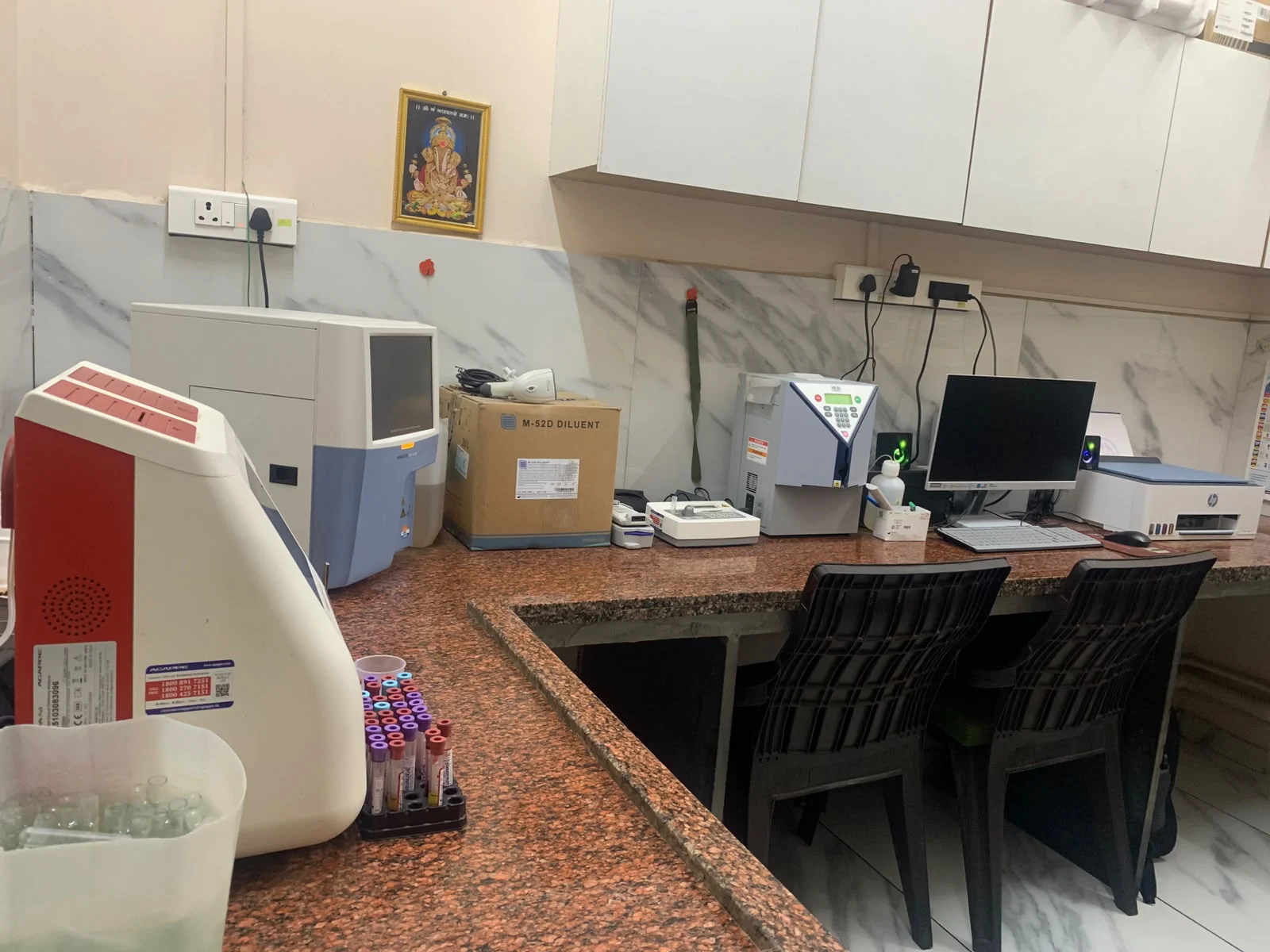
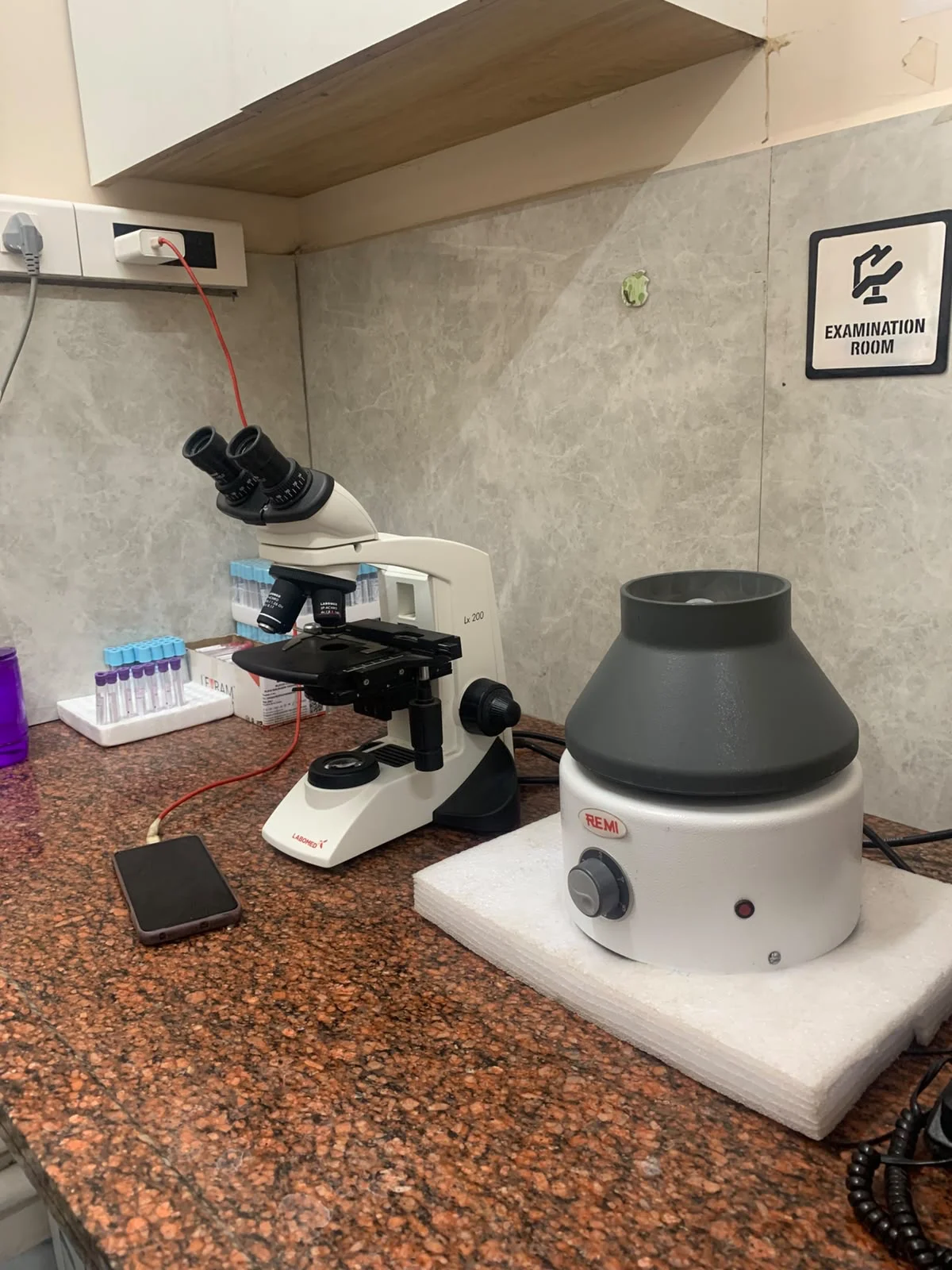
Laboratory testing analysers and sample workspace at Deccan Malti Hospital
Hospital photograph. Specific care and equipment depend on the service and clinical plan.
Patient information

About Pathology & Laboratory Services

Laboratory investigations provide information that clinicians consider alongside symptoms and examination.

This is general educational information. It does not diagnose, recommend a treatment for you, or confirm that every test or procedure described is available at this hospital.

How laboratory tests support care

Laboratory tests examine samples such as blood, urine or other body material to provide information that may help a clinician assess health, investigate symptoms or monitor a known condition. Each test is designed to answer a particular question. A test result is not a complete diagnosis and must be interpreted in clinical context.

The clinician chooses which tests are appropriate and explains why they are requested. More tests do not automatically create a clearer answer; the value depends on the question, timing and the person’s situation. Ask what the result may change and whether a repeat test or comparison with earlier results is expected.

Preparation and sample collection

Preparation varies by test. Some require no special steps; others may require fasting, a particular collection time or instructions about medicines. Follow the directions from the ordering clinician or laboratory. If you have diabetes, are pregnant, take regular medicines or are unsure whether to fast, ask before making any change.

Use the collection instructions provided for the sample. Correct labelling, timing and handling help reduce errors. Tell staff if you have difficulty providing a sample or need assistance. Do not submit a sample in an unapproved container or assume a sample from an earlier day is suitable unless the laboratory confirms it.

Reference ranges and results

A laboratory report may show a reference range or flag a result for review. Ranges can differ between laboratories and may be influenced by age, health, medicines, timing and the method used. A result outside the printed range does not always mean disease, and a result inside the range does not always rule out a problem.

The clinician who ordered the test should explain what the result means for you and whether any follow-up is needed. Ask how urgent the result is, whether it should be repeated, and what symptoms would require earlier attention. Avoid comparing your value with a friend’s report or changing treatment based on an online search.

Keeping your records organized

Keep copies of reports with the date, laboratory and reason the test was ordered. Bring relevant older results to follow-up visits, especially when a clinician is looking for change over time. If names or dates on a report appear incorrect, tell the laboratory or hospital promptly so the record can be checked.

Ask how and when results will be shared and who is responsible for reviewing them. If you have not received a result within the stated timeframe, contact the ordering clinic. Do not assume that no message means the result is normal; follow up using the official contact route.

Privacy and safe communication

Laboratory reports contain personal health information. Share them only through a channel approved by your care provider and avoid posting identifiable results in public groups or comments. When asking a question, include only the information the clinician needs and follow the provider’s privacy instructions.

The service listing on this website does not confirm which specific tests are available, how quickly results are issued or whether a particular sample can be processed. Confirm the test, preparation, cost and result pathway with the hospital before travelling or collecting a sample.

Questions to ask before and after testing

Before testing, ask what the test is for, whether preparation is needed, when and where to provide the sample, how medicines affect the plan and when results are expected. After testing, ask who will review the result, what it means, what is still uncertain and whether repeat testing or another step is planned.

If a result is unexpected, discuss it with the clinician rather than trying to diagnose yourself from a single number. Seek urgent care if you feel seriously unwell or have severe symptoms. For an immediate emergency in India, call 112 or go to the nearest emergency department.

Plan a visit

Bring the information that helps your clinician

Bring relevant reports, prescriptions, a current medicine and allergy list, and a short timeline of your concern. Confirm appointment availability, preparation instructions, service details and costs directly with the hospital.

  • Write down when the concern began and what has changed.
  • Bring previous reports and images when available.
  • Ask who will review test results and explain the next step.
  • Do not stop prescribed medicines unless your clinician advises it.

Understanding why a sample is requested

A laboratory test can support screening, diagnosis or monitoring, but its usefulness depends on the clinical question. Ask what the test is looking for and whether you need to fast, change timing or follow another preparation instruction. Do not assume the same preparation applies to every blood or urine test.

Tell the ordering clinician about medicines, supplements, recent illness and relevant health conditions. Some results can be affected by timing, hydration, food or treatment. Do not stop a medicine or change your routine unless the clinician or laboratory gives clear instructions.

Collection, identification and privacy

Staff should confirm your identity and label the sample appropriately. If a test requires a timed collection or a particular container, ask for the written steps and what to do if a collection is missed. Do not reuse a container or transfer a sample unless the laboratory instructs you to.

Ask how samples and reports are handled and who can access your results. Use the hospital’s confirmed channels to share reports; avoid posting personal health data publicly. If you believe a sample or name on a label is incorrect, tell staff before leaving.

Reference ranges and individual results

Laboratory reports may show a reference interval or flag a result as outside a range. That flag is not a diagnosis by itself, and a result within range does not always explain a symptom. The clinician interprets values in context, including your history, examination and other tests.

Ask which result needs attention, whether it should be repeated and what action is recommended. Different laboratories may use different methods and intervals, so compare reports carefully. If a result is urgent, the ordering team should advise you about the next step.

After the sample is collected

Before leaving, check when the result is expected and who will explain it. Some tests take longer or need a second review. Keep your receipt or reference information and confirm how to contact the laboratory or ordering clinic if the result is delayed.

Do not make treatment decisions from an isolated value or an internet search. If symptoms change while you wait, contact a qualified clinician. A laboratory report supports care; it does not replace a clinical assessment.

Preparing for repeat testing

A clinician may request repeat testing to confirm a result, follow a trend or check how a treatment is working. Ask whether the timing, location or preparation should match the earlier sample. Following the same instructions can make comparison more meaningful when the clinician recommends it.

Bring earlier reports and tell the clinician about any difference in medicines, illness or preparation. If you could not follow an instruction, explain what happened rather than cancelling or hiding it. The team can decide whether the result is still useful or should be rescheduled.

Questions that clarify your report

Useful questions include: what clinical question does the test address; is fasting required; when should the result arrive; which value matters most; and what should happen next? Ask for a plain-language explanation and a written summary if several tests were ordered.

If a result is marked critical or staff ask you to seek urgent care, follow that advice promptly. For a routine result, arrange the planned review rather than self-diagnosing. This page is educational and cannot interpret personal test results.

Fasting and timing: confirm rather than guess

Some tests require fasting or a specific collection time, while others do not. Ask the clinician or laboratory for the exact start and end time, whether water is allowed and how to handle regular medicines. Do not fast unnecessarily, especially if it could affect a health condition.

If a timed sample is requested, confirm the collection window and delivery instructions. Tell staff if the timing was missed or if you ate or drank when fasting was advised. They can decide whether to proceed or reschedule.

Understanding critical or unexpected results

A result may be outside a reference interval for many reasons and needs interpretation in context. If a clinician or laboratory calls about an urgent result, follow the instructions promptly and confirm who will arrange further care.

For a non-urgent unexpected result, ask what it means, whether it should be repeated and what follow-up is planned. Do not change medicine, diet or treatment based on a number without advice from the clinician responsible for your care.

Special handling and test limitations

Some samples need special containers, temperature handling or rapid delivery. Follow the printed instructions and ask for a replacement container if one is damaged or unclear. A sample collected incorrectly may not provide a reliable result.

A laboratory test can have limitations, including a result that is inconclusive or affected by timing. Ask whether another test is needed and what question it will answer. Keep the report with the date and laboratory details for future comparison.

If a sample cannot be collected as planned

If a sample is spilled, contaminated, collected late or placed in the wrong container, tell the laboratory. Do not relabel or transfer it unless staff instruct you. The team can decide whether it remains useful or needs to be collected again.

For home collection, read the instructions before starting and confirm how to store and deliver the specimen. If you have a question outside the collection hours, use the laboratory’s verified contact details rather than guessing.

Protecting the meaning of a test result

Tell the ordering clinician if preparation differed from instructions, such as eating when fasting was requested or collecting outside the planned time. This context can affect interpretation and may prevent an unnecessary repeat test.

Ask whether results should be compared with earlier tests from the same laboratory. If a value is unexpected, the clinician may consider repeating it or checking another measure. Do not alter treatment without a review of the complete clinical picture.


Patient questions

Frequently asked questions about Pathology & Laboratory Services

These general answers support a conversation with a qualified clinician; your care plan depends on your individual situation.

Do I need to fast for a blood test?

It depends on the test. Follow the instructions from the clinician or laboratory and ask before fasting if you have a health condition or take regular medicines.

Does a result outside the range mean I have a disease?

Not by itself. Results need to be interpreted with the test, reference range, symptoms, history and other findings.

Who will explain my report?

The clinician who ordered the test should explain the result and any next steps. Ask how and when the result will be reviewed.

Should I stop medicines before testing?

Do not stop or change prescribed medicines unless the clinician gives specific instructions for that test.

What if I do not receive my report?

Contact the clinic or laboratory through its official channel and ask whether the result is ready and who will review it.

Videos & reels

Pathology & Laboratory Services videos

Short videos shared by the hospital about this service.

Videos are provided for general information. They do not replace medical advice, diagnosis or treatment.

Help us improve this page

Share feedback about this service information

Your message is sent privately to the hospital team and is not published as a review. Please do not include patient records, test results or other sensitive medical details.

For appointments, use the appointment form. For urgent medical help, call 112 or go to the nearest emergency department.

Provide an email or phone number so the team can respond if needed.

Related services

Explore related care

Deccan Malti Hospital · Vishrambag, Sangli

Have a question about Pathology & Laboratory Services?

Contact the hospital team to confirm service availability and plan your visit.

Call WhatsApp Book