Deccan Malti Hospital · Sangli

NCV in Sangli

A nerve conduction study measures how signals travel through selected peripheral nerves.

Appointments, clinician availability and the exact services offered should be confirmed with the hospital team.

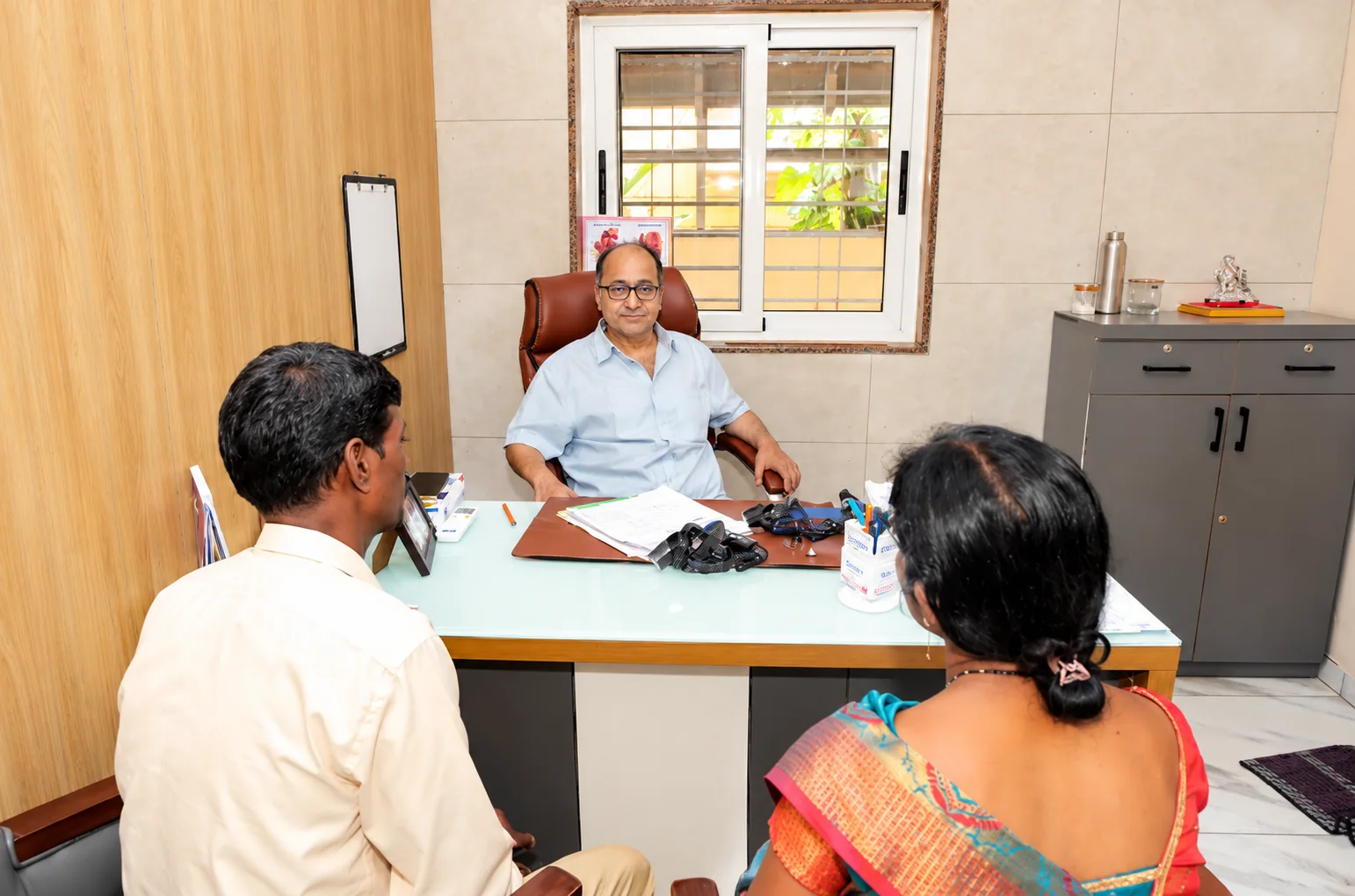
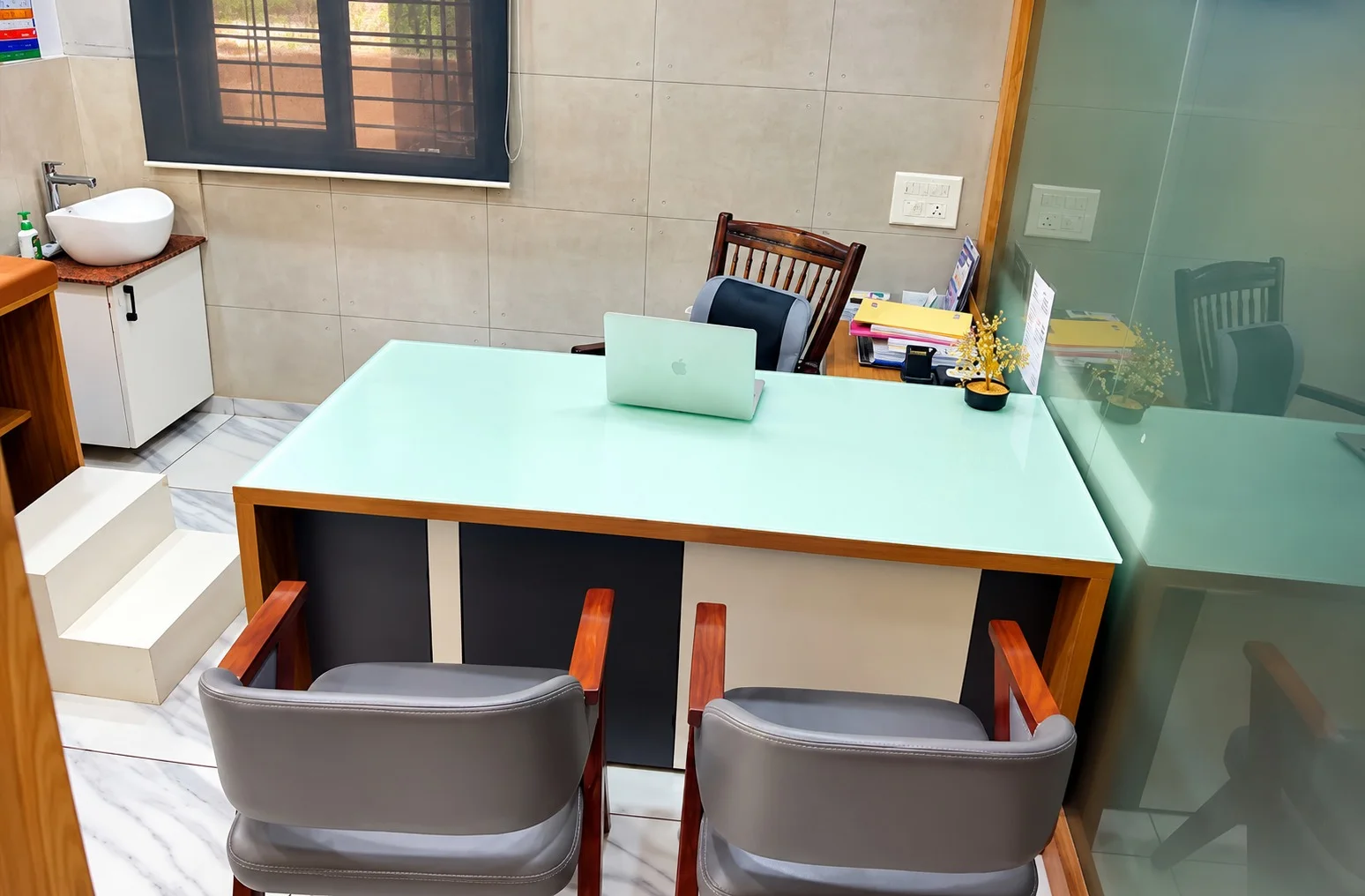
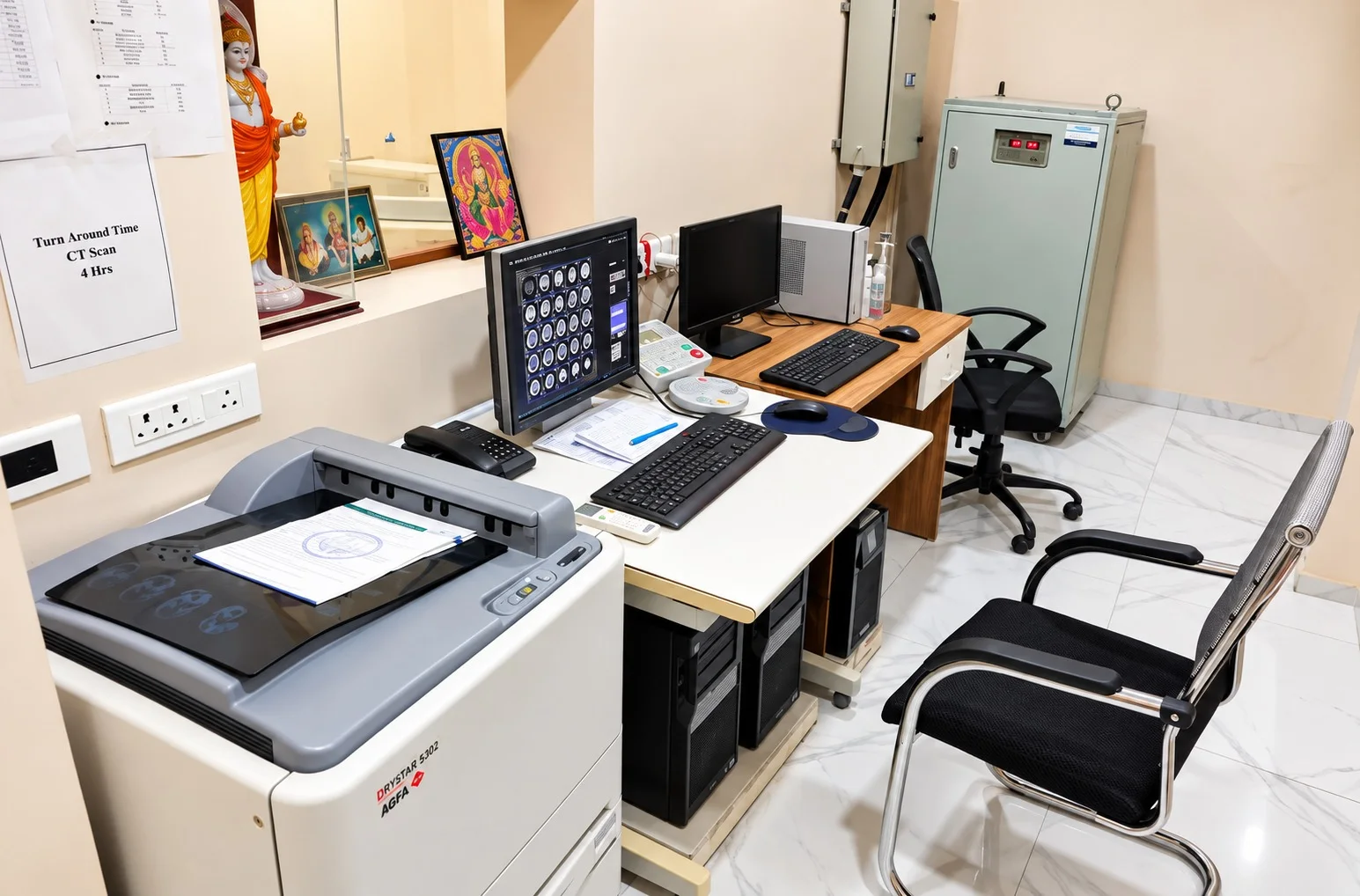
Diagnostic work area at Deccan Malti Hospital
Hospital photograph. Specific care and equipment depend on the service and clinical plan.
Patient information

About NCV

A nerve conduction study measures how signals travel through selected peripheral nerves.

This is general educational information. It does not diagnose, recommend a treatment for you, or confirm that every test or procedure described is available at this hospital.

What an NCV study measures

A nerve conduction velocity study measures how electrical signals travel along selected nerves. It may be requested when a clinician is assessing numbness, tingling, weakness or another concern involving nerves or muscles. The test examines particular nerves and does not provide a general check of every part of the nervous system.

An NCV study may be performed with other electrodiagnostic tests, such as electromyography, depending on the clinical question. The clinician chooses the study based on symptoms and examination. Ask what body area will be tested and which question the results may help answer.

Preparing for the test

Follow the instructions from the testing team. They may ask you to arrive with clean skin and avoid creams or lotions on the area being tested because these can interfere with sensors. Wear clothing that allows access to the relevant area while maintaining comfort and privacy.

Tell the team about medicines, blood-thinning treatment, implanted electrical devices, skin problems, allergies or any health concern that might affect the test. Do not stop a prescribed medicine unless the clinician specifically tells you to. If you are unsure about preparation, contact the service before the appointment.

What the procedure may feel like

Small recording electrodes are placed on the skin, and brief electrical pulses stimulate selected nerves. People may feel a tingling sensation or a brief muscle movement. The technologist can explain each step and help you remain comfortable. Tell staff if you have concerns or need a pause.

If an EMG is also planned, it uses a different part of the assessment and may involve a fine needle electrode in selected muscles. Not every NCV appointment includes EMG. Ask the clinician what has been requested, why both tests are being considered and what you can expect.

Interpreting the results

The study produces measurements that a qualified professional interprets with the symptoms, examination, medical history and other tests. A number or phrase in the report is not a diagnosis on its own. Ask the clinician to explain which findings are important, what they do and do not show, and whether further assessment is needed.

Some nerve problems can be intermittent or involve nerves not included in a particular test. A normal result may not answer every question. Keep the follow-up appointment, especially if symptoms continue or change, and discuss the next step rather than using the report to alter treatment independently.

Who may need an NCV study

A clinician may consider nerve testing when the history and examination suggest that measuring nerve signal conduction could add useful information. It can support assessment of certain nerve or muscle concerns, but it is not needed for every episode of tingling or pain.

The decision should account for the person’s symptoms, relevant health conditions and the question the test is expected to answer. Ask about alternatives, possible discomfort, timing and how the result could change the plan. Deccan Malti Hospital lists NCV in its catalogue; confirm test availability and booking details directly.

Follow-up and safety

After the test, ask whether you can resume usual activity and when the report will be reviewed. The team can explain any test-specific aftercare. If a symptom worsens while waiting, contact a clinician. Sudden weakness, facial droop, trouble speaking or a serious injury may need emergency assessment.

For an immediate emergency in India, call 112 or go to the nearest emergency department. An NCV appointment or website form is not an urgent triage service. Bring your report to the clinician who requested it so that the findings can be interpreted in context.

Plan a visit

Bring the information that helps your clinician

Bring relevant reports, prescriptions, a current medicine and allergy list, and a short timeline of your concern. Confirm appointment availability, preparation instructions, service details and costs directly with the hospital.

  • Write down when the concern began and what has changed.
  • Bring previous reports and images when available.
  • Ask who will review test results and explain the next step.
  • Do not stop prescribed medicines unless your clinician advises it.

Why nerve conduction testing is considered

Nerve conduction studies measure how electrical signals travel along selected nerves. They may help investigate numbness, tingling, weakness or other concerns, but the test does not assess every cause of those symptoms. A clinician interprets it alongside the examination and history.

Ask which nerves or body areas will be tested and what question the study may answer. Some people also have a needle EMG as part of the assessment; confirm whether that is planned and why. The exact tests depend on the referral and clinical concern.

Preparing for the appointment

Follow the instructions from the testing team. Clean, product-free skin can help sensors attach, and staff may ask about lotions or creams. Tell the team about pacemakers or other implanted electrical devices, bleeding concerns, medicines, skin conditions and any past reaction to similar testing.

Do not stop a prescribed medicine unless the ordering clinician instructs you to. Ask whether you should bring previous reports or wear clothing that allows access to the area being tested. If you have difficulty with movement or communication, let staff know in advance.

What the test may feel like

Small electrodes are placed on the skin and brief electrical impulses stimulate selected nerves. People may feel a tapping or tingling sensation. If needle EMG is included, a fine needle electrode is used to record muscle activity; the clinician should explain the steps and answer questions before starting.

Tell the clinician if you feel significant discomfort, become light-headed or need a pause. The number of nerves tested and appointment length vary. Ask whether you can resume usual activity afterward and whether any specific care is needed for the tested area.

Interpreting results with symptoms

A report describes findings in the nerves and muscles that were examined; it does not automatically explain every symptom. The clinician considers the pattern, examination, medical history and any other tests. Ask what the result supports, what remains uncertain and whether further assessment is recommended.

Keep a copy of the report and bring it to follow-up. Do not start, stop or change medicine based on a test result alone. If weakness or numbness is rapidly worsening, or a new severe symptom appears, contact a clinician promptly rather than waiting for a routine review.

Limits and alternatives

Nerve studies examine selected pathways and may not detect every condition or intermittent symptom. A clinician can explain the test’s limits and whether imaging, blood tests or another evaluation may be useful. Ask how the result could change the plan before undergoing a test.

If the study is normal but symptoms continue, discuss the next step rather than assuming the concern has been dismissed. Share any change in symptoms and ask whether follow-up is needed. A diagnosis should be made by a qualified clinician considering the complete picture.

Questions to ask before leaving

Confirm which test was performed, when the report will be ready, who will discuss it and whether any activity restrictions apply. Ask how to contact the team if discomfort continues or you notice a change after the appointment.

If you have an implanted device or a medical condition that could affect testing, make sure staff know before the study begins. This page describes general information; the clinician can explain what applies to your referral.

How temperature and positioning can affect testing

The testing team may need the skin and limb positioned in a particular way for accurate measurements. Follow instructions about keeping the area warm or accessible, and tell staff if you are uncomfortable. Do not use a heating device or apply a product unless the department advises it.

If a joint cannot be positioned because of pain or a prior injury, explain this before testing. The clinician can decide whether the study should be adjusted or whether another assessment is appropriate.

Discussing a result with your clinician

Ask how the findings relate to the location and pattern of your symptoms. The test may identify a nerve issue, but the clinician must connect it to the history and examination. Some results need comparison with imaging or laboratory tests.

If the report is normal but symptoms continue, ask what explanations remain and whether follow-up is needed. If weakness is rapidly progressing or you develop a sudden severe symptom, seek prompt medical assessment rather than waiting for a scheduled review.

Comfort and consent during the procedure

The team should explain each part of the study and ask before proceeding. You can ask questions, request a pause or tell staff if you feel unwell. If you have concerns about the needle portion of an EMG, clarify whether it is included and what alternatives or adjustments may be considered.

After testing, ask whether any temporary soreness is expected and whom to contact if it does not settle. Follow any written advice. This general page cannot predict how a particular person will experience the test.

Sharing relevant health and work history

Tell the clinician where symptoms occur and whether they are related to repetitive tasks, an injury, a health condition or a recent change. Mention which fingers, hand, foot or limb are affected and whether symptoms are constant or intermittent.

Bring relevant reports and tell staff about implanted devices, skin conditions or medicines that may affect the assessment. This information helps the clinician plan the study and interpret findings without assuming a single cause.

After the test and before follow-up

Ask whether any temporary tenderness is expected and whether you can return to normal activities. If discomfort persists or a new symptom appears, contact the testing team or your clinician for advice.

Before leaving, confirm who will explain the report and how it will be shared with the referring clinician. Keep the appointment even if the test itself was brief. A clinical discussion is needed to connect the results to your symptoms.


Patient questions

Frequently asked questions about NCV

These general answers support a conversation with a qualified clinician; your care plan depends on your individual situation.

Is an NCV test the same as an EMG?

They are related but different tests. An NCV measures nerve signal conduction; an EMG assesses electrical activity in selected muscles. A clinician may request one or both.

Will the test be painful?

People may feel brief tingling or muscle movement during stimulation. Tell the technologist if you are uncomfortable or need an explanation or pause.

Should I stop my medicine?

Do not stop prescribed treatment unless the clinician or testing team gives you specific instructions.

Can I apply lotion before the test?

Follow the testing team’s instructions; they may ask you to avoid creams or lotions on the area being examined.

Does a normal result rule out every nerve problem?

No. The test assesses selected nerves and results must be considered with symptoms and examination. Ask the requesting clinician to interpret the report.

Videos & reels

NCV videos

Short videos shared by the hospital about this service.

Videos coming soon

The hospital can add service-related YouTube or Instagram videos in the admin panel.

Videos are provided for general information. They do not replace medical advice, diagnosis or treatment.

Help us improve this page

Share feedback about this service information

Your message is sent privately to the hospital team and is not published as a review. Please do not include patient records, test results or other sensitive medical details.

For appointments, use the appointment form. For urgent medical help, call 112 or go to the nearest emergency department.

Provide an email or phone number so the team can respond if needed.

Related services

Explore related care

Deccan Malti Hospital · Vishrambag, Sangli

Have a question about NCV?

Contact the hospital team to confirm service availability and plan your visit.

Call WhatsApp Book