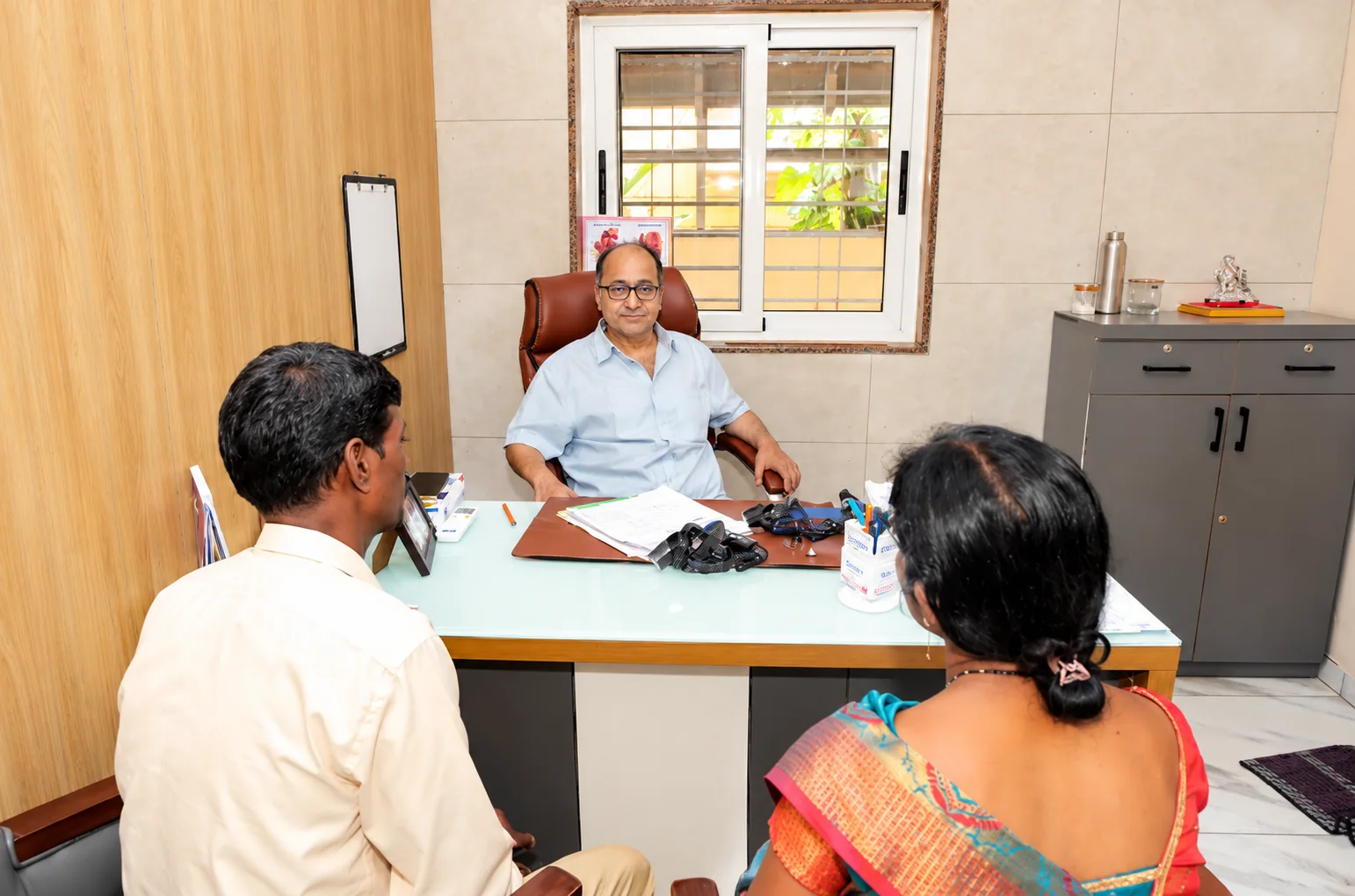
Explaining pain, injury and daily function
Describe where discomfort occurs, when it began, whether there was an injury and what makes it better or worse. Explain its effect on walking, reaching, sleep, work and daily tasks. If there was a fall or impact, tell the clinician what happened and whether swelling, bruising or difficulty bearing weight followed.
Bring previous X-rays, scans, treatment notes and a list of medicines if available. Mention prior operations, implants, allergies and other health conditions. A detailed history and examination help the clinician decide whether imaging, observation, rehabilitation or another step is appropriate.
What imaging can and cannot tell you
An X-ray or other scan can help answer a specific question, but an image is not a complete diagnosis. The finding must be considered with symptoms, examination and how the problem affects function. Ask what the test is looking for, whether it changes treatment and whether a different study is needed.
If the report contains technical language, ask the clinician to explain the important finding and its limits. Do not assume every visible change is the cause of pain. Keep the report and image access details so they can be reviewed at follow-up or shared with another clinician.
Considering non-operative and operative care
Depending on the condition, care may include activity changes, medicines, physiotherapy, support devices, injection or surgery. The appropriate options differ by diagnosis and health history. Ask what each option aims to improve, how long to assess its effect and what risks or limitations matter.
If an operation is discussed, ask why it is recommended now, what alternatives exist, what recovery involves and which outcomes are realistic. A decision should consider your goals and the clinician’s assessment. Surgery is not automatically the next step after an abnormal image or persistent pain.
Rehabilitation and safe movement
A rehabilitation plan may focus on movement, strength, balance or return to daily activity. Ask which exercises are suitable, how often to do them and what discomfort should lead you to stop and check with the clinician. Do not copy a routine designed for another injury or after a different operation.
If progress is slower than expected, tell the treating team what you can and cannot do. The plan may need review rather than simply increasing effort. Keep follow-up appointments and report new swelling, numbness, weakness or a sudden drop in function.
Preparing for an orthopaedic visit
Wear clothing that allows the affected area to be examined, if possible, and arrive with prior records. Write down your main questions and the activities you hope to return to. If pain affects travel or mobility, tell the hospital in advance so access needs can be discussed.
Before leaving, confirm the working diagnosis, what to do next, whether further imaging is planned and who will review the result. Ask how to contact the team if symptoms worsen. Sudden severe injury, deformity, loss of circulation or inability to move after trauma can need urgent assessment.
Keeping treatment goals practical
A realistic goal may involve improving comfort or function rather than returning every joint to the way it felt before. Ask how progress will be measured and which factors could affect it. Discuss work, sport, age, health conditions and the activities you value so the plan reflects your circumstances.
If several clinicians are involved, clarify who coordinates treatment and rehabilitation. Keep a record of recommendations and ask before changing braces, supports or medicines. For persistent concerns, a follow-up review can help determine whether the original plan remains appropriate.
Preparing for an injury assessment
For a recent injury, explain exactly how it happened, whether there was a fall or twist and whether you could use the affected area afterward. Mention swelling, bruising, numbness, weakness or a visible change. Do not force movement to demonstrate a symptom if it causes severe pain.
Bring prior imaging and tell the team about implants, allergies and medicines. If the injury is serious or the limb looks deformed, feels cold or numb, or cannot bear weight, seek urgent assessment rather than waiting for a routine appointment.
Discussing pain management and activity
Ask which activities are safe while the cause is being assessed and whether temporary support is recommended. Advice about rest, movement, ice or pain medicines can vary with the injury and other health conditions. Check before using a brace or medicine that was recommended for someone else.
Tell the clinician if pain medicine causes side effects or does not control symptoms. Ask what change should prompt an earlier review and how to contact the team. Sudden loss of function or rapidly increasing pain needs timely assessment.
Returning to work, sport and daily routines
Return to activity depends on the diagnosis, treatment and progress. Ask which milestones should be met before driving, lifting, sport or physically demanding work. A calendar date alone may not establish that a joint or bone is ready for a particular activity.
If you need a work or school note, ask the clinician what information can be provided. Discuss any practical pressure to return early so the plan can account for it. Follow-up can help adjust the activity plan as symptoms and function change.
Living with a long-term musculoskeletal concern
For a long-standing problem, explain what has changed and which activities are now difficult. Discuss the effect on sleep, work, mood and independence, not only the pain score. This context helps the clinician choose goals that are meaningful to you.
Ask how the plan will be reviewed and what would count as improvement. Some conditions need ongoing management rather than a single treatment. If symptoms progress or function falls, arrange reassessment instead of simply repeating an old plan.
Returning to activity after treatment
A return to sport, work or lifting should follow the advice for the specific diagnosis and treatment. Ask what movements are safe, whether a gradual increase is needed and which symptom means you should stop. A generic timeline cannot account for every injury or operation.
If you need a clearance letter or work modification, ask the treating clinician what can be documented. Tell the team about pressure to resume activity early so risks and alternatives can be discussed.