Deccan Malti Hospital · Sangli

Physiotherapy & Rehabilitation Centre in Sangli

Physiotherapy and rehabilitation support movement, function and recovery goals.

Appointments, clinician availability and the exact services offered should be confirmed with the hospital team.

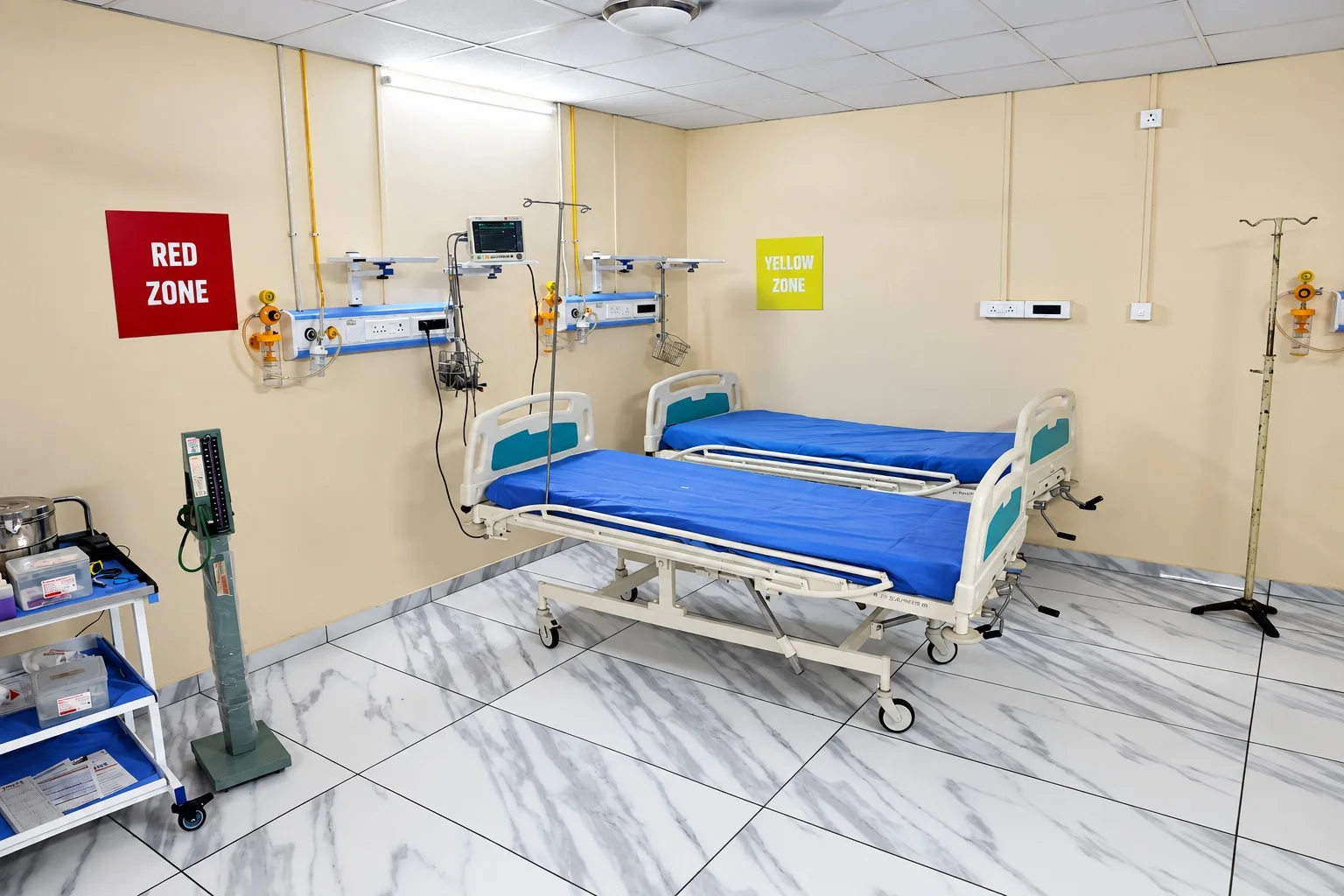
Hospital care area at Deccan Malti Hospital
Hospital photograph. Specific care and equipment depend on the service and clinical plan.
Patient information

About Physiotherapy & Rehabilitation Centre

Physiotherapy and rehabilitation support movement, function and recovery goals.

This is general educational information. It does not diagnose, recommend a treatment for you, or confirm that every test or procedure described is available at this hospital.

What rehabilitation is for

Rehabilitation aims to help a person improve or maintain function in daily life after an injury, illness, operation or change in ability. Physiotherapy may be one part of a broader rehabilitation plan. Goals differ: a person may be working toward safer movement, less limitation, greater confidence or participation in everyday activities.

The plan should be based on an assessment of the person’s needs, health, abilities and goals. Rehabilitation is not a fixed set of exercises for everyone. The clinician or therapist can explain which services are relevant, what progress may look like and how the plan will be reviewed.

What to expect at an assessment

A physiotherapy assessment may include questions about symptoms, health history, daily activities and what you hope to do more comfortably. The therapist may observe movement, balance, strength or a task relevant to the concern. Tell the therapist about pain, falls, dizziness, recent surgery and any activity that worsens symptoms.

Bring relevant reports, referral details, a medicine list and any mobility aid you normally use. Wear comfortable clothing that allows movement, if appropriate. Ask what the examination involves and tell the therapist if you need an adjustment, rest or support.

A plan built around safe participation

A plan may include guided movement, exercise, education, pacing, mobility practice or other approaches within the provider’s scope. The therapist should explain the purpose of each activity and how to perform it safely. Progress is reviewed and the plan can change when symptoms, ability or goals change.

Do not copy exercises from a video or another person’s programme without advice. An activity that is useful for one condition may be unsuitable for another. Ask what discomfort is expected, when to stop, and how to contact the team if symptoms increase during or after a session.

Recovery and daily activities

Rehabilitation often involves practice between appointments, but the amount and type should be agreed with the treating professional. Ask for a written plan and a clear demonstration when needed. If you have difficulty with stairs, transfers, walking or self-care, explain the specific task so the team can focus on practical goals.

Improvement can be gradual and may not be linear. Review progress with the therapist rather than judging it from a single session. Tell the team about barriers such as transport, work, caregiving or pain so the plan can be discussed realistically.

Safety and when to pause

Tell the therapist about new symptoms, fever, a recent injury, chest discomfort, shortness of breath, fainting, sudden weakness or a change after surgery. The team can decide whether to continue, modify an activity or ask for medical review. Do not push through severe or unusual symptoms because an exercise appeared in a general guide.

If a person develops severe chest pain, serious breathing difficulty, collapse, sudden facial droop or weakness, treat it as an emergency. Call 112 or go to the nearest emergency department. A physiotherapy appointment and website feedback form are not urgent-care channels.

Questions for your physiotherapist

Ask what the main goal is, which activities are suitable, how often to practice, what symptoms mean you should stop, how progress will be measured, and when the plan will be reviewed. Clarify whether you need help at home or a mobility aid and who to contact if your ability changes.

Deccan Malti Hospital lists Physiotherapy & Rehabilitation Centre in its service catalogue. Confirm current services, clinician availability, session arrangements and costs directly with the hospital. This page does not promise a particular therapy, recovery time or outcome.

Plan a visit

Bring the information that helps your clinician

Bring relevant reports, prescriptions, a current medicine and allergy list, and a short timeline of your concern. Confirm appointment availability, preparation instructions, service details and costs directly with the hospital.

  • Write down when the concern began and what has changed.
  • Bring previous reports and images when available.
  • Ask who will review test results and explain the next step.
  • Do not stop prescribed medicines unless your clinician advises it.

Setting goals that matter to daily life

Rehabilitation planning begins with what a person needs or wants to do, such as moving safely, returning to work or managing daily tasks. Tell the therapist which activities matter most, what currently limits them and what support is available at home. Goals can be reviewed as function changes.

The plan may involve movement practice, exercise, education, equipment or advice about adapting an activity. The right approach depends on the condition and assessment. Ask how progress will be measured and what a realistic first milestone looks like.

Following an individualized exercise plan

A therapist can demonstrate exercises and explain frequency, intensity and safe technique. Ask for written or accessible instructions and confirm which movements should stop if pain, dizziness or another symptom occurs. Do not copy exercises from social media or another patient’s programme.

If an exercise is difficult to perform at home, tell the therapist rather than forcing it. The plan may need modification for comfort, equipment, space or other health conditions. New severe pain, weakness, breathlessness or a sudden change should be discussed promptly.

Rehabilitation after an injury or operation

The timing of rehabilitation after injury or surgery depends on the diagnosis, procedure and clinician’s instructions. Ask when movement can begin, whether there are precautions and how rehabilitation should coordinate with the surgeon or other treating team. Do not progress weight-bearing or range of movement based on a generic schedule.

Bring discharge instructions and tell the therapist about wound concerns, medicines, pain changes and any restrictions. If the plan from two clinicians seems different, ask them to clarify before changing activity. A coordinated plan helps avoid conflicting advice.

Measuring progress and adapting the plan

Progress may be gradual and can vary from one person to another. The therapist may reassess movement, strength, balance, endurance or task performance and adjust the plan. Ask what improvement is expected and how long to try an approach before reviewing it.

If attendance, travel, cost or home responsibilities make sessions difficult, raise this early. The care team may discuss practical alternatives or a different schedule. Do not continue an activity that causes a new serious symptom without asking for clinical advice.

Home safety and support

Rehabilitation may include practical changes to reduce barriers at home, such as a clearer walking route or support during transfers. Tell the therapist about stairs, bathroom access, furniture, available help and any fall concerns. Recommendations should be based on an assessment rather than a generic checklist.

Ask whether a caregiver should learn a technique and what they should avoid doing. A support person can assist, but should not lift or move someone in a way that risks injury. For a sudden fall, severe pain or new loss of function, seek prompt medical assessment.

When rehabilitation needs clinical review

Contact the treating team if symptoms are worsening, you develop a new limitation or the plan is not achievable. The therapist can decide whether to adjust exercises or refer the concern back to the doctor. Rehabilitation is not a substitute for urgent assessment when a serious new symptom occurs.

Before finishing a course of care, ask how to maintain progress, which signs should prompt another review and whether a follow-up is recommended. A written home plan can support continuity, but should be updated if your health or function changes.

Adapting rehabilitation for pain and fatigue

Tell the therapist how pain, fatigue, sleep or another condition affects your ability to practise. The plan may need shorter sessions, rest breaks or a different activity. Do not push through a new severe symptom because an exercise schedule says to continue.

Ask how to distinguish expected effort from a warning sign in your specific programme. If symptoms continue after an exercise or are worse the next day, report the pattern. The therapist can decide whether to adjust intensity or request medical review.

Using equipment safely

If a cane, walker, brace or other equipment is recommended, ask the therapist to check the fit and show how to use it. The wrong height or technique can make movement less safe. Bring the equipment to follow-up if you are unsure whether it still fits.

Ask how to manage stairs, uneven surfaces and transfers. A caregiver should learn the technique from a qualified professional rather than lifting or pulling without instruction. Report any near-fall or equipment problem promptly.

Building a sustainable home routine

Ask which exercises are essential, how to fit them into your day and what to do if you miss a session. A shorter routine that follows professional advice may be easier to maintain than an unrealistic schedule. Do not add extra repetitions without discussing the plan.

Review progress with the therapist and update the goals when daily function changes. If you stop attending, ask whether a home plan or later review is appropriate. Rehabilitation should remain connected to the person’s current needs and safety.

Involving family or caregivers safely

A caregiver may help with reminders, transport or a home exercise routine if the patient wants that support. Ask the therapist to demonstrate any assistance technique. Caregivers should not lift, pull or move someone in a way that risks injury.

Agree on which activities the patient can do independently and when help is needed. Respect the patient’s preferences and privacy. Tell the therapist if the available support changes so the plan can be adjusted.

Planning a return to school, work or sport

Discuss the physical demands of work, school, sport and travel with the therapist. A graded return may be safer than resuming every activity at once, but the pace should be based on the condition and assessment.

Ask whether temporary adjustments, rest periods or equipment are recommended. If symptoms increase after returning, record what activity preceded the change and contact the care team. Do not treat pain as a competition or push through a warning sign.


Patient questions

Frequently asked questions about Physiotherapy & Rehabilitation Centre

These general answers support a conversation with a qualified clinician; your care plan depends on your individual situation.

Will physiotherapy always involve exercise?

The plan depends on the person and concern. A therapist explains which approaches are suitable and what each is intended to support.

Can I use exercises from an online video?

Ask a qualified therapist whether they are appropriate for your condition. Do not continue an activity that causes severe or unusual symptoms.

How long will rehabilitation take?

Timing varies with the condition, health, goals and response to care. Ask the therapist how progress will be reviewed for your plan.

What should I bring?

Bring relevant reports, referral details, a medicine list and any mobility support you use. Wear comfortable clothing if movement assessment is planned.

What if pain increases during an exercise?

Pause and tell the therapist or treating clinician. They can decide whether the movement should be adjusted or reviewed.

Videos & reels

Physiotherapy & Rehabilitation Centre videos

Short videos shared by the hospital about this service.

Videos coming soon

The hospital can add service-related YouTube or Instagram videos in the admin panel.

Videos are provided for general information. They do not replace medical advice, diagnosis or treatment.

Help us improve this page

Share feedback about this service information

Your message is sent privately to the hospital team and is not published as a review. Please do not include patient records, test results or other sensitive medical details.

For appointments, use the appointment form. For urgent medical help, call 112 or go to the nearest emergency department.

Provide an email or phone number so the team can respond if needed.

Related services

Explore related care

Deccan Malti Hospital · Vishrambag, Sangli

Have a question about Physiotherapy & Rehabilitation Centre?

Contact the hospital team to confirm service availability and plan your visit.

Call WhatsApp Book