Deccan Malti Hospital · Sangli

EEG in Sangli

An electroencephalogram records electrical activity in the brain for clinical assessment.

Appointments, clinician availability and the exact services offered should be confirmed with the hospital team.

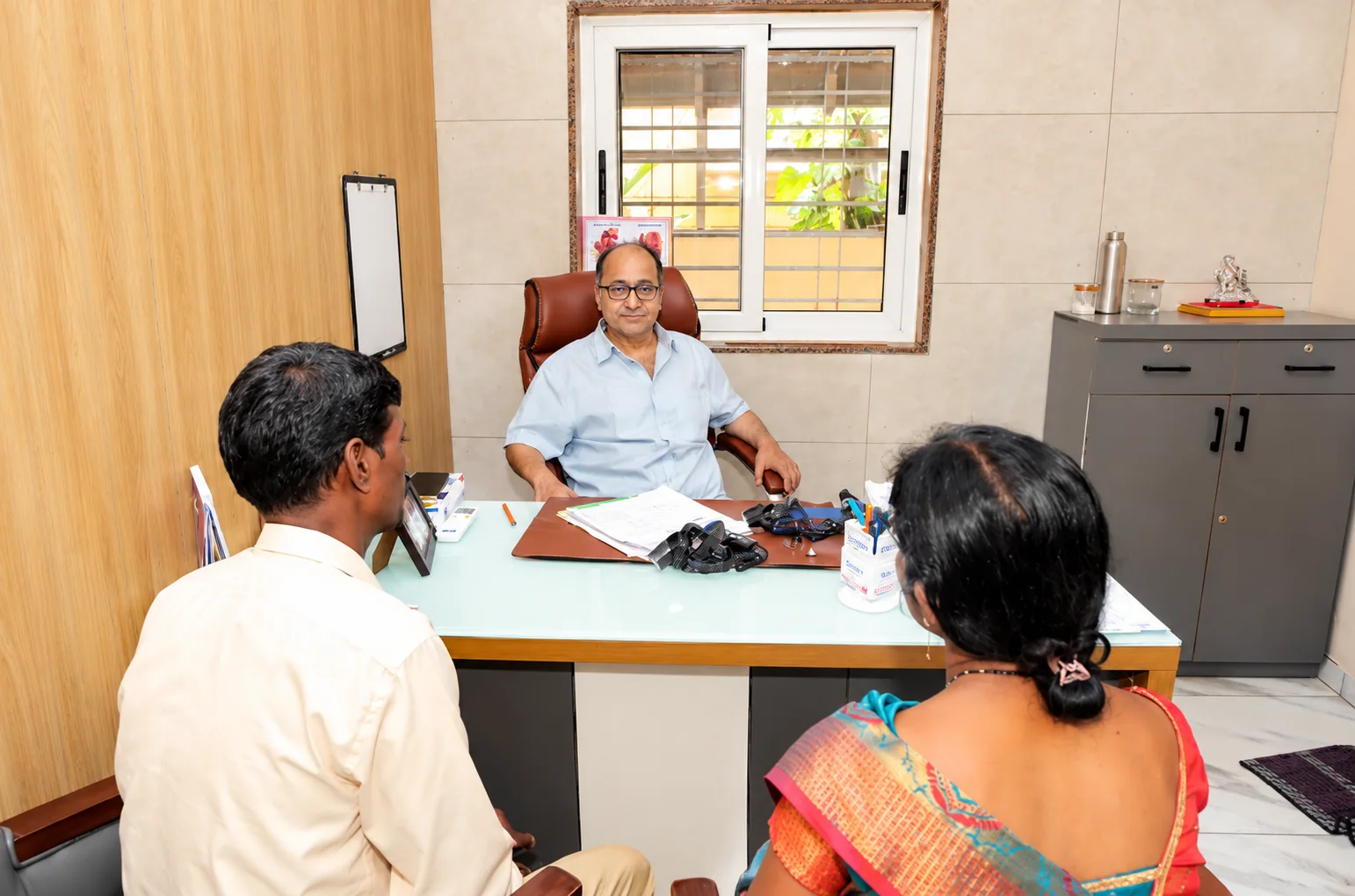
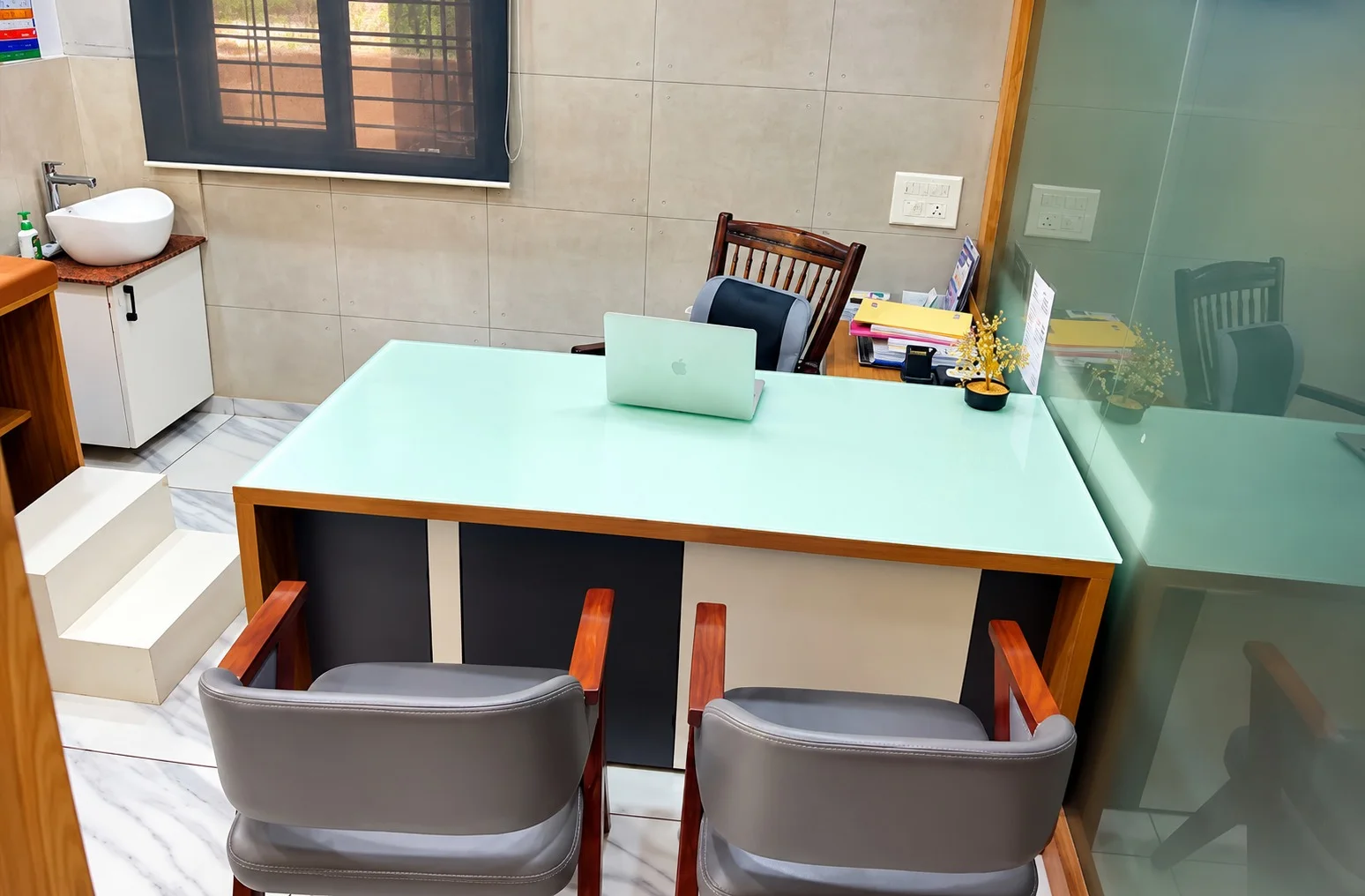
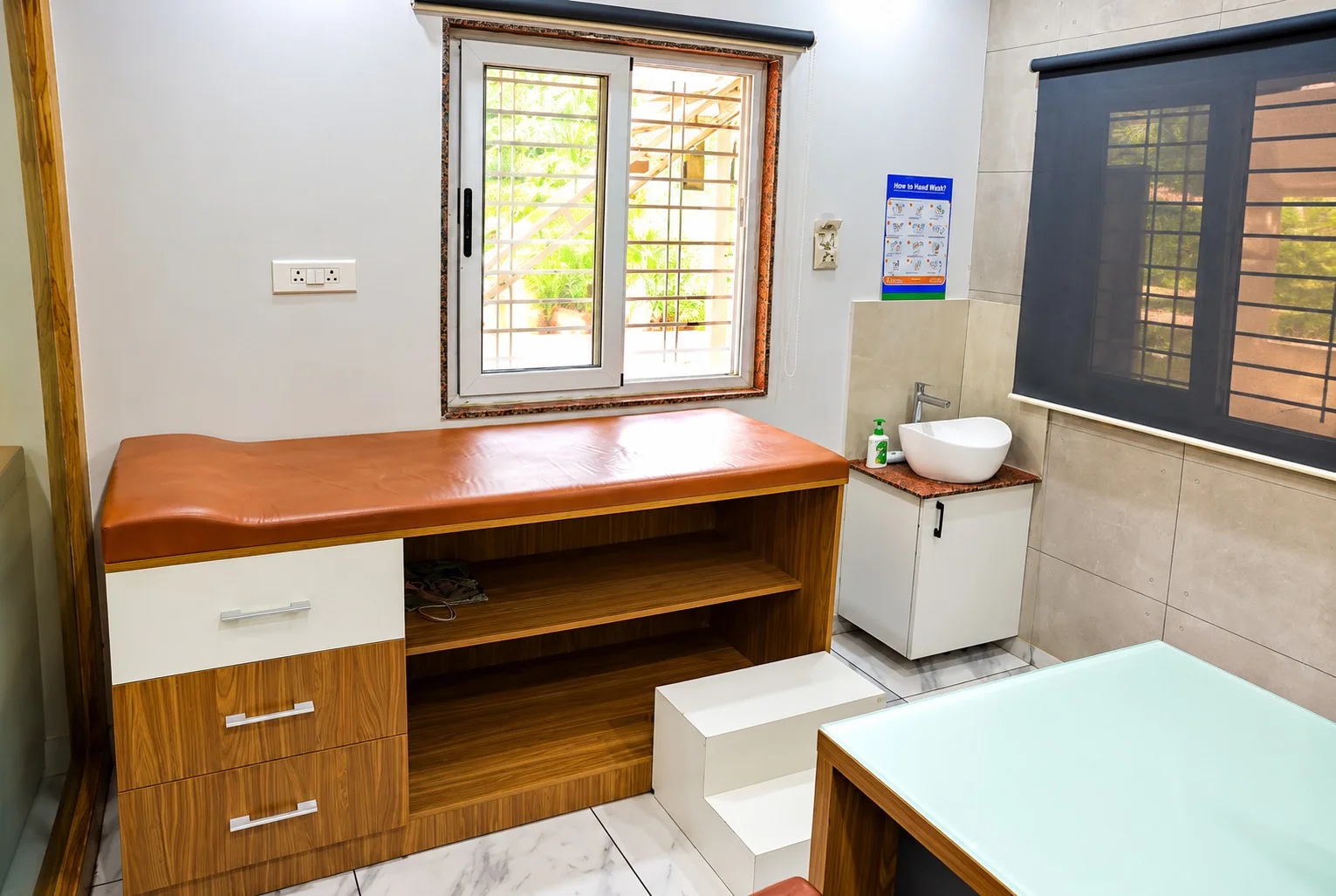
Consultation area at Deccan Malti Hospital
Hospital photograph. Specific care and equipment depend on the service and clinical plan.
Patient information

About EEG

An electroencephalogram records electrical activity in the brain for clinical assessment.

This is general educational information. It does not diagnose, recommend a treatment for you, or confirm that every test or procedure described is available at this hospital.

What an EEG measures

An electroencephalogram, or EEG, records electrical activity from the brain using sensors placed on the scalp. A clinician may request it as part of an assessment of episodes or symptoms affecting brain function, or to help monitor a known condition. The test records activity during the examination; it does not read thoughts or provide a complete picture of brain health.

An EEG result is interpreted with the reason for testing, the history and other clinical findings. A normal recording does not always rule out a condition, and an unusual pattern does not automatically explain every symptom. Ask the clinician what question the test is intended to help answer.

Before the appointment

Follow the preparation instructions provided by the testing team. They may include arriving with clean, dry hair and avoiding products that make sensors difficult to attach. Preparation differs by test type, so confirm what applies to your appointment rather than relying on a general list.

Do not stop seizure medicines or change a dose to influence the recording unless the clinician who arranged the EEG gives explicit instructions. Tell the team about medicines, sleep changes, scalp conditions, allergies to adhesive, pregnancy or other concerns. Bring appointment details and any relevant referral or medical information.

What happens during an EEG

A technologist places small sensors on the scalp and connects them to a recording system. The team may ask you to sit or lie comfortably, remain still, or perform simple tasks during the recording. Some EEG appointments use a longer recording or include sleep; the testing team explains the plan for your specific study.

The sensors record signals and do not deliver an electrical current to the brain. Tell staff if you feel uncomfortable, anxious or unwell. Ask how long the appointment may take and whether you can eat, drink and take usual medicines afterward. The exact experience varies with the type of EEG.

After the recording

When the sensors are removed, there may be residue in the hair from the material used to attach them. Ask the team about any aftercare. A specialist reviews the recording and prepares a report; the clinician who requested the test should explain what it means in your situation.

Ask when and how results will be discussed and what to do if symptoms continue before that appointment. Keep a note of any episodes, including date, duration and what a witness noticed, if relevant. Do not use an EEG report alone to start or stop treatment.

Limits and follow-up

Brain activity changes over time, and a short recording may not capture an event that does not occur during the test. The clinician may consider the result alongside other tests, a detailed history or follow-up monitoring. Ask what the next step is if the EEG does not provide a clear answer.

A seizure, collapse or sudden neurological change may require urgent assessment rather than waiting for an outpatient EEG. If someone is injured, remains unresponsive or has breathing difficulty, call emergency services. For an immediate emergency in India, call 112 or go to the nearest emergency department.

Questions for the testing team

Ask what type of EEG is planned, how long it will take, what preparation is needed, whether usual medicines should continue, when results will be reviewed and whom to contact with concerns. If you need support with communication, mobility or anxiety, tell the team before the appointment.

Deccan Malti Hospital lists EEG among its diagnostic services. Confirm current availability, appointment timing and result-review arrangements directly with the hospital. This page is general information and does not determine whether EEG is appropriate for a particular person.

Plan a visit

Bring the information that helps your clinician

Bring relevant reports, prescriptions, a current medicine and allergy list, and a short timeline of your concern. Confirm appointment availability, preparation instructions, service details and costs directly with the hospital.

  • Write down when the concern began and what has changed.
  • Bring previous reports and images when available.
  • Ask who will review test results and explain the next step.
  • Do not stop prescribed medicines unless your clinician advises it.

Why an EEG may be requested

An EEG records electrical activity from the brain using sensors placed on the scalp. A clinician may request it when evaluating certain episodes or neurological concerns. It is one part of an assessment and does not by itself establish the cause of every event.

Ask what question the test is intended to answer and how its result may influence the plan. The clinician may consider the symptom history, examination, imaging and other tests alongside the EEG. A normal recording does not always exclude an intermittent problem.

Preparing for the recording

Follow the instructions from the EEG team about hair, food, sleep and medicines. Preparation can differ by the type of recording. Do not stop anti-seizure or other prescribed medicine unless the ordering clinician gives that instruction, because stopping suddenly may be unsafe.

Tell staff about scalp conditions, hair products, mobility needs, pregnancy or any concern about the procedure. If a sleep-deprived recording is planned, confirm exactly how to prepare and whether you need someone to accompany you. Ask before using a product that may affect the sensors.

What happens during the test

The technologist places small sensors on the scalp and records while you rest or follow instructions. Depending on the study, the team may ask you to open or close your eyes, breathe in a particular way or respond to light. These steps are explained before they begin, and you can raise a concern.

The recording is generally not painful, although removing the sensors or cleaning paste from hair can be inconvenient. Tell staff if you feel unwell or need a break. The exact duration depends on whether a routine, sleep or longer recording has been requested.

Recording episodes and staying safe

If episodes happen outside the appointment, keep a factual record of timing, duration and observed features, and share it with the clinician. A witness may help describe what occurred. Do not deliberately trigger an episode or change sleep or medicine routines beyond the instructions provided by the care team.

Ask what precautions are appropriate while the cause of an episode is being assessed, including driving, bathing alone, heights or machinery where relevant. Advice depends on the individual situation and local rules. Seek emergency help for a prolonged or severe episode or an injury.

Understanding the EEG report

A specialist interprets the recording and prepares a report. Ask who will discuss the result and when to expect it. The report may need to be compared with the event history and other tests; an isolated phrase should not be used to diagnose or change medication.

If an episode occurs or changes while waiting for results, contact the clinician using the route provided. Sudden severe symptoms or an emergency should not wait for an EEG appointment or online response.

Questions to take to the EEG appointment

Ask how long the recording will take, what preparation applies, whether normal medicines should be continued and when the result will be reviewed. If you have a hair or scalp concern, tell the team before sensors are attached. A support person may be helpful if the instructions recommend accompaniment.

Before leaving, confirm whether you can resume normal activities and whom to contact if you feel unwell. Follow the written advice from the team. This information is educational and is not a substitute for neurological assessment.

Routine, sleep and longer recordings

EEG appointments can use different recording lengths and preparation methods. A routine recording, sleep recording or longer monitoring study may be requested for different reasons. Confirm the exact type of test, how long it may take and whether sleep or medicine instructions apply.

Do not assume the preparation for one EEG applies to another. Ask the department if you are uncertain about hair products, sleep, meals, transport or medicines. If you cannot follow a sleep instruction safely, tell the clinician before changing your routine.

Planning after the test

Ask whether you can drive, work or resume normal activity after the recording, especially if sleep deprivation or a medicine change was part of the plan. Arrange transport if the testing team recommends it. Follow any post-test instructions provided.

Confirm when the result will be reviewed and who will contact you. If a new event happens while waiting, record the details and contact the clinician. Use emergency services for a severe, prolonged or dangerous episode.

Why an EEG does not replace clinical review

The recording captures a limited period and selected brain activity. It may be normal between episodes, and an unusual pattern needs interpretation by a qualified clinician. The result should be considered with the history, examination and other investigations.

Ask what the report changes about your care and whether more testing or follow-up is needed. Do not use the result alone to change medicine, driving or safety decisions. Follow the individualized advice from the treating clinician.

Planning safety while episodes are assessed

Ask the clinician whether any temporary safety precautions apply while the cause of episodes is being investigated. Driving, swimming alone, bathing, working at height or using machinery may require individualized advice. Rules can vary, so do not rely on another person’s restrictions.

Tell the clinician about the activities you need to do and any risks at home or work. A practical plan can help protect safety while avoiding unnecessary restrictions. If an episode causes injury or a serious change, seek prompt care.

What to do if the result is delayed

EEG interpretation can take time because a specialist reviews the recording and clinical information. Ask the testing team for the expected timeframe and the contact route for a delayed report. Keep the appointment with the clinician who requested the test.

If symptoms change while waiting, contact the clinician and describe what happened. A test result is not a substitute for urgent assessment. Use emergency services for severe, prolonged or dangerous symptoms.


Patient questions

Frequently asked questions about EEG

These general answers support a conversation with a qualified clinician; your care plan depends on your individual situation.

Does an EEG send electricity into the brain?

No. The sensors record electrical activity from the scalp; they do not deliver electrical current to the brain.

Should I stop seizure medicine before the test?

Do not stop or change medicine unless the clinician who arranged the EEG gives you explicit instructions.

Can a normal EEG rule out a seizure disorder?

Not always. Results are interpreted with symptoms, history and other findings; ask the clinician what the result means for you.

How should I prepare my hair?

Follow the testing team’s instructions. They may ask for clean, dry hair without styling products so sensors can be attached.

When will I receive my results?

Ask the hospital when the report will be available and which clinician will explain it. The timing depends on local workflow.

Videos & reels

EEG videos

Short videos shared by the hospital about this service.

Videos coming soon

The hospital can add service-related YouTube or Instagram videos in the admin panel.

Videos are provided for general information. They do not replace medical advice, diagnosis or treatment.

Help us improve this page

Share feedback about this service information

Your message is sent privately to the hospital team and is not published as a review. Please do not include patient records, test results or other sensitive medical details.

For appointments, use the appointment form. For urgent medical help, call 112 or go to the nearest emergency department.

Provide an email or phone number so the team can respond if needed.

Related services

Explore related care

Deccan Malti Hospital · Vishrambag, Sangli

Have a question about EEG?

Contact the hospital team to confirm service availability and plan your visit.

Call WhatsApp Book