Appointments, clinician availability and the exact services offered should be confirmed with the hospital team.
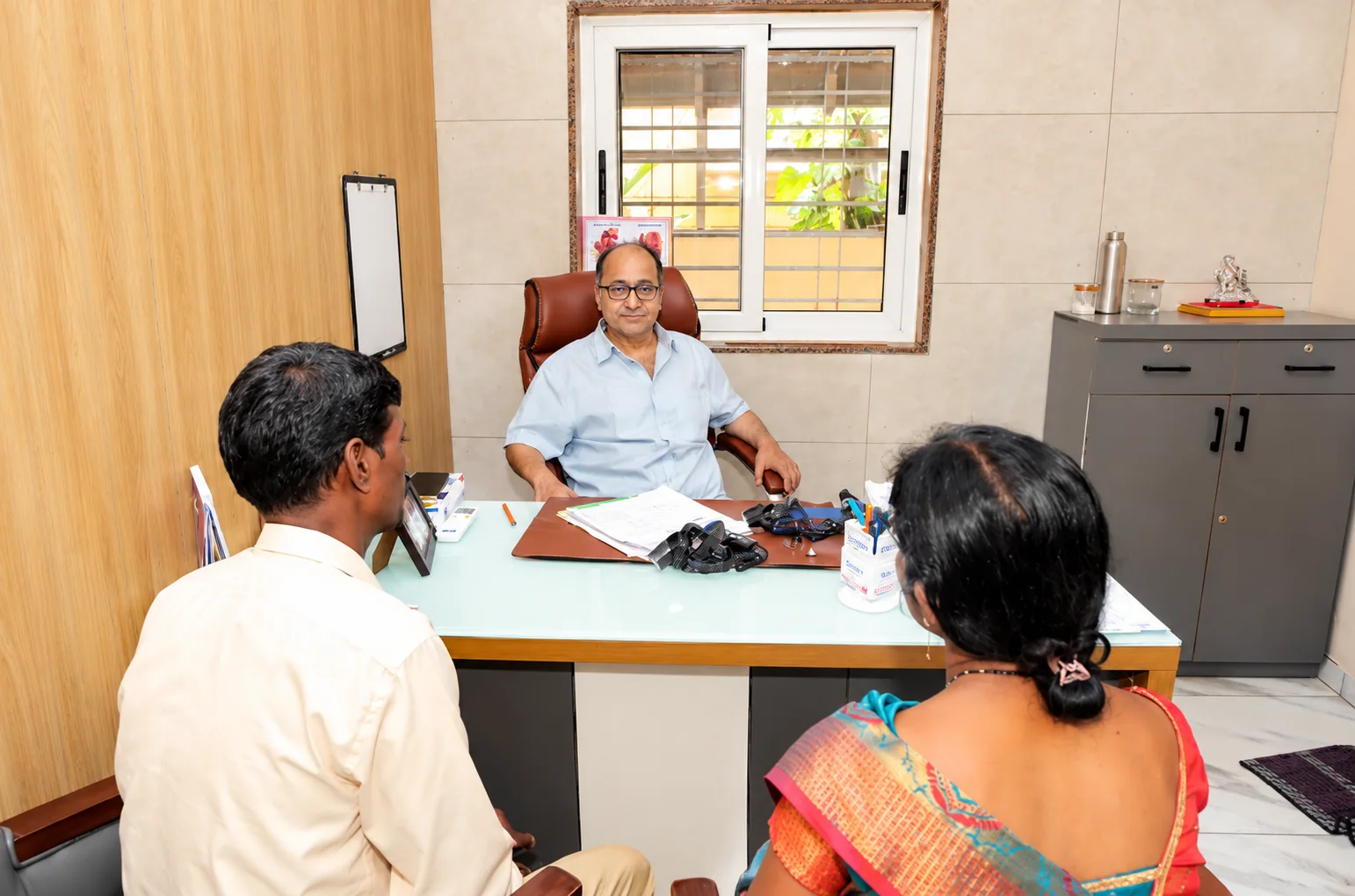
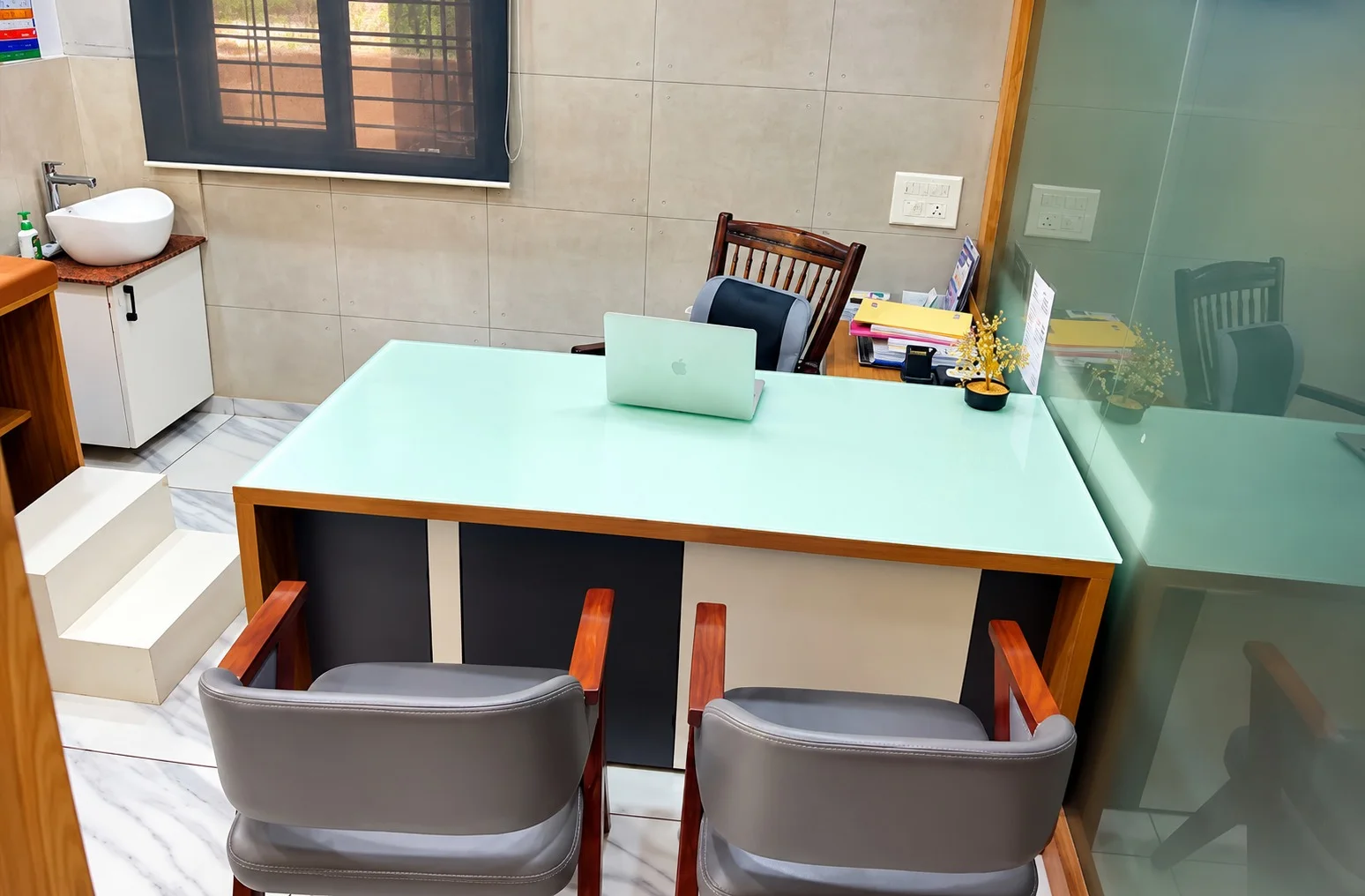
Hospital photograph. Specific care and equipment depend on the service and clinical plan.
Service overview
Discuss your concern with the clinical team
The Neurosurgery department at Deccan Malti Neuro & Superspeciality Hospital, Sangli provides specialist evaluation and surgical care for conditions affecting the brain, spine and peripheral nerves. Led by Dr. Rohan Patil, MS, M.Ch (Neurosurgery), the department focuses on careful diagnosis, honest counselling and surgery only when it is clearly indicated. Patients from Sangli district and surrounding regions can access advanced neurosurgical opinion close to home, supported by the hospital's 45-bedded inpatient facility and coordinated multi-speciality team.
This educational page does not diagnose a condition or replace assessment and advice from a qualified clinician.
How the consultation may help
Many people delay seeing a neurosurgeon because the word "surgery" sounds frightening. In reality, a neurosurgical consultation is first and foremost an evaluation. A large number of brain and spine conditions are managed without an operation — with medicines, physiotherapy, lifestyle changes and periodic monitoring. Surgery is recommended only when it offers a clear, explainable benefit.
At this department, your consultation begins with listening: your symptoms, how they started, how they affect your work, sleep and family life. The surgeon then reviews any scans you already have, performs a focused neurological examination, and explains the findings in simple Marathi, Hindi or English — whichever you are most comfortable with.
When surgery is advisable, you will be told why, what the alternatives are, what the realistic benefits and risks look like, and what recovery typically involves. The final decision is always yours, taken together with your family, without pressure.
Concerns that may be assessed
The examples below are general information, not a self-diagnosis checklist. A clinician decides what assessment is appropriate.
Brain Tumours
Abnormal growths within or around the brain. Evaluation involves neurological examination and MRI/CT imaging; management may include observation, surgery or referral for additional therapy depending on type and location.
New persistent headaches, seizures, or progressive weakness on one side need prompt evaluation.
Herniated (Slipped) Disc
When the cushion between spinal bones bulges and presses on a nerve, causing back or neck pain radiating to an arm or leg. Most cases improve with conservative care; surgery is considered for severe or progressive nerve compression.
Loss of bladder or bowel control with severe back pain is an emergency.
Spinal Stenosis
Narrowing of the spinal canal, usually with age, causing leg pain or heaviness while walking that eases on sitting. Graded treatment ranges from physiotherapy to decompression surgery.
Progressive leg weakness or numbness in the inner thighs needs urgent review.
Head Injury
Injuries from falls, two-wheeler accidents or assaults may cause concussion, skull fracture or bleeding inside the head. Even seemingly mild injuries can be significant in the elderly and those on blood thinners.
Vomiting, confusion, drowsiness or unequal pupils after a head injury — seek emergency care immediately.
Brain Haemorrhage
Bleeding within or around the brain, often related to high blood pressure, aneurysm or injury. Requires urgent assessment; some patients need surgical intervention, others intensive monitoring.
Sudden "worst-ever" headache, one-sided weakness or loss of consciousness is a medical emergency.
Trigeminal Neuralgia & Nerve Pain
Severe, electric-shock-like facial pain or nerve pain elsewhere. Initial treatment is medical; surgical options exist for selected patients whose pain remains uncontrolled.
Facial pain with weakness or numbness should be assessed to rule out other causes.
Hydrocephalus
Accumulation of fluid within the brain's cavities, seen in children and adults. Symptoms include headache, imbalance, memory decline or, in infants, an enlarging head. Treatment often involves a shunt or endoscopic procedure.
Drowsiness with worsening headache in a shunted patient needs immediate review.
Symptoms to discuss
Describe what you notice, when it started, how it has changed and how it affects everyday activities. Seek urgent care for severe or sudden symptoms.
Persistent or progressively worsening headache, especially with vomiting
A first seizure (fit) at any age
Weakness, numbness or clumsiness in an arm or leg
Back or neck pain radiating into a limb, with tingling or weakness
Difficulty walking, frequent falls or imbalance
Changes in vision, speech, memory or behaviour
Pain that does not improve with 4–6 weeks of standard treatment
Assessment and investigations
Diagnosis in neurosurgery begins with the consultation itself — the history of your symptoms and a structured neurological examination of strength, sensation, reflexes, balance and coordination often narrow down the problem before any scan is ordered.
When imaging is needed, the surgeon will explain which test answers the clinical question: MRI for most brain and soft-tissue spine problems, CT for trauma and bleeding, and X-rays for alignment and bony issues. Nerve conduction studies may be suggested for peripheral nerve problems. Please confirm the availability of specific tests with the hospital when booking.
Existing reports and scans are always reviewed first, so please carry them — repeat testing is avoided unless genuinely required.
Possible care options
Treatment follows a stepwise philosophy. Wherever a condition can be safely managed without surgery, that path is offered first: medication, physiotherapy guidance, activity modification and scheduled review.
When an operation is clinically indicated, the options are explained with their expected benefits, risks and recovery course. Procedures that may be undertaken, depending on the condition, include microsurgical removal of brain tumours, surgery for brain haemorrhage, discectomy and decompression for disc and stenosis problems, spinal stabilisation when instability is present, and shunt or endoscopic procedures for hydrocephalus.
Surgical decisions at this hospital are shared decisions. You will receive time to think, to ask questions, and to discuss with family. A second opinion is never discouraged — confidence in the plan matters.
What to discuss with the team
Specialist-led care — evaluation and surgery by an MS, M.Ch qualified neurosurgeon with 10+ years of experience
Conservative-first philosophy — surgery advised only when clearly indicated
Coordinated support from neurology, critical care and rehabilitation within one hospital
Advanced neurosurgical care in Sangli itself, avoiding repeated travel to metro cities
Clear communication in the language you understand, with time for your questions
A possible care pathway
Book an appointment
Request online, call, or WhatsApp. Share your reports in advance if possible.
Consultation & examination
Detailed history, neurological examination and review of existing scans.
Investigations if needed
MRI/CT or other tests advised only when they will change the plan.
Treatment planning
Options explained — conservative or surgical — with benefits, risks and costs discussed openly.
Treatment & recovery
If surgery is done, structured post-operative care, early mobilisation and planned follow-up.
Preparing for a visit
All previous consultation papers and discharge summaries
MRI/CT/X-ray films or discs with their reports
A written list of current medicines, including blood thinners
Blood sugar, pressure and other recent lab reports
Insurance card and policy documents, if applicable
A family member who can help describe the history
Follow-up and recovery
Recovery after neurosurgery varies widely — from a day or two after a straightforward spine procedure to a few weeks after major brain surgery. Your surgeon will outline what is realistic for your specific operation: expected hospital stay, when you can walk, return to work, and drive.
Follow-up visits are essential. Wound checks, suture removal, review scans and gradual return to activity are planned for you. Physiotherapy, when advised, is a genuine part of recovery rather than an optional extra.
Keep emergency contact numbers handy after discharge, and report fever, wound discharge, worsening headache, new weakness or drowsiness immediately.
Tracking changes in brain, spine or nerve symptoms
A short symptom record can help explain a changing problem. Note when an episode began, how long it lasted, what you were doing, what changed afterward and whether another person observed it. For pain, include the area, radiation, pattern and effect on sleep or movement. The purpose is to give the clinician a clearer timeline, not to label the cause yourself.
Mention changes in walking, hand use, sensation, memory, speech, vision, bladder or bowel function, and whether they were sudden or gradual. Bring the record to the visit and tell the clinician about a rapid change even if an older scan seemed reassuring. New severe symptoms should be assessed urgently rather than saved for a future appointment.
Making sense of recommendations and scan findings
Ask the clinician to identify the finding that matters most and explain how it relates to your symptoms. A scan may show an abnormality that is not causing the current concern, while some symptoms need evaluation even when an earlier image was not conclusive. Ask what other explanations are being considered and what finding would change the plan.
If several options are discussed, request a comparison in everyday language: the goal of each option, expected benefit, uncertainty, material risks, recovery needs and what could happen if you wait. For an operation, confirm the exact procedure and who will answer questions after discharge. You are entitled to ask for time to consider a major decision.
Coordinating specialist care and follow-up
Neurosurgical concerns may involve other clinical teams. Ask whether a neurologist, radiologist, rehabilitation professional or another specialist should also review the case, and which team coordinates the plan. Share copies of relevant reports with consent and keep a list of the clinicians you have seen and the advice each provided.
Before leaving, confirm the next appointment, pending tests, who will contact you with results, and the route for urgent questions. If a symptom worsens while waiting, do not rely on a web form. Use the contact instructions provided by the care team or emergency services when the change is sudden or severe.
Getting a second opinion or sharing records
For a complex or high-impact decision, you may ask whether another specialist should review the case. Find out which records are needed, whether current images can be shared and whether waiting for another opinion is medically reasonable. A second opinion should add context, not delay urgent assessment when symptoms are changing quickly.
Keep a concise folder with the referral, scan reports, image access details, medication list and written advice. Confirm that each receiving team has the correct report and understands the question being considered. Ask who is responsible for explaining differences between recommendations and coordinating the next step.
Patient questions
Frequently asked questions about Neurosurgery
These general answers support a conversation with a qualified clinician; your care plan depends on your individual situation.
Does every back pain need spine surgery?
No. The large majority of back pain improves with medicines, physiotherapy, posture and activity correction. Surgery is considered for specific problems — such as a disc pressing severely on a nerve with progressive weakness, or instability — when conservative treatment has not worked or the situation is unsafe to wait.
Is brain surgery always high risk?
Every operation carries risk, but modern neurosurgery uses microscopes, refined techniques and careful monitoring to keep risks as low as reasonably possible. Your surgeon will explain the specific risks and expected benefits of your operation so you can decide with full information.
How long will I stay in hospital after spine surgery?
It depends on the procedure. Many patients undergoing a single-level disc surgery walk the same or next day and go home in 2–4 days. Larger stabilisation surgeries need a longer stay. Your surgeon will give you a personalised estimate.
My MRI shows a disc bulge. Do I need an operation?
Not necessarily. Disc bulges are common on MRI, even in people with no symptoms. Treatment decisions are based on your symptoms and examination, not the scan alone. Many MRI "bulges" need no procedure at all.
What is the difference between a neurologist and a neurosurgeon?
A neurologist treats brain, spine and nerve conditions with medicines — for example epilepsy, migraine, stroke and movement disorders. A neurosurgeon treats conditions that may need an operation. At our hospital both specialities coordinate, so you see the right specialist for your problem.
Can I get a second opinion here even if I was advised surgery elsewhere?
Yes. Bring your reports and scans; the surgeon will review them independently and give you an honest opinion — whether that confirms surgery or suggests a non-surgical alternative.
Are blood thinner medicines a problem for surgery?
Blood thinners need to be managed carefully around any operation — usually paused for a defined period under medical guidance. Never stop them on your own; inform the surgeon about every medicine you take.
Will my hair be shaved for brain surgery?
Only as much as needed for the planned incision is trimmed, for infection safety. The team will explain this before the procedure.
How soon can I travel after neurosurgery?
Short road travel is usually possible soon after discharge for minor procedures; air travel and long journeys may need to wait a few weeks after major surgery. Confirm with your surgeon based on your specific operation.
Videos & reels
Neurosurgery videos
Short videos shared by the hospital about this service.
▶
Videos coming soon
The hospital can add service-related YouTube or Instagram videos in the admin panel.
Videos are provided for general information. They do not replace medical advice, diagnosis or treatment.
Help us improve this page
Share feedback about this service information
Your message is sent privately to the hospital team and is not published as a review. Please do not include patient records, test results or other sensitive medical details.
For appointments, use the appointment form. For urgent medical help, call 112 or go to the nearest emergency department.
Related services
Explore related care
Neurology
Assessment of conditions affecting the brain, spinal cord, nerves and muscles.