When a CT scan may be considered
CT uses X-rays and computer processing to create detailed cross-sectional images. A clinician may request it to answer a particular question about an internal body area, but the reason depends on the person’s symptoms and examination. Ask what the scan is intended to clarify and whether another test could answer the same question.
A CT result must be interpreted alongside your history and other findings. It may identify an issue that needs another test or clinical review, and it may not explain every symptom. If you have previous scans of the same area, tell the clinician so comparison can be considered.
Before your CT appointment
Follow the appointment instructions, which may differ depending on the body area and whether contrast is planned. Some people are asked to fast; others are not. Contact the radiology team if you are unsure, have diabetes or kidney problems, take regular medicines or cannot follow a preparation instruction.
Tell staff about pregnancy or possible pregnancy, allergies, prior contrast reactions, implants and recent illness. Bring earlier scan reports when available. If you have difficulty holding still, lying flat or communicating, tell the team in advance so they can discuss practical support.
Understanding radiation and contrast discussions
CT uses ionizing radiation. The ordering clinician weighs the potential benefit against exposure and chooses the study based on the clinical need. If you have questions about radiation, ask how the result may affect your care and whether another examination is suitable in your circumstances.
Some CT examinations use contrast to make certain structures easier to assess. Tell the team about kidney disease, previous reactions and medicines before contrast is given. Ask what sensations are expected and what to do if symptoms occur later. The radiology team can explain individual precautions.
During the scan and afterward
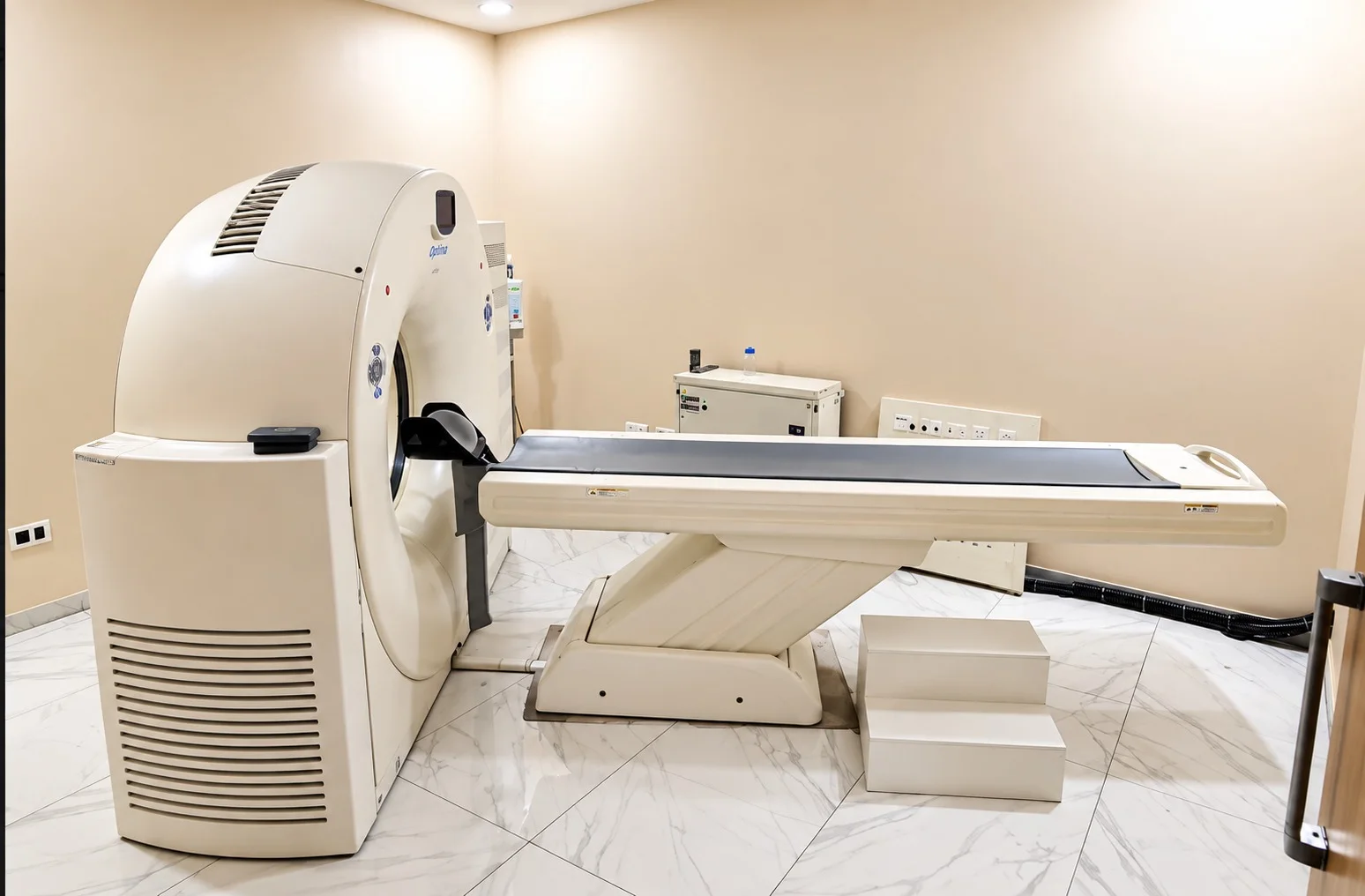
The radiographer will explain positioning and may ask you to remain still or briefly hold your breath. The exact process depends on the scan. Tell staff if you are uncomfortable or need help; do not try to move equipment yourself. The team may give instructions after the scan if contrast was used.
Ask when the report will be ready and who will discuss it with you. Unless staff advise otherwise, follow the specific post-scan instructions from your appointment. If you develop a concerning reaction after contrast or feel acutely unwell, seek medical advice promptly.
Making sense of the CT report
The radiologist’s report may include technical terms, incidental findings or recommendations for follow-up. The clinician who requested the scan can explain what matters for your symptoms and whether another step is needed. Do not use an isolated report phrase to start or stop treatment.
Keep the report and image access information with your other medical records. Ask how results are communicated and what to do if no one contacts you within the stated timeframe. If symptoms rapidly worsen, seek appropriate care instead of waiting for the scan discussion.
Questions that can clarify the plan
Useful questions include: what concern is the scan evaluating; is contrast planned; what preparation applies; who will interpret the result; and what happens if the scan is normal or inconclusive? If you are pregnant or may be pregnant, raise that before the scan begins.
Confirm which team should answer later questions and how to reach them. A CT appointment is a diagnostic step, not a complete consultation. The result needs clinical context and may be only one part of the care plan.
CT planning for children and pregnancy
Tell the ordering clinician and radiology team if the patient is a child or is pregnant or may be pregnant. They can consider the clinical need, the body area, the appropriate imaging method and any dose-reduction approach. Do not withhold this information out of concern that a necessary scan will automatically be cancelled.
For a child, ask whether a caregiver may stay nearby, how the child should prepare and whether stillness support is needed. Follow the department’s instructions and ask who will explain the result to the family.
If you have implants or difficulty lying still
Tell staff about implanted devices, prior operations, severe pain, claustrophobia or difficulty holding a position. CT is different from MRI, but the team still needs accurate information to plan safe positioning and choose suitable instructions.
Ask whether a support person can accompany you and what to do if you feel unwell during the scan. If you cannot lie flat or remain still, tell staff before imaging begins so they can discuss options with the referring clinician.
Checking a result that needs follow-up
If the report recommends another test or specialist review, ask which team will arrange it and when. A recommendation may be routine or time-sensitive; the clinician can explain the difference in your case. Keep the report and note who you spoke with.
If no one has contacted you within the expected timeframe, call the ordering clinic using a verified number. Do not assume a result is normal because you have not heard back. Seek urgent care if symptoms become severe or rapidly change.
Preparing for different CT body areas
Preparation can differ for a head, chest, abdomen or other CT examination. Some scans need no special preparation; others may involve fasting, contrast or timing instructions. Confirm the exact steps on your appointment information and call the department if anything is unclear.
Tell staff if you have diabetes, kidney disease, a prior contrast reaction, difficulty swallowing or a medicine schedule that conflicts with fasting. They can give instructions suited to the examination. Do not make a medication change without their advice.
After the report: who explains the next step?
The radiologist interprets the scan, while the clinician who requested it connects the result to your symptoms and care plan. Confirm who will contact you and when. If the report is delayed, contact the ordering clinic rather than assuming no news means no finding.
If the report recommends another test or referral, ask whether it is routine or time-sensitive and who will arrange it. Keep prior images available for comparison. Seek earlier clinical advice if your symptoms worsen while waiting.