Appointments, clinician availability and the exact services offered should be confirmed with the hospital team.
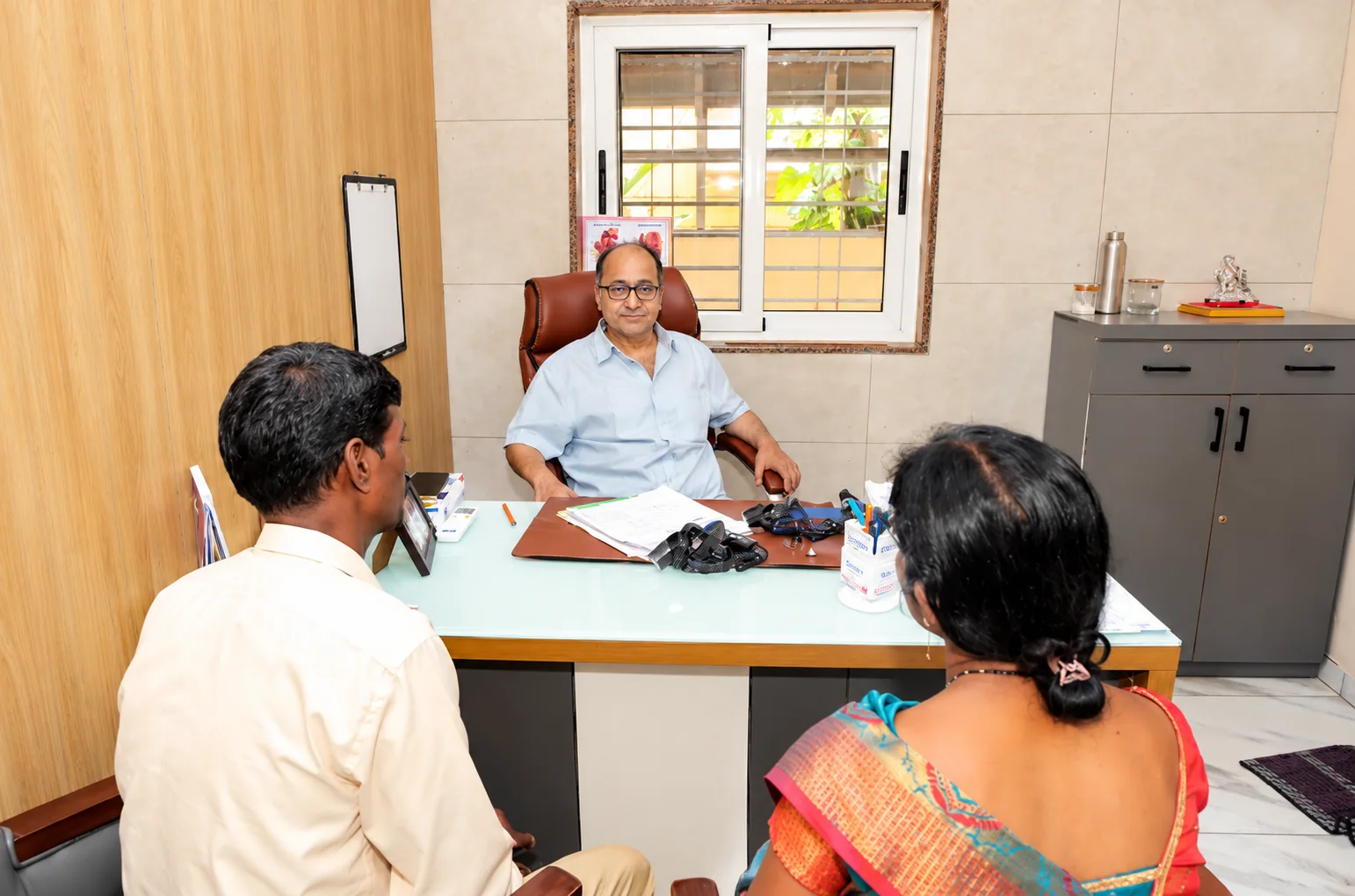
Hospital photograph. Specific care and equipment depend on the service and clinical plan.
Service overview
Discuss your concern with the clinical team
The Oncology department at Deccan Malti Hospital, Sangli provides cancer evaluation, diagnostic coordination and treatment support for patients and families facing a possible or confirmed cancer diagnosis. Cancer care is a journey involving surgery, medicines and sometimes radiation — often across more than one speciality. This department's role is to make that journey organised and humane: correct diagnosis, honest explanation of options and stage, coordinated treatment planning, symptom support and follow-up, close to home wherever safely possible.
This educational page does not diagnose a condition or replace assessment and advice from a qualified clinician.
How the consultation may help
A suspected cancer diagnosis brings fear before facts. The first need is not treatment but clarity: is it cancer, what type, what stage, and what are the realistic options? This department exists to answer those questions methodically and compassionately, so that decisions are made on facts rather than fear.
Cancer treatment today is rarely a single event. It is a sequence — biopsy and staging, then surgery, chemotherapy, radiation or targeted medicines in the combination appropriate to the specific cancer. Having a coordinating team that knows your case, arranges each step and watches the whole picture prevents the confusion and delays that fragmented care causes.
Equally important is what honest oncology does not do: it does not promise cures it cannot deliver, and it does not hide difficult truths. You will be told what is known, what is uncertain, and what each option realistically offers — including the option, sometimes right, of comfort-focused care.
Concerns that may be assessed
The examples below are general information, not a self-diagnosis checklist. A clinician decides what assessment is appropriate.
Breast Lumps & Breast Cancer
Evaluation of breast lumps with examination, imaging and biopsy. Confirmed cancers are staged and treated with surgery, medicines and radiation as appropriate — outcomes are best when caught early.
Any new breast lump, nipple discharge, skin dimpling or change needs prompt evaluation at any age.
Oral & Head-Neck Cancers
Ulcers, white or red patches, or lumps in the mouth and neck — strongly linked to tobacco in any form. Early evaluation of persistent mouth ulcers leads to early diagnosis.
A mouth ulcer not healing in 3 weeks, especially in a tobacco user, must be biopsied — do not wait.
Colorectal Cancer
Bleeding, changed bowel habits, anaemia or weight loss evaluated with colonoscopy and imaging. Treatment combines surgery with medicines based on stage.
Persistent change in bowel habit or bleeding after 45 needs colonoscopy evaluation.
Brain Tumours
Evaluated jointly with neurosurgery. After imaging and, where needed, biopsy or surgical removal, further treatment with radiation or medicines is coordinated as appropriate.
New persistent headaches with vomiting, seizures or one-sided weakness need prompt evaluation.
Blood Cancers
Leukaemias and lymphomas presenting as persistent fever, weight loss, lumps or abnormal blood counts are evaluated with marrow studies and specialised tests, with treatment coordinated with the appropriate centres.
Unexplained persistent fever, night sweats and weight loss together need investigation.
Palliative & Symptom Care
For advanced illness, care focuses on controlling pain and symptoms, supporting the family and preserving dignity — an active, valuable form of care, not "giving up".
Uncontrolled pain in advanced illness is treatable — ask for help rather than enduring it.
Symptoms to discuss
Describe what you notice, when it started, how it has changed and how it affects everyday activities. Seek urgent care for severe or sudden symptoms.
Any new lump — breast, neck, armpit, groin or elsewhere
A mouth ulcer or patch not healing beyond three weeks
Unexplained weight loss, persistent fever or night sweats
Bleeding that is unusual — in stool, urine, between periods or after menopause
A persistent change in bowel or bladder habits
A cough or hoarseness persisting beyond three weeks
Difficulty swallowing that is progressive
Assessment and investigations
Cancer diagnosis is built on proof, not suspicion. The sequence is: clinical examination, appropriate imaging — ultrasound, CT, MRI or mammography as the situation demands — and then tissue diagnosis through biopsy, because treatment cannot responsibly begin without it.
Staging investigations determine how far disease has spread, which fundamentally shapes the treatment plan. Reports are discussed in person, with time for questions and family involvement.
Second opinions on biopsy slides and scans are welcomed and facilitated — confident diagnosis is the foundation everything else rests on. Please confirm the availability of specific tests when booking.
Possible care options
Treatment is planned by stage and type, not by habit. Surgery where removal offers benefit; chemotherapy and targeted medicines where they improve outcomes; coordination with radiation oncology where radiation is part of the plan; and reconstruction with the plastic surgery team where cancer surgery leaves a significant defect.
Supportive care runs alongside treatment: anti-sickness medicines, nutrition guidance, infection precautions during chemotherapy, and blood product support where needed.
When cure is not realistically achievable, treatment goals are discussed honestly — control of disease, relief of symptoms, preservation of quality of life — so that care serves the patient's actual priorities.
What to discuss with the team
Diagnosis-first discipline — treatment begins only on proven tissue diagnosis and staging
Coordinated multi-speciality planning with surgery, neurosurgery and reconstruction
Honest counselling — realistic outcomes explained, no false promises
Care close to home wherever safely possible, reducing the burden of travel
Symptom and palliative care treated as active, valuable care
A possible care pathway
Evaluation
History, examination and review of any existing reports.
Diagnosis & staging
Biopsy and imaging to establish type and stage with certainty.
Tumour-board style planning
Treatment sequence planned with the relevant specialities together.
Treatment
Surgery, medicines and/or coordinated radiation, with supportive care.
Surveillance & support
Structured follow-up, symptom management and family support.
Preparing for a visit
All previous reports — imaging, biopsy slides or blocks if available
Discharge summaries and operative notes of any prior surgery
A complete list of current medicines
Family history of cancers — who, what type, at what age
Insurance documents — cancer treatment should be financially planned early
A family member for important discussions; bring your questions written down
Follow-up and recovery
Recovery after cancer surgery and during chemotherapy is gradual and individual. Nutrition, activity as tolerated, and attention to infection warning signs — especially fever during chemotherapy — form the backbone of safe recovery at home.
Follow-up after cancer treatment continues for years on a defined schedule: examinations, blood tests and periodic scans to catch any recurrence early, when it is most treatable. Keeping these appointments is part of the treatment.
Emotional recovery matters as much as physical. Fear of recurrence is normal; talking about it, and knowing your follow-up schedule is being kept, is the best antidote.
Organizing reports and questions after a diagnosis
Cancer care discussions can involve pathology reports, imaging, previous treatment and several specialists. Keep reports together and make a dated list of tests and consultations. Ask which documents are most important for the next appointment and how to share them securely. A family member or support person can help take notes if you wish.
Write down the questions that matter most to you: what is confirmed, what is still being tested, what options may be considered, how quickly a decision is needed and who will contact you with results. Ask the clinician to explain unfamiliar terms and distinguish what is known from what is uncertain.
Understanding treatment discussions
Cancer treatment decisions depend on the type and extent of disease, test findings, overall health and patient preferences. Options may involve one or more specialties, and not every treatment is suitable for every person. Ask what the purpose of each proposed step is and whether it is intended to diagnose, control, remove or relieve a problem.
Discuss expected benefit, uncertainty, side effects, practical burden, alternatives and what happens if treatment is delayed or declined. Ask whether a second opinion is appropriate and how urgent that decision is. Do not compare treatment plans as if two diagnoses were identical; an oncology team must interpret each case individually.
Keeping communication and support coordinated
Agree on one route for questions between appointments and clarify which team member is responsible for each result. Ask whom to contact about new symptoms, medicine concerns, nutrition or emotional support. If a symptom feels urgent, use the care team’s urgent instructions rather than waiting for the next scheduled review.
Caregivers may help with transport, notes or daily tasks, but the patient’s preferences and consent remain central. Ask whether written information is available in a preferred language and whether a support service can be discussed. This website provides general education and does not promise oncology treatment at the hospital.
Keeping a record during treatment
A simple log of appointments, medicines, symptoms and questions can make a complex plan easier to follow. Note when a symptom began, how it changed and whether it affects eating, sleep, movement or daily activities. Bring the log to appointments and ask which changes should be reported immediately.
Keep a copy of treatment summaries, pathology reports and imaging dates. Confirm who will update the record if care involves multiple teams. Store documents securely and share them only through channels approved by the hospital or your clinicians.
Supportive care and treatment preferences
Ask whether supportive services can help with symptoms, nutrition, emotional strain, practical needs or communication. These supports can be discussed alongside medical treatment and do not mean that active care is being stopped. Availability depends on the care setting, so ask the team what can be arranged.
Your priorities may change during treatment. Tell the oncology team what matters most, what burdens feel difficult and whether you want a family member included. Ask for a clear explanation of options and time to consider major decisions whenever the clinical situation allows.
Patient questions
Frequently asked questions about Oncology
These general answers support a conversation with a qualified clinician; your care plan depends on your individual situation.
Does a biopsy make cancer spread?
No. This is a persistent myth. Biopsy is the only reliable way to confirm cancer, and it does not cause spread. Delaying diagnosis out of this fear genuinely harms — early diagnosis is what improves outcomes.
Is cancer always fatal?
No. Many cancers — early breast, oral, colorectal and several others — are curable, especially when caught early. Outcomes depend on type and stage, which is why prompt evaluation of warning symptoms matters so much.
Will chemotherapy definitely cause hair loss and vomiting?
It depends on the specific medicines. Modern anti-sickness medication controls vomiting far better than in the past, and not all regimens cause complete hair loss. Your team will explain what your specific treatment involves before it starts.
Should the patient be told the diagnosis?
In our view, yes — gently and honestly. Patients who know their diagnosis can participate in decisions, plan their affairs, and are spared the isolation of being the only one not told. How much detail, and when, is guided by the patient's own wishes.
Are there alternatives to chemotherapy that work?
Treatment depends on cancer type and stage. Some cancers need surgery alone; others need medicines, radiation, or combinations. No proven alternative system replaces these — and delaying effective treatment for unproven remedies allows curable cancers to advance. Discuss all options openly with your oncologist.
Is cancer hereditary?
Most cancers are not directly inherited, though some families carry higher risk — for example with breast and ovarian cancer. If several close relatives have had cancer, mention it at consultation; screening advice can be tailored.
Can treatment continue partly here and partly at a bigger centre?
Yes, and this is often the sensible approach — specialised procedures at the appropriate centre, with chemotherapy administration, monitoring and follow-up coordinated locally to reduce travel. The plan is individualised.
What warning signs during chemotherapy need urgent attention?
Fever of 100.4°F (38°C) or above, uncontrolled vomiting, breathlessness, bleeding, or confusion need immediate contact with the treating team or emergency care — do not wait for the next scheduled visit.
Videos & reels
Oncology videos
Short videos shared by the hospital about this service.
▶
Videos coming soon
The hospital can add service-related YouTube or Instagram videos in the admin panel.
Videos are provided for general information. They do not replace medical advice, diagnosis or treatment.
Help us improve this page
Share feedback about this service information
Your message is sent privately to the hospital team and is not published as a review. Please do not include patient records, test results or other sensitive medical details.
For appointments, use the appointment form. For urgent medical help, call 112 or go to the nearest emergency department.
Related services
Explore related care
General Surgery
Surgical consultation to assess a concern and explain appropriate care options.