Deccan Malti Hospital · Sangli

Radiology in Sangli

Medical imaging can help clinicians assess and monitor a range of conditions.

Appointments, clinician availability and the exact services offered should be confirmed with the hospital team.

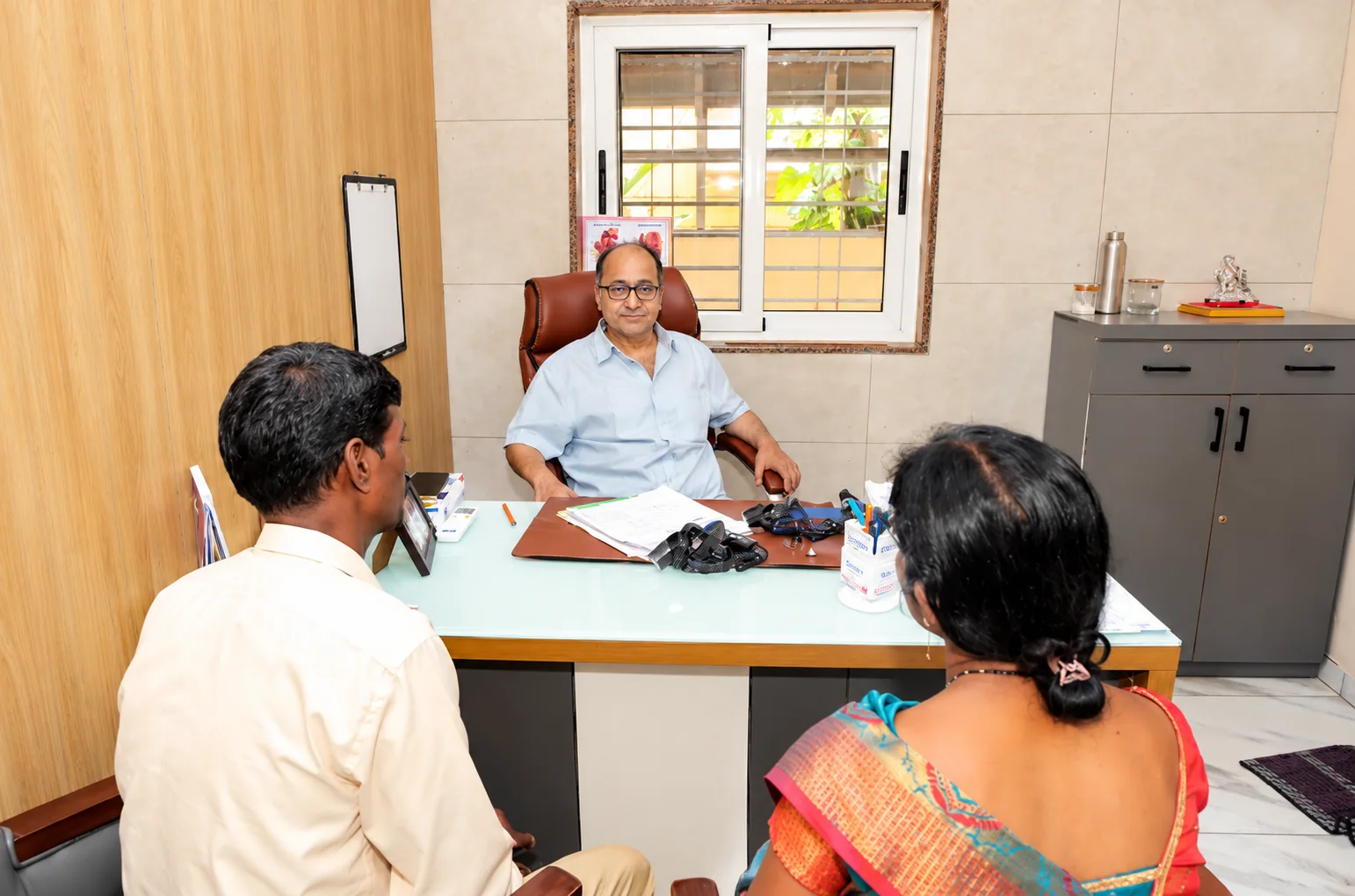
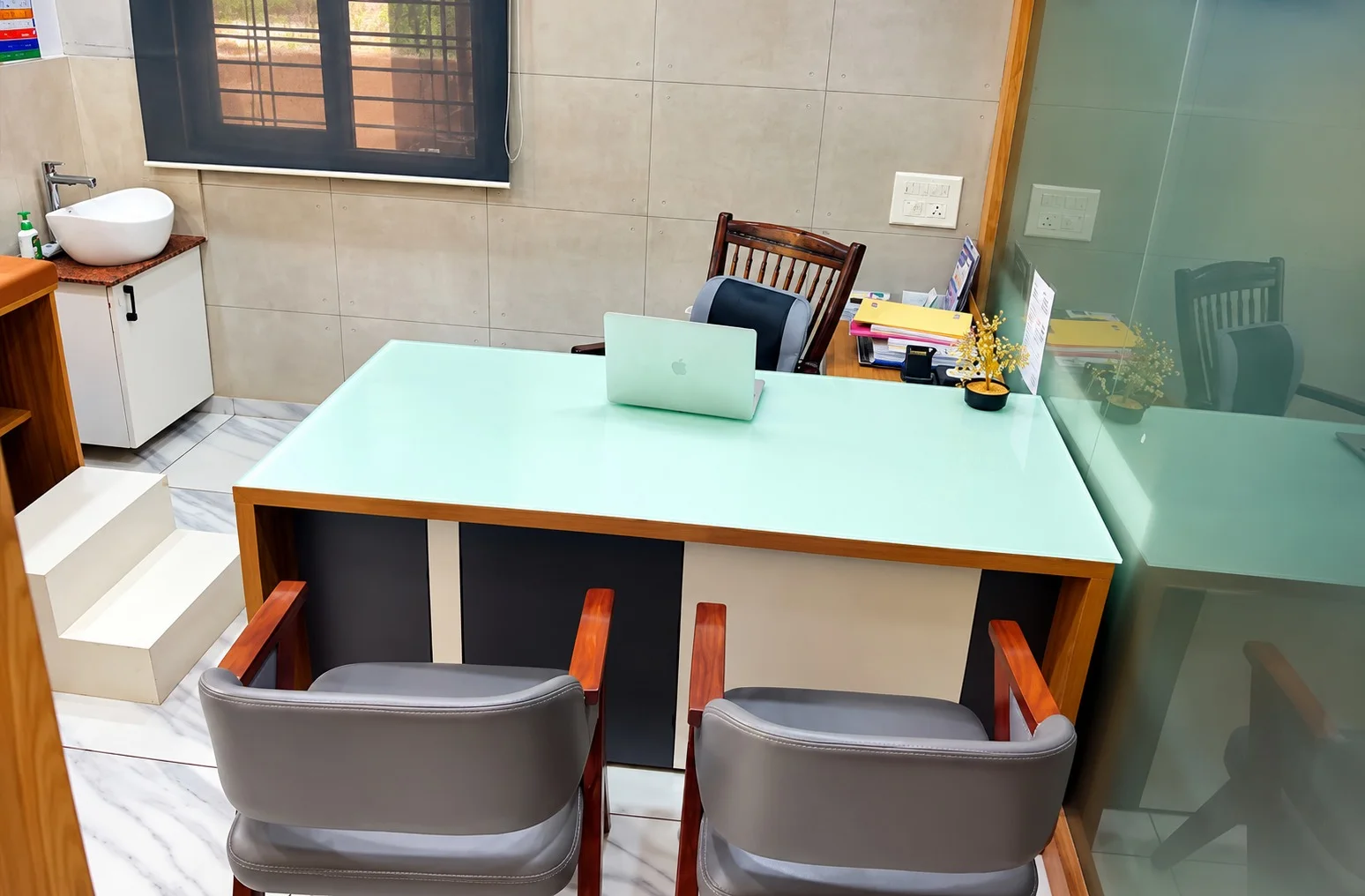
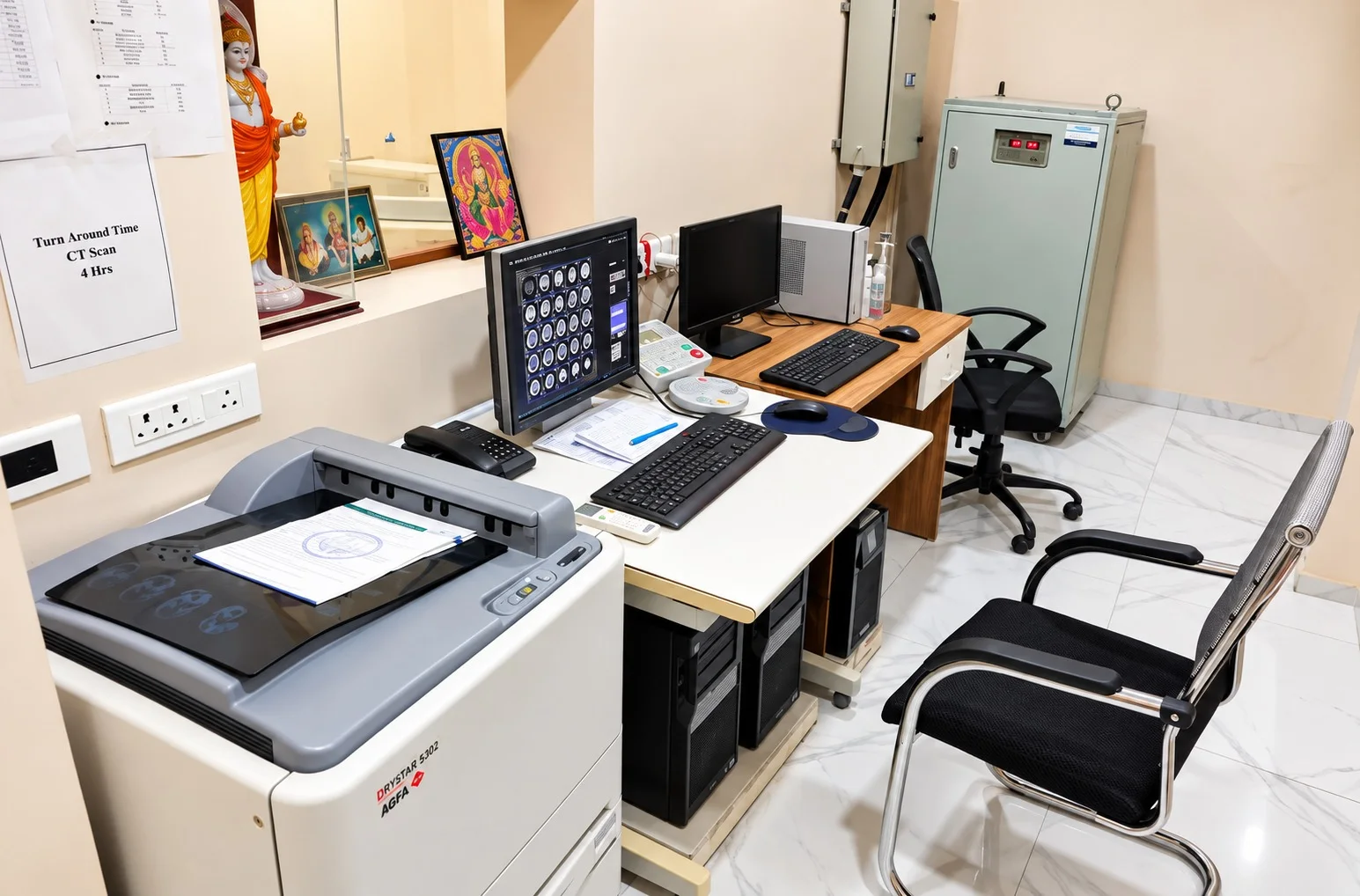
Diagnostic work area at Deccan Malti Hospital
Hospital photograph. Specific care and equipment depend on the service and clinical plan.
Patient information

About Radiology

Medical imaging can help clinicians assess and monitor a range of conditions.

This is general educational information. It does not diagnose, recommend a treatment for you, or confirm that every test or procedure described is available at this hospital.

What radiology contributes to care

Radiology uses medical imaging to help clinicians investigate symptoms, monitor known conditions or plan care. Different tests answer different questions. An X-ray, CT, ultrasound or MRI does not show the same structures in the same way, and no single test is appropriate for every concern.

The clinician who requests an examination should explain why it may help and what decision could depend on the result. The radiology team performs or interprets the examination according to the service available and the clinical request. A report is one part of care and should be discussed with the clinician who knows your symptoms and history.

Choosing an imaging test

The choice of test depends on the body area, the question being asked, prior findings, urgency and individual safety considerations. Some imaging uses ionizing radiation and some does not. The referring clinician weighs expected benefit against possible risk and chooses an examination that is likely to provide useful information.

Tell the team if you are pregnant or may be pregnant, have had a reaction to contrast material, have kidney problems, have an implant or device, or have difficulty lying still. Which details matter depends on the scan. Ask the imaging team about your specific examination rather than assuming a test is safe or unsafe from a general article.

Before the examination

Preparation varies: some examinations need no special steps, while others may require instructions about food, drink, medicine, clothing or arrival time. Follow the directions from the hospital or imaging team. If instructions conflict with your usual care, call to clarify rather than changing a medicine or fasting without guidance.

Bring the referral or appointment details, relevant prior images and reports, and information about allergies or past imaging reactions. Remove jewellery or metal items only when asked. If you need help with mobility, communication or anxiety, tell the team beforehand so they can discuss suitable support.

During imaging and safety

Staff should confirm the requested examination and explain what will happen. Tell them if you feel unwell, are uncomfortable or cannot follow an instruction. For examinations involving radiation, trained staff use an appropriate protocol for the clinical question; patients should share relevant history so the team can make an informed plan.

Some studies use a contrast agent to make particular structures easier to assess. Contrast is not used for every scan. Ask why it is proposed, what information the team needs about your health, and whom to contact if you have had a previous reaction. The imaging team can explain examination-specific risks and alternatives.

Reports, results and next steps

An imaging report describes findings and may recommend correlation with symptoms or another test. Technical terms can sound alarming without context. Ask the clinician who requested the examination to explain what the findings mean for you, what is uncertain and whether a next step is needed. Do not make treatment decisions from an isolated line in a report.

Confirm how and when results will be shared and who is responsible for reviewing them. If symptoms worsen while waiting, contact a qualified clinician promptly; use emergency services for severe or rapidly deteriorating symptoms. Keep copies of images and reports when the team advises, especially if you expect to consult another provider.

Questions to ask the imaging team

You may ask what the examination is intended to show, how to prepare, whether previous images should be brought, whether contrast is planned, what safety information to disclose, and when results will be reviewed. If you need language assistance or accessible instructions, ask when booking.

Deccan Malti Hospital lists Radiology in its service catalogue. Confirm the particular imaging tests, appointment schedule and reporting arrangements directly with the hospital. This page is general education and does not guarantee that every modality is available or that an examination is appropriate for you.

Plan a visit

Bring the information that helps your clinician

Bring relevant reports, prescriptions, a current medicine and allergy list, and a short timeline of your concern. Confirm appointment availability, preparation instructions, service details and costs directly with the hospital.

  • Write down when the concern began and what has changed.
  • Bring previous reports and images when available.
  • Ask who will review test results and explain the next step.
  • Do not stop prescribed medicines unless your clinician advises it.

Choosing the right imaging examination

Different imaging methods answer different clinical questions. The referring clinician and radiology team consider the body area, symptoms, previous results, age and other health factors. Ask why a particular examination is recommended and whether its result is expected to change the next step in care.

Tell the team about prior imaging, surgery, implants, allergies and pregnancy or possible pregnancy before the examination. This information may affect the choice of study or preparation. Do not cancel a test based on a general web article; ask the ordering clinician or radiology staff to clarify the concern.

Preparing for an imaging appointment

Preparation varies by examination. You may be asked to change clothing, remove metal items, fast or follow instructions about contrast, but not every study requires these steps. Read the instructions for your appointment and call the testing team if they conflict with a medicine schedule or a health condition.

Arrive with the request or appointment details and any relevant prior reports. Tell staff if you feel unwell, have difficulty lying still or need mobility or communication support. Ask how long the visit may take and whether you can resume usual activity afterward.

Radiation, contrast and safety questions

Some examinations use ionizing radiation and others do not. The care team considers the expected clinical benefit and uses the appropriate examination for the question. If you are pregnant or may be pregnant, tell the radiology staff before imaging so they can discuss the safest suitable approach.

If contrast material is proposed, tell staff about prior reactions, kidney problems, allergies and medicines. Ask why it is needed, what sensations may occur and whom to contact if you feel unwell afterward. Do not assume an earlier contrast study means the next one is risk-free.

Understanding radiology reports

An imaging report describes what the radiologist can see and may recommend comparison, follow-up or another test. It should be interpreted by the clinician who knows your symptoms and examination. A phrase in a report is not, by itself, a complete diagnosis or a treatment decision.

Ask when the result will be available, who will explain it and what to do if you have not heard back. Keep access to prior images and reports, since comparison can sometimes help. If symptoms worsen before the planned review, contact a clinician rather than waiting for the report discussion.

Supporting communication across clinical teams

Imaging may be requested by a doctor who is not the person performing the scan. Confirm that the request includes the correct body area and relevant clinical question. If you are unsure, contact the referring team before the appointment rather than asking radiology staff to guess the intended examination.

After the study, check which clinician owns the next step. If another specialist needs the report, ask how it will be shared and whether you should bring a copy. Clear communication can reduce delays and unnecessary repeat studies.

What to ask before leaving

Before leaving, ask whether the examination is complete, whether there are any immediate instructions and when the report should be ready. For an examination involving contrast or sedation, confirm any restrictions and the contact number for concerns. Follow the specific instructions given by the radiology team.

If you need accessible communication, a support person or help moving between areas, tell staff as early as possible. Do not share a medical report through an unverified social account. Use hospital-approved channels and discuss the result with a qualified clinician.

Accessible imaging and communication support

Tell the imaging department if you need help transferring, positioning, hearing instructions or understanding the process. Ask whether an interpreter, wheelchair access or a support person can be arranged. Providing this information ahead of time can help the team plan the appointment safely.

If you cannot hold a position or remain still, explain why. Staff may be able to adapt positioning or discuss another suitable approach with the referring clinician. Do not force a painful position without telling the radiographer.

When repeat imaging is discussed

A clinician may request repeat images to compare a change, assess a new symptom or clarify a technical limitation. Ask what new question the repeat study addresses and whether earlier images are available for comparison. This can help avoid unnecessary repetition.

If you are concerned about radiation exposure or the timing of another study, discuss the risk and benefit with the referring clinician. Tell the team about recent imaging and pregnancy or possible pregnancy. Do not cancel a test without clarifying the clinical reason.

Keeping records for future appointments

Save the report and image access details, including the date and body area. Bring them to follow-up or another specialist visit. A written report without the images may not be enough for some comparisons, so ask the radiology department how to access both.

If a report recommends further assessment, confirm which clinician will arrange it and how soon. If your symptoms change before that review, contact the care team. Imaging does not replace follow-up with the clinician who ordered it.

What happens when findings are unexpected

Imaging can reveal a finding that was not the main reason for the study. The radiologist may recommend comparison or follow-up, but the clinician who knows your history should explain what it means and whether it needs action.

Ask who is responsible for arranging the next step and how soon it should happen. Keep a note of the recommendation and the clinician you contacted. If the report uses unfamiliar wording, request a plain-language explanation rather than trying to interpret it alone.

Keeping the imaging process accessible

If you need an interpreter, accessible instructions, extra time, transfer support or help with a position, let the imaging department know when booking. Staff may be able to plan an accommodation or discuss another approach with the referring clinician.

Tell the radiographer if pain or anxiety makes it hard to remain still. The team can explain what is needed and whether a brief pause is possible. Do not leave the department without asking if you are unsure whether the examination was completed.


Patient questions

Frequently asked questions about Radiology

These general answers support a conversation with a qualified clinician; your care plan depends on your individual situation.

Does every imaging test use radiation?

No. Imaging methods differ. Ask the referring clinician or radiology team which examination is planned and what safety considerations apply.

Should I bring old scans?

Bring prior reports and image files when available. Comparing earlier images may help the clinician, but the team will decide whether they are relevant.

Do I need to fast before a scan?

Preparation depends on the examination. Follow the instructions from the hospital and call to clarify anything you are unsure about.

Who explains my imaging report?

Discuss the report with the clinician who requested the examination. They can interpret it alongside your symptoms, history and examination.

What if I am pregnant or have a contrast allergy?

Tell the referring clinician and imaging team before the examination. They need this information to assess the appropriate plan.

Videos & reels

Radiology videos

Short videos shared by the hospital about this service.

Videos coming soon

The hospital can add service-related YouTube or Instagram videos in the admin panel.

Videos are provided for general information. They do not replace medical advice, diagnosis or treatment.

Help us improve this page

Share feedback about this service information

Your message is sent privately to the hospital team and is not published as a review. Please do not include patient records, test results or other sensitive medical details.

For appointments, use the appointment form. For urgent medical help, call 112 or go to the nearest emergency department.

Provide an email or phone number so the team can respond if needed.

Related services

Explore related care

Deccan Malti Hospital · Vishrambag, Sangli

Have a question about Radiology?

Contact the hospital team to confirm service availability and plan your visit.

Call WhatsApp Book