Appointments, clinician availability and the exact services offered should be confirmed with the hospital team.
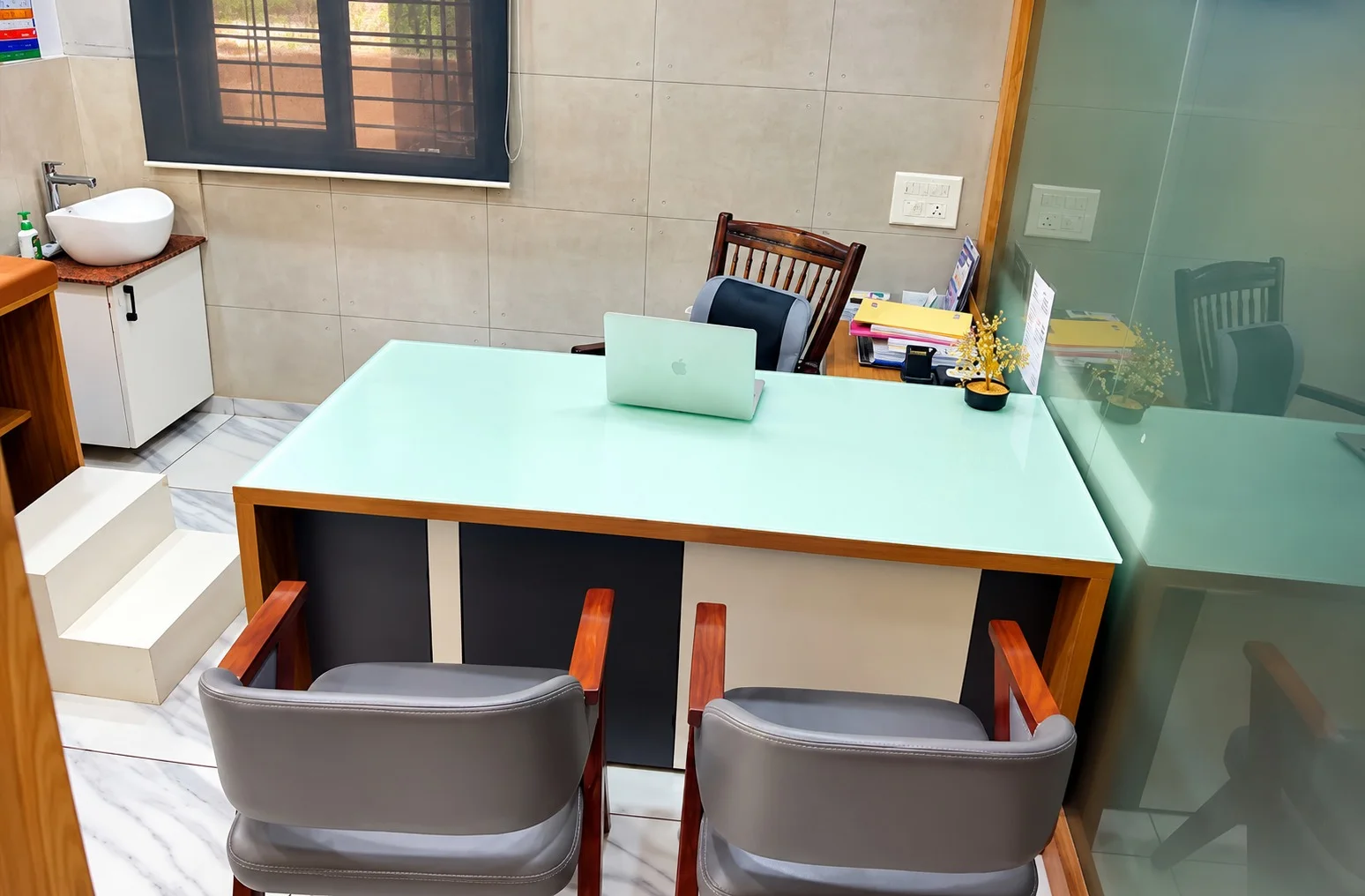
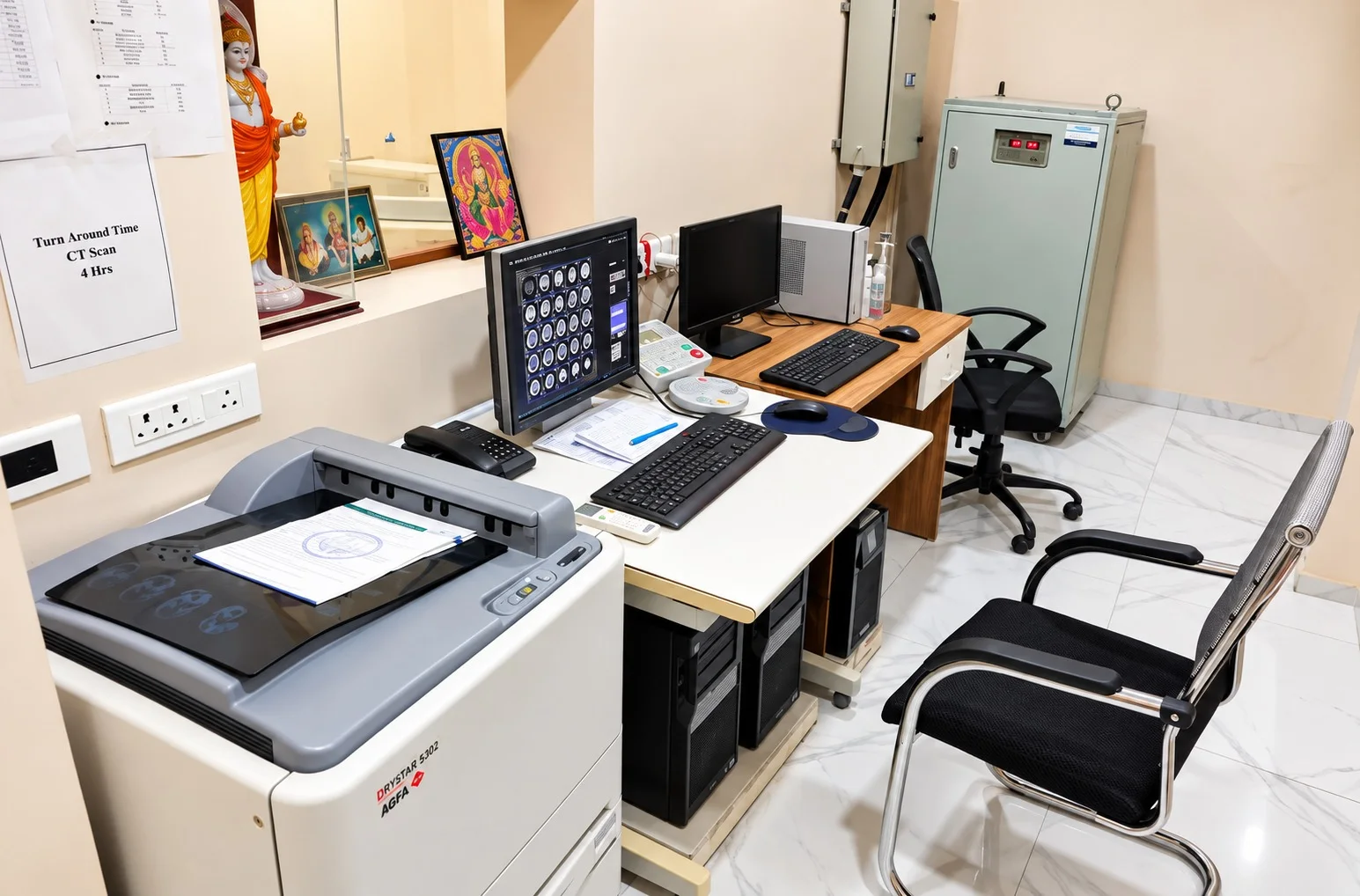
Hospital photograph. Specific care and equipment depend on the service and clinical plan.
Service overview
Discuss your concern with the clinical team
The Nephrology department cares for patients with kidney disease — from early protein leakage in diabetics to advanced chronic kidney disease requiring dialysis planning. Kidney disease is silent until late, which makes early detection in high-risk people — diabetics, hypertensives, those with family history — the department's central mission. At Deccan Malti Hospital, Sangli, care focuses on slowing progression with proven measures, preparing patients and families properly when dialysis becomes necessary, and coordinating with cardiology and urology for the whole-person care kidney patients need.
This educational page does not diagnose a condition or replace assessment and advice from a qualified clinician.
How the consultation may help
Kidneys fail quietly. By the time symptoms appear — swelling, breathlessness, nausea, fatigue — significant function has usually been lost. This is why nephrology places such weight on the simple tests that detect trouble years earlier: urine protein and blood creatinine. If you have diabetes or high blood pressure, these tests are as important as your sugar and BP readings.
A diagnosis of chronic kidney disease is not a sentence to dialysis. With blood pressure control, sugar discipline, kidney-protective medicines where indicated, and avoidance of kidney-harming painkillers, progression can often be slowed dramatically. The earlier this starts, the more kidney function is preserved.
When dialysis does become necessary, preparation matters: timely planning of access, vaccination, and family counselling make the difference between a planned, calm start and an emergency one.
Concerns that may be assessed
The examples below are general information, not a self-diagnosis checklist. A clinician decides what assessment is appropriate.
Chronic Kidney Disease (CKD)
Gradual, permanent loss of kidney function, most often from diabetes and hypertension. Staged 1–5 by eGFR; early stages are managed medically to slow progression, later stages need preparation for replacement therapy.
Known CKD with worsening breathlessness, swelling or vomiting needs prompt review, not a routine wait.
Diabetic Kidney Disease
Kidney damage from years of diabetes, beginning silently as protein in urine. Early detection plus sugar, BP and specific kidney-protective medicines can markedly slow decline.
Every diabetic should have urine protein and creatinine checked at least yearly — even when feeling perfectly well.
Hypertensive Kidney Damage
Long-standing high blood pressure scars the kidneys, and damaged kidneys raise BP further — a cycle that treatment must break with consistent BP control.
BP that remains high despite three medicines needs evaluation for a kidney or other secondary cause.
Acute Kidney Injury
Sudden kidney shutdown from dehydration, infection, medicines or obstruction. Often reversible with prompt treatment — which is why sudden reduced urine output is never ignored.
Markedly reduced urine output, especially with vomiting, diarrhoea or after new medicines, needs same-day assessment.
Kidney Stones & Kidney Health
Recurrent stones, especially with infection or obstruction, can damage kidneys over time. Management with urology focuses on clearance and prevention.
Stone with fever is dangerous for the kidney — treat as urgent.
Dialysis Planning & Follow-up
When kidney function falls to levels needing replacement, options — haemodialysis, peritoneal dialysis, transplant evaluation — are explained early, access is planned, and ongoing care is coordinated.
Missed dialysis sessions with breathlessness or chest symptoms need urgent attention.
Symptoms to discuss
Describe what you notice, when it started, how it has changed and how it affects everyday activities. Seek urgent care for severe or sudden symptoms.
Swelling of feet, ankles or around the eyes — especially in the morning
Foamy or frothy urine persisting over days
Reduced urine output
Unexplained fatigue, nausea or loss of appetite
High blood pressure that is difficult to control
You have diabetes or hypertension — get screened even without symptoms
Muscle cramps or persistent itching without skin cause
Assessment and investigations
Kidney evaluation rests on simple, powerful tests: blood creatinine (from which eGFR — the kidney function percentage — is calculated), urine examination and urine protein measurement, and blood pressure readings. Ultrasound assesses kidney size, obstruction and stones.
For unclear or rapidly progressing disease, further blood tests and occasionally kidney biopsy are needed; the reasons and process are explained in detail beforehand. Please confirm the availability of specific tests when booking.
Monitoring is structured: stable early CKD needs checks every few months; advancing disease needs them more often. A personal schedule is given, not a vague "come when needed".
Possible care options
Early and middle-stage CKD treatment targets the drivers: rigorous blood pressure control, sugar control in diabetics, kidney-protective medicines where indicated, dietary salt and protein guidance, and strict avoidance of over-the-counter painkillers (NSAIDs) and unverified remedies that silently harm kidneys.
Complications are treated as they arise: anaemia of kidney disease, mineral and bone disorder, and acid load each have specific treatments that improve how patients feel and function.
For advanced disease, the focus shifts to preparation: dialysis access planned before it is urgently needed, vaccinations completed, and transplant evaluation discussed where appropriate — so that replacement therapy begins as a planned transition, not a crisis.
What to discuss with the team
Early-detection focus — screening diabetics and hypertensives before symptoms appear
Progression-slowing treatment built on proven measures, not promises
Structured monitoring schedules, so changes are caught between visits
Calm, planned dialysis preparation instead of emergency starts
Coordination with cardiology, urology and diabetology for whole-patient care
A possible care pathway
Screening or consultation
History, examination, BP and baseline kidney tests.
Staging & cause
eGFR, urine protein and ultrasound define the stage and likely cause.
Progression plan
BP, sugar, medicines, diet and painkiller avoidance — with written targets.
Structured monitoring
Review schedule matched to your stage; treatment adjusted on trends.
Replacement planning
If function declines: access, vaccination and modality counselling in advance.
Preparing for a visit
All previous creatinine, eGFR and urine reports — trends matter enormously
Recent sugar and HbA1c reports if diabetic
Home blood pressure diary, if you keep one
Complete medicine list, including any painkillers or supplements
Ultrasound or scan reports of the kidneys
Insurance documents — kidney care is long-term and should be financially planned
Follow-up and recovery
Chronic kidney disease is managed, not cured — which makes daily habits the real treatment: salt restriction, prescribed fluid and diet guidance, medicines without gaps, and no self-medication with painkillers or herbal remedies of unknown safety.
For dialysis patients, routine is safety: sessions attended as scheduled, fluid limits kept between sessions, access-site care, and prompt reporting of fever, breathlessness or access problems.
Family involvement improves outcomes — families are counselled on diet support, medicine schedules and the warning signs that need early contact.
Understanding kidney tests over time
Kidney assessment often uses more than one piece of information. A clinician may consider blood or urine results, blood pressure, medicines, symptoms and how values change over time. Bring earlier reports when available and note the date and laboratory, because methods and reference ranges can differ.
Ask which result is most important, what it means in your situation and whether it needs repeating. A single value cannot establish the full cause or severity of a kidney concern. Discuss the plan with the clinician who knows your history rather than interpreting a result or changing treatment by yourself.
Reviewing medicines and other health conditions
Tell the nephrology team about all prescribed and non-prescribed medicines, supplements, allergies and prior reactions. Mention diabetes, high blood pressure, heart conditions and recent illness if relevant. The team may need this information when reviewing test results or planning imaging and treatment.
Do not stop a medicine, alter fluid intake or begin a restrictive diet because of a general kidney article. Advice can depend on test results, other conditions and the exact treatment plan. Ask which clinician should answer medicine questions and whether a pharmacist or dietitian should be involved.
Planning continuing kidney care
Some kidney concerns require monitoring and communication across more than one specialty. Ask how often follow-up is expected, which tests should be repeated, who reviews the results and what changes should prompt an earlier call. Keep a current list of appointments and bring it to other clinicians involved in your care.
If a procedure, contrast study or new medicine is being considered, mention your kidney history to the relevant team before it is arranged. The clinician can decide what checks or precautions are appropriate. Seek urgent help for severe symptoms or rapid deterioration rather than waiting for a routine kidney clinic.
Tracking blood pressure and test trends
If the clinician asks you to monitor blood pressure or another measure, confirm how often to record it, what device or method to use and when to report a reading. Bring dated records rather than relying on memory. Do not repeatedly check or change treatment without a clinician’s plan.
Kidney-related values can change with illness, hydration, medicines and other conditions. Ask whether a new result should be repeated and what comparison is meaningful. Keep a timeline of reports so the care team can see the pattern rather than a single number.
Planning ahead for imaging and new prescriptions
Tell every clinician who orders imaging or a medicine that you have kidney disease or are being assessed for a kidney concern. Ask whether kidney function needs checking before contrast or a new treatment. The ordering team can decide what precautions are appropriate.
Do not start pain relievers, supplements or a special diet based on general advice without checking with a clinician or pharmacist. Some products may be unsuitable for particular kidney conditions. Keep one updated list of medicines and share it at each appointment.
Patient questions
Frequently asked questions about Nephrology
These general answers support a conversation with a qualified clinician; your care plan depends on your individual situation.
My creatinine is slightly high but I feel fine. Does it matter?
Yes — this is exactly when it matters most. Kidney disease causes no symptoms until advanced stages. A raised creatinine found early, with treatment started early, can preserve kidney function for years. "Feeling fine" is not reassurance with kidneys.
Does every CKD patient eventually need dialysis?
No. Many patients, especially those detected early, stabilise or decline so slowly with proper treatment that dialysis is never needed. The stage at detection and how well BP, sugar and diet are controlled largely determine the course.
Are painkillers really harmful to kidneys?
Yes. Regular use of common painkillers like diclofenac, ibuprofen and similar drugs damages kidneys, especially in people who already have reduced function, diabetes or hypertension. Kidney patients should take painkillers only on medical advice.
How often should a diabetic test kidney function?
At least once a year — urine albumin and blood creatinine — even with normal previous results and no symptoms. More often if either test is abnormal or sugar control has been poor.
What diet should a kidney patient follow?
The core principles: restrict salt strictly, moderate protein as advised for your stage, limit high-potassium and high-phosphate foods if your levels are raised, and follow fluid guidance if prescribed. Diet in kidney disease is stage-specific — follow the plan given for your stage, not generic internet advice.
Is dialysis permanent once started?
For chronic kidney disease reaching stage 5, dialysis is usually long-term unless a transplant is performed. For acute kidney injury — sudden shutdown from dehydration, infection or medicines — dialysis may be temporary support until kidneys recover. The two situations are very different.
Can Ayurvedic or herbal medicines treat kidney disease?
Unverified remedies are risky in kidney disease — some are directly kidney-toxic, and relying on them delays proven treatment. If you wish to use any supplement, show it to your nephrologist first. Proven progression-slowing treatment exists; do not trade it for promises.
What is eGFR and what number should I worry about?
eGFR estimates what percentage of normal kidney function you have. Above 90 is normal; 60–89 is watched; below 60 persisting for three months defines CKD; below 30 needs close nephrology care and forward planning. One abnormal value is always rechecked before conclusions.
Videos & reels
Nephrology videos
Short videos shared by the hospital about this service.
▶
Videos coming soon
The hospital can add service-related YouTube or Instagram videos in the admin panel.
Videos are provided for general information. They do not replace medical advice, diagnosis or treatment.
Help us improve this page
Share feedback about this service information
Your message is sent privately to the hospital team and is not published as a review. Please do not include patient records, test results or other sensitive medical details.
For appointments, use the appointment form. For urgent medical help, call 112 or go to the nearest emergency department.
Related services
Explore related care
Urology
Consultation for conditions involving the urinary system and related concerns.