






Many aneurysms are found unexpectedly
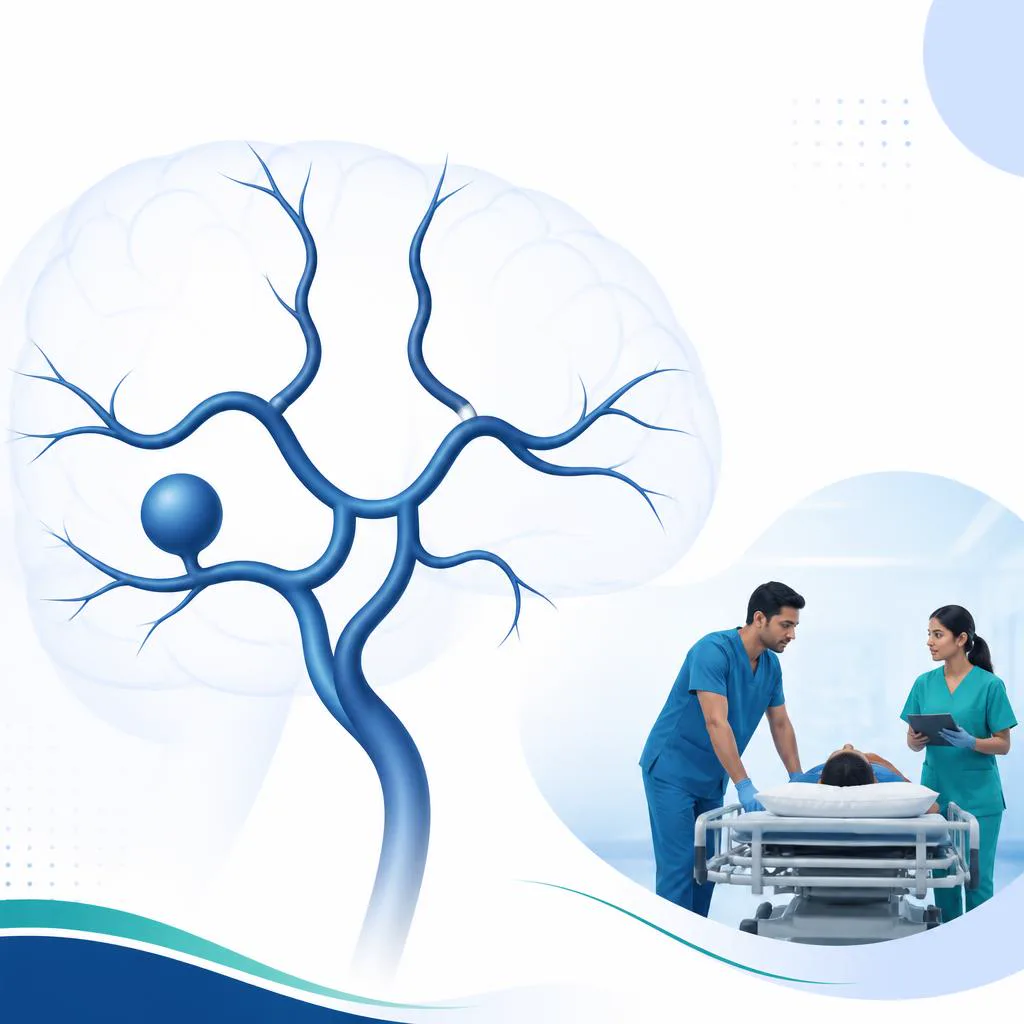
An aneurysm is a bulge in a blood vessel. A small unruptured brain aneurysm may cause no symptoms and be found during imaging for another reason. That discovery can be frightening, but it does not automatically mean an emergency operation is necessary. A specialist assesses the aneurysm’s features and balances the risks of monitoring against those of treatment.
A thunderclap headache is different
A headache that starts suddenly and is exceptionally severe can indicate bleeding and needs immediate emergency assessment. Collapse, neck stiffness, vomiting, seizure, weakness or speech change adds concern, but not every feature needs to be present. Call 112 or local emergency services. Do not drive yourself or wait for a website response.
Which scans may be considered?
CT can assess bleeding, while CT angiography, MR angiography or catheter angiography may help define blood vessels. The emergency or specialist team selects the appropriate tests. Each investigation has a purpose and limitations. A routine MRI booked for later is not an appropriate substitute for emergency evaluation of a possible rupture.
Monitoring, clipping and endovascular pathways
Some unruptured aneurysms are monitored. Others need treatment because of their individual risk profile or because they have ruptured. Clipping and endovascular procedures use different approaches and expertise. Their mention in an educational guide does not establish local capability. Ask which option is recommended, where it is available and who coordinates any necessary transfer or referral.
Questions for a planned review
Ask what factors influence your aneurysm’s risk, whether further imaging is needed and which symptoms require emergency help. Discuss blood-pressure control, smoking and medication questions with the treating team. Do not stop prescribed treatment or impose extreme activity restrictions without advice. If monitoring is chosen, know the review interval and whom to contact if symptoms change.
Further information and next steps in Sangli
For related evaluation and treatment information, read our [brain aneurysm treatment](/departments/neurosurgery/brain-aneurysm-treatment) guide. You can also meet [Dr. Rohan Patil](/doctors/dr-rohan-patil), explore the [brain and spine information hub](/brain-spine-centre-sangli), or [contact the hospital](/contact). An online appointment is not an emergency pathway.
References and editorial review
Educational information does not replace an examination. Review is due annually and earlier if evidence or clinical scope changes. Reviewer credits appear only after an actual review of this version.