




Avoid both panic and delay
Most back pain has causes other than a spinal tumour. Nevertheless, persistent change, neurological findings or a relevant cancer history can alter the assessment. An online symptom list cannot diagnose cancer. The useful step is an appropriate clinical review, with emergency assessment for rapidly worsening weakness, walking problems or bladder and bowel changes.
Where a tumour is located matters
Tumours can affect vertebrae, tissues around the spinal cord or the cord itself. They may be primary or related to cancer elsewhere. These differences influence symptoms and treatment. A scan finding needs specialist interpretation, and the plan may require information about previous cancer treatment or pathology rather than a spinal image alone.
Symptoms to explain to the clinician
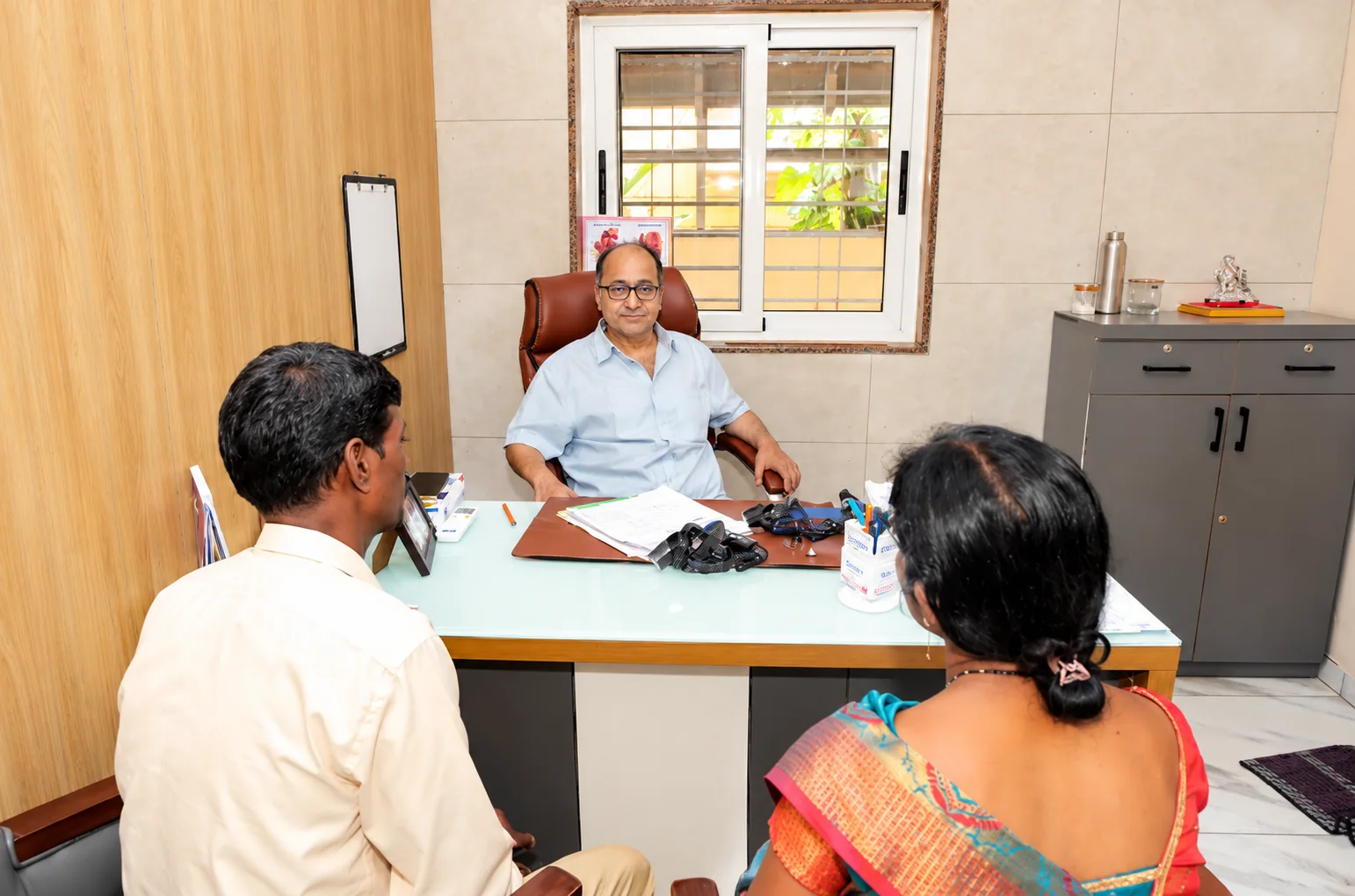
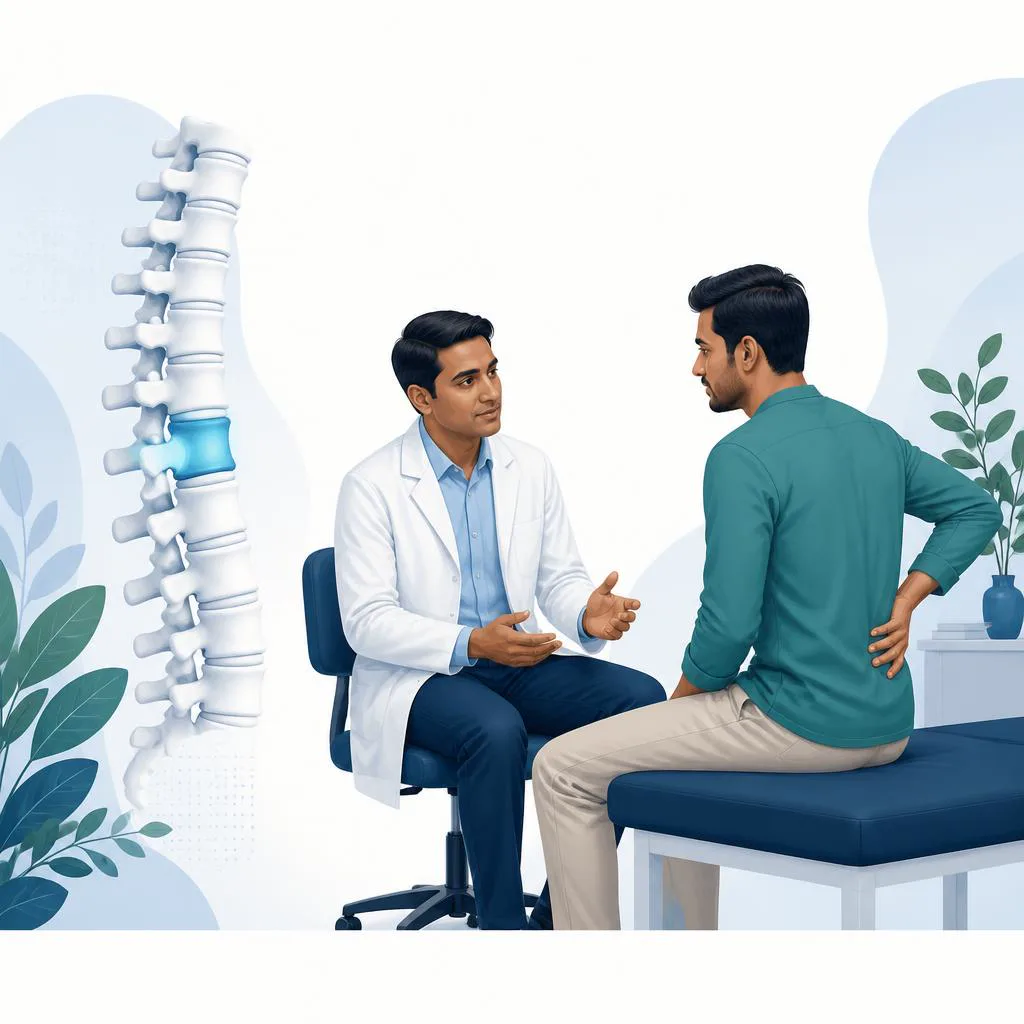
Describe pain progression, changes in sensation, weakness, walking and bladder or bowel function. Mention any cancer diagnosis, unexplained general-health changes and previous spinal procedures. Do not let a symptom diary delay emergency care. The clinician uses the full picture to decide whether MRI or another investigation is needed urgently.
Imaging and treatment planning
MRI, sometimes with contrast, can help examine the cord, nerves and surrounding structures. CT or wider investigations may answer other questions. Surgery is not the only treatment and may have a diagnostic, decompression or stabilisation goal. Oncology and rehabilitation input can be important. Confirm what can be managed locally and where specialist referral is needed.
An urgent change overrides a future appointment
New major weakness, loss of walking or bladder and bowel dysfunction must not wait for a routine booking. Attend an appropriate emergency facility and follow professional instructions. After treatment, follow-up should cover both tumour control and practical function, including mobility, pain and support needs. A website cannot predict individual recovery.
Further information and next steps in Sangli
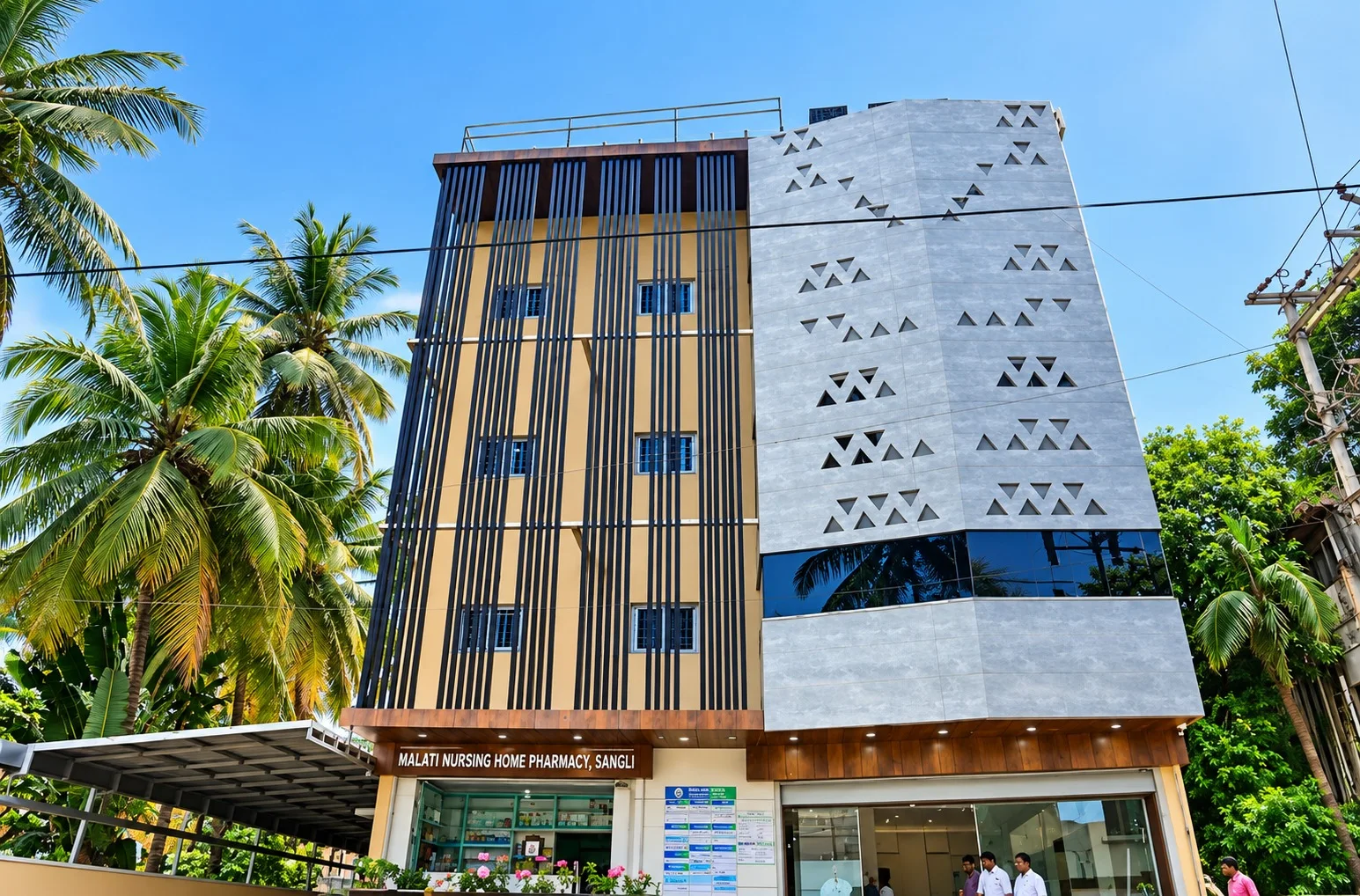
For related evaluation and treatment information, read our [spine tumor surgery](/departments/neurosurgery/spine-tumor-surgery) guide. You can also meet [Dr. Rohan Patil](/doctors/dr-rohan-patil), explore the [brain and spine information hub](/brain-spine-centre-sangli), or [contact the hospital](/contact). An online appointment is not an emergency pathway.
References and editorial review
Educational information does not replace an examination. Review is due annually and earlier if evidence or clinical scope changes. Reviewer credits appear only after an actual review of this version.