





Cervical Spine Surgery in Sangli
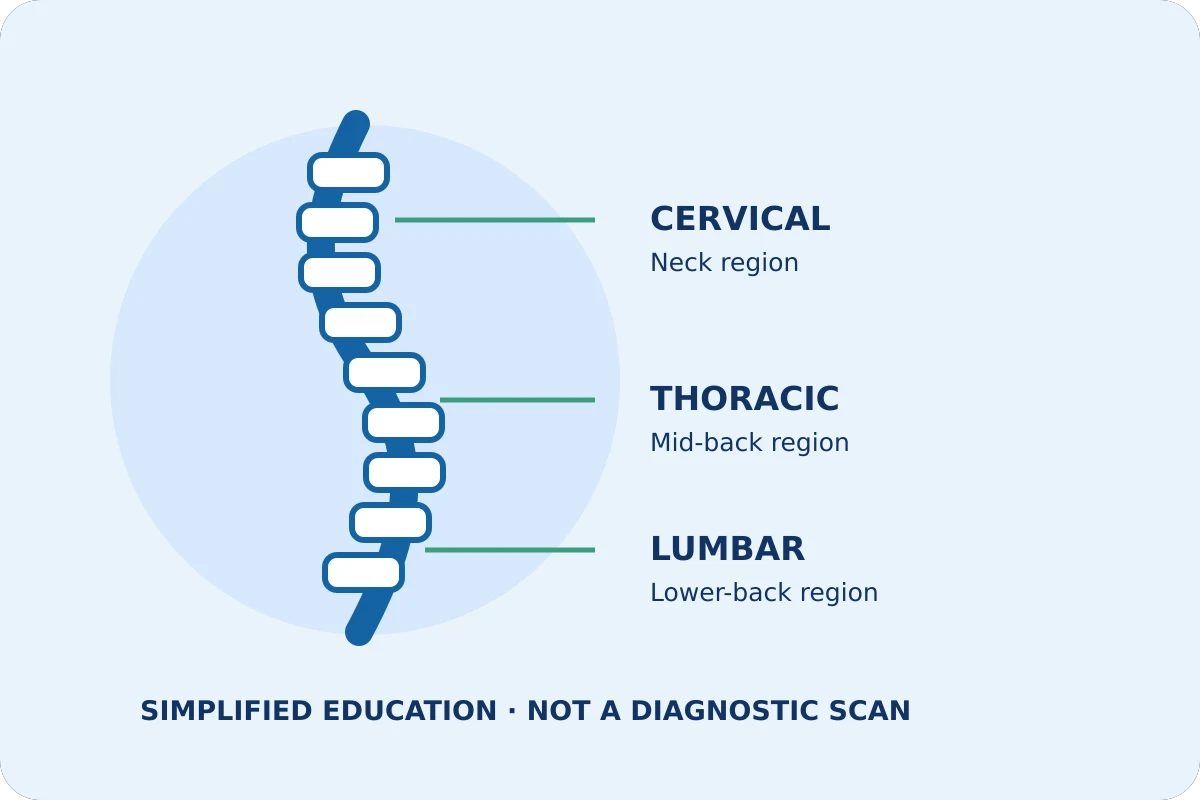
The cervical spine is the neck region. A disc or other change can irritate a nerve root supplying the arm or compress the spinal cord. These are different problems with different implications. People considering cervical spine surgery in Sangli need a neurological assessment and an explanation of whether symptoms come from a nerve, the cord or another cause.
Symptoms and reasons for assessment
These features may justify medical review, but they do not establish a diagnosis. Their onset and progression determine urgency.
- Neck pain with arm pain, tingling or numbness
- Weakness in part of the arm or hand
- Hand clumsiness, balance or walking difficulty
- Progressive neurological symptoms even when neck pain is modest
Radiculopathy and myelopathy
Radiculopathy involves a nerve root and can produce pain or weakness along an arm. Myelopathy involves the spinal cord and can affect hand coordination, balance and walking. The distinction matters because progressive cord symptoms need prompt specialist attention. Neck pain alone does not prove either diagnosis, and shoulder or peripheral nerve problems may coexist.
Examination and MRI
The clinician assesses strength, sensation, reflexes, hand function and walking as needed. MRI helps examine discs, nerves and the spinal cord; other tests may be selected for specific questions. Scan findings must fit the clinical picture. An age-related change on a report is not automatically the reason for every arm symptom.
Nonsurgical treatment and its limits
Selected nerve-root symptoms may be managed with supervised rehabilitation, activity advice or prescribed medicines. The plan should be reassessed if neurological findings worsen. Exercise advice appropriate for uncomplicated pain may be unsuitable when the spinal cord is compressed. Do not pursue forceful neck manipulation or copy an online programme before the diagnosis is clear.
When surgery may be recommended
Persistent nerve symptoms with a matching cause or spinal cord compression may lead to a surgical discussion. The aim may include relieving pressure or reducing deterioration risk rather than promising full recovery. The surgical route and need for stabilisation depend on the case. Specific approaches or implants are not claimed as locally available without confirmation.
Aftercare and safety-netting
Follow-up monitors neurological recovery, wound healing and any movement restrictions appropriate to the procedure. The care team should address work, driving, swallowing concerns and rehabilitation if relevant. New walking difficulty, sudden loss of coordination or bladder and bowel change needs urgent assessment rather than waiting for a planned routine review.
Preparing for a consultation in Sangli
For a planned review, bring original scan images as well as written reports, previous treatment and operation records, a medicine and allergy list, and a short timeline of symptoms. Explain what has changed and how walking, work, sleep or everyday tasks are affected. Do not delay emergency care to collect these documents.
Ask which findings explain your symptoms, whether further tests would change the plan, what nonsurgical alternatives exist, and what any proposed treatment is intended to improve. Discuss risks, practical recovery needs and how results will be communicated. Costs, insurance approval and local procedural availability require case-specific confirmation.
Meet Dr. Rohan Patil, MS, M.Ch (Neurosurgery), explore the spine assessment hub, or use our hospital contact and directions page for Vishrambag, Sangli–Miraj Road, Sangli. An appointment request needs hospital confirmation and is not an emergency assessment.
Frequently asked questions
Can a neck problem cause hand symptoms?
Yes. A nerve root or spinal cord problem can affect the hand, but shoulder and peripheral nerve conditions can also do so. Examination helps distinguish them.
Is little neck pain reassuring if my hands are clumsy?
Not necessarily. Spinal cord compression can affect coordination or walking without severe pain. Progressive symptoms need prompt medical review.
Does this page confirm a specific cervical operation is offered?
No. It explains evaluation and general treatment concepts. The team must confirm the appropriate procedure, local expertise and any referral needs.
What should I bring for an assessment?
Bring original scan images, reports, a medicine and allergy list, previous treatment records and a short symptom timeline. For an emergency, do not delay care while collecting documents.
Can this guide confirm my diagnosis?
No. Similar symptoms can have different causes. A clinician must interpret the history, examination and relevant tests before recommending a diagnosis or treatment.
How do I confirm the treatment location and appointment?
Contact the hospital to confirm the appropriate doctor, date, time and service scope. A booking request is not a guaranteed slot, procedure, insurance approval or bed reservation.
Which new symptoms should not wait for routine review?
Sudden weakness, speech change, an exceptionally severe headache, serious injury, new bladder or bowel dysfunction, saddle numbness or rapid neurological deterioration requires emergency assessment. Call 112 or local emergency services.
References and editorial policy
Original patient-education text prepared from the references above and supplied hospital facts. Content prepared: 22 October 2026. An actual reviewer’s name, qualifications and review date appear only after approval of this exact version. Review is due annually or earlier when evidence, clinical practice or hospital capabilities change. Read the medical disclaimer.