




Spine Surgeon in Sangli – Dr. Rohan Patil
A spine surgeon evaluates selected conditions of the neck, back, spinal cord and nerves, but many patients do not need an operation. This spine surgery hub for Sangli explains the differences between conditions and procedures and links to more detailed guides. Dr. Rohan Patil’s supplied hospital profile is available for patients seeking a neurosurgical opinion.

Symptoms and reasons for assessment
These features may justify medical review, but they do not establish a diagnosis. Their onset and progression determine urgency.
- Persistent neck or back symptoms with nerve-related pain
- Weakness, numbness or changes in hand function
- Walking problems or a diagnosed structural condition
- An existing scan that needs clinical interpretation
Start with symptoms and a diagnosis
Back pain alone does not identify a disc problem, stenosis or instability. The location, duration, neurological findings and impact on function help the specialist establish a likely cause. Hip, shoulder, circulation and peripheral nerve conditions can sometimes resemble a spine problem. Treatment is more useful when it addresses the correct diagnosis rather than a scan label alone.
Lumbar and cervical problems are not interchangeable
Lumbar conditions may cause back or leg symptoms, while cervical conditions can affect the neck, arm nerves or spinal cord. Hand clumsiness and imbalance may be important even when neck pain is mild. The condition guides explain slip disc, sciatica, stenosis, myelopathy, vertebral slip, tumour and injury with appropriate warning signs.
Conservative care when appropriate
Many non-emergency conditions can begin with clinician-directed medicines, graded activity or supervised rehabilitation. Progress should be measured in daily function as well as pain. A plan needs review if symptoms persist or neurological findings change. Physiotherapy should not delay assessment of progressive weakness or other urgent signs.
When an operation is considered
Surgery may be discussed for persistent disabling symptoms with matching findings, instability, selected tumours or injuries, or urgent nerve compression. Decompression, disc surgery and fusion have different goals. The procedure pages provide education and referral information only until capability is confirmed. No single technique is best for every patient, and outcomes cannot be guaranteed.
Planning treatment and recovery
Bring reports, original images, a medicine list and a summary of treatment tried. Ask what the proposed operation would aim to improve, what alternatives remain, what risks matter in your case and what recovery involves. Work demands, general health and neurological function influence aftercare. The team should provide clear follow-up and emergency-return instructions.
When not to wait
New bladder or bowel dysfunction, saddle numbness, rapidly worsening weakness, a serious injury or new walking problems can need urgent assessment. Do not wait for a preferred appointment date or scan. Call emergency services or attend an appropriate emergency department. The routine appointment system is not a real-time emergency triage service.
Preparing for a consultation in Sangli
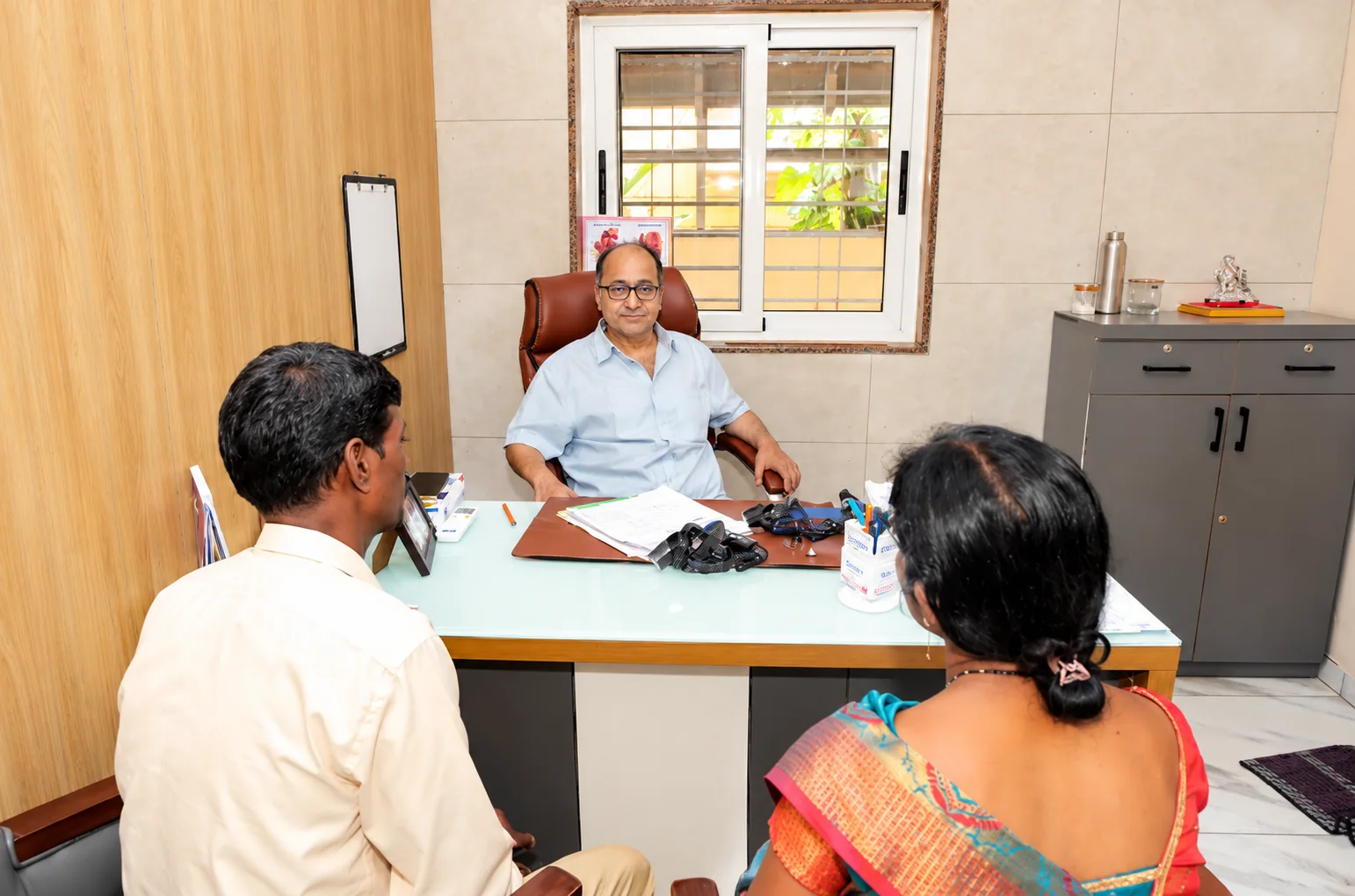
For a planned review, bring original scan images as well as written reports, previous treatment and operation records, a medicine and allergy list, and a short timeline of symptoms. Explain what has changed and how walking, work, sleep or everyday tasks are affected. Do not delay emergency care to collect these documents.
Ask which findings explain your symptoms, whether further tests would change the plan, what nonsurgical alternatives exist, and what any proposed treatment is intended to improve. Discuss risks, practical recovery needs and how results will be communicated. Costs, insurance approval and local procedural availability require case-specific confirmation.
Meet Dr. Rohan Patil, MS, M.Ch (Neurosurgery), explore the spine assessment hub, or use our hospital contact and directions page for Vishrambag, Sangli–Miraj Road, Sangli. An appointment request needs hospital confirmation and is not an emergency assessment.
Explore the condition and procedure guides
Choose the topic relevant to your question. Draft and optional-procedure labels are deliberate: educational coverage is not a claim of clinical approval or locally available treatment.
Frequently asked questions
Does a spine consultation automatically lead to an operation?
No. It may lead to reassurance, investigation, rehabilitation, medicines or referral. The reason for any proposed operation should be explained clearly.
Can my MRI determine treatment without an examination?
No. Symptoms and neurological findings must be matched to imaging. Common age-related findings are not always the source of pain.
Where can I compare decompression and fusion?
The related procedure and article guides explain their different aims. A surgeon must decide which, if either, is appropriate for your diagnosis.
What should I bring for an assessment?
Bring original scan images, reports, a medicine and allergy list, previous treatment records and a short symptom timeline. For an emergency, do not delay care while collecting documents.
Can this guide confirm my diagnosis?
No. Similar symptoms can have different causes. A clinician must interpret the history, examination and relevant tests before recommending a diagnosis or treatment.
How do I confirm the treatment location and appointment?
Contact the hospital to confirm the appropriate doctor, date, time and service scope. A booking request is not a guaranteed slot, procedure, insurance approval or bed reservation.
Which new symptoms should not wait for routine review?
Sudden weakness, speech change, an exceptionally severe headache, serious injury, new bladder or bowel dysfunction, saddle numbness or rapid neurological deterioration requires emergency assessment. Call 112 or local emergency services.
References and editorial policy
Original patient-education text prepared from the references above and supplied hospital facts. Content prepared: 22 October 2026. An actual reviewer’s name, qualifications and review date appear only after approval of this exact version. Review is due annually or earlier when evidence, clinical practice or hospital capabilities change. Read the medical disclaimer.