





Head Injury Treatment in Sangli
Head injuries range from a minor bump to concussion, a skull fracture or bleeding around the brain. The visible wound does not reliably show how serious the internal injury is. After a significant injury, worsening symptoms or neurological changes require prompt assessment. This guide helps families understand head injury treatment and when to seek emergency care in Sangli.
Symptoms and reasons for assessment
These features may justify medical review, but they do not establish a diagnosis. Their onset and progression determine urgency.
- Increasing headache or repeated vomiting
- Loss of consciousness, unusual sleepiness or confusion
- New weakness, seizures, speech or walking problems
- Deterioration after seeming to recover
Concussion and structural injury are different
Concussion affects brain function and can occur without an abnormal CT scan. A structural injury, such as a fracture or bleed, may require a different pathway. Both need appropriate clinical advice. The force of the injury, loss of consciousness, memory gaps, symptoms and examination help clinicians decide which problems need to be ruled out.
Information emergency staff need
Describe how and when the injury happened, whether the person lost consciousness, and any change since the event. Tell staff about blood-thinning medicines, bleeding disorders, alcohol or other substances and previous brain operations. If possible, a witness should describe events. Do not delay emergency transport while collecting records or completing an online form.
When CT may be needed
Clinicians use the history, examination and recognised assessment criteria to decide about CT. Age, symptoms, the injury mechanism and medicines may affect that decision. Not every mild injury needs a scan, and a normal scan does not rule out concussion. Observation and written safety-net advice can be essential even when an operation is unnecessary.
Observation, monitoring and surgical decisions
Monitoring may involve repeated checks of alertness, pupils, movement and vital signs. Surgery is considered for selected bleeds, pressure effects or fractures, rather than every head injury. The team should explain whether care can be provided locally or transfer is needed. No website can guarantee immediate access to a specific trauma procedure.
Returning to normal activities
Follow the discharge team’s instructions about rest, gradual activity, work, school, sport and driving. Symptoms such as headache, dizziness or difficulty concentrating may need follow-up. Avoid another injury while recovering. New or worsening neurological symptoms must be assessed urgently rather than attributed automatically to a routine concussion recovery.
Preparing for a consultation in Sangli
For a planned review, bring original scan images as well as written reports, previous treatment and operation records, a medicine and allergy list, and a short timeline of symptoms. Explain what has changed and how walking, work, sleep or everyday tasks are affected. Do not delay emergency care to collect these documents.
Ask which findings explain your symptoms, whether further tests would change the plan, what nonsurgical alternatives exist, and what any proposed treatment is intended to improve. Discuss risks, practical recovery needs and how results will be communicated. Costs, insurance approval and local procedural availability require case-specific confirmation.
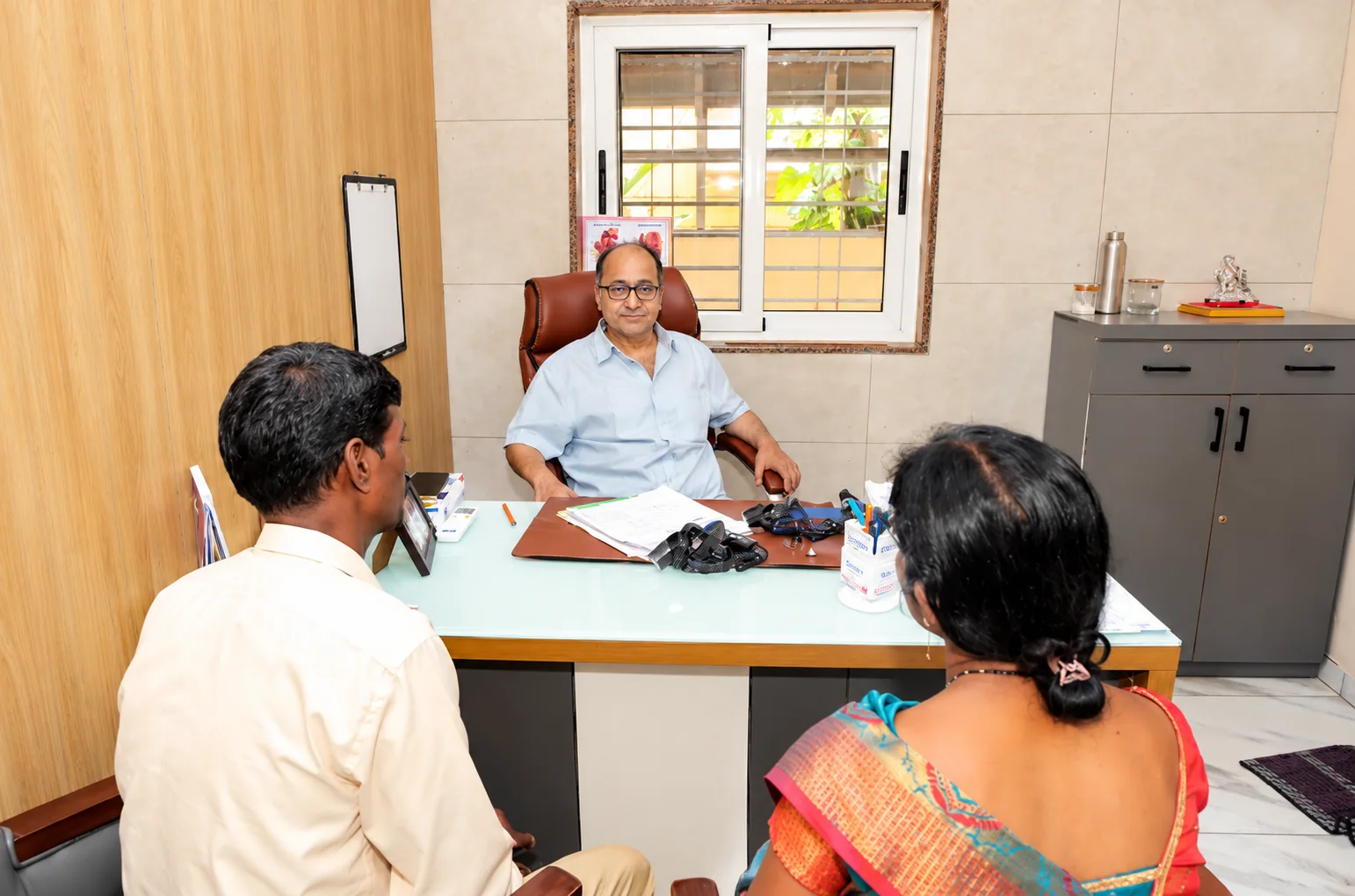
Meet Dr. Rohan Patil, MS, M.Ch (Neurosurgery), explore the neurosurgery department, or use our hospital contact and directions page for Vishrambag, Sangli–Miraj Road, Sangli. An appointment request needs hospital confirmation and is not an emergency assessment.
Frequently asked questions
Can a serious injury occur without an obvious cut?
Yes. Internal injury can occur without a major scalp wound. Symptoms, the injury mechanism and clinical assessment are more important than appearance alone.
Does a normal CT exclude concussion?
No. Concussion often does not produce a visible abnormality on routine CT. Follow-up and activity advice still matter when symptoms persist.
Is it safe to wait if symptoms worsen the next day?
No. Increasing drowsiness, repeated vomiting, weakness, seizure or worsening headache after injury requires urgent reassessment, even if the person was previously examined.
What should I bring for an assessment?
Bring original scan images, reports, a medicine and allergy list, previous treatment records and a short symptom timeline. For an emergency, do not delay care while collecting documents.
Can this guide confirm my diagnosis?
No. Similar symptoms can have different causes. A clinician must interpret the history, examination and relevant tests before recommending a diagnosis or treatment.
How do I confirm the treatment location and appointment?
Contact the hospital to confirm the appropriate doctor, date, time and service scope. A booking request is not a guaranteed slot, procedure, insurance approval or bed reservation.
Which new symptoms should not wait for routine review?
Sudden weakness, speech change, an exceptionally severe headache, serious injury, new bladder or bowel dysfunction, saddle numbness or rapid neurological deterioration requires emergency assessment. Call 112 or local emergency services.
References and editorial policy
Original patient-education text prepared from the references above and supplied hospital facts. Content prepared: 22 October 2026. An actual reviewer’s name, qualifications and review date appear only after approval of this exact version. Review is due annually or earlier when evidence, clinical practice or hospital capabilities change. Read the medical disclaimer.