




Minimally Invasive Spine Surgery in Sangli
Minimally invasive spine surgery describes selected approaches that use smaller access routes to reach the spine. The term does not mean a minor operation, zero risk or automatic eligibility. This educational guide explains how suitability is assessed. It does not confirm which minimally invasive techniques or equipment are available locally.
Evaluation and referral information: a topic on this website does not confirm that this procedure is offered locally. Capability confirmation is required before service promotion.
Symptoms and reasons for assessment
These features may justify medical review, but they do not establish a diagnosis. Their onset and progression determine urgency.
- A diagnosed spinal condition being considered for intervention
- Persistent nerve symptoms despite appropriate treatment
- Imaging that matches the clinical problem
- A need to compare smaller-access and open approaches
The approach is not the diagnosis
A patient first needs a clear diagnosis and a reason for an operation. “Keyhole” is a description of access, not proof that surgery is required. Different techniques may be used for different problems. The treatment goal should be understandable without relying on marketing language or the size of the skin incision.
Who may be suitable
Anatomy, the level and extent of disease, stability, previous operations and health all influence suitability. A small-access approach is not appropriate for every tumour, injury, deformity or degenerative condition. The surgeon should explain the alternatives and why a proposed technique is reasonable for the individual case.
Benefits and limitations
Selected approaches may reduce disruption of surrounding tissues, but any benefit must be balanced against technical limitations and risks. Shorter incisions do not eliminate nerve injury, bleeding, infection, persistent symptoms or the possibility of further treatment. A smaller access route does not automatically mean faster recovery for every patient.
When an open approach may be better
The safest approach is the one that allows the required treatment reliably and appropriately. Some cases need wider access, a different operation or no surgery at all. Ask whether the decision is based on the disease and anatomy rather than an assumption that a newer-sounding approach must be superior.
Planning, recovery and local capability
Discuss anaesthesia, expected admission, activity, work and follow-up with the treating team. The specific technique and equipment must be confirmed before scheduling. If unavailable locally, ask about referral. Recovery advice should be tailored to what was actually done, not copied from a generic minimally invasive surgery advertisement.
Preparing for a consultation in Sangli
For a planned review, bring original scan images as well as written reports, previous treatment and operation records, a medicine and allergy list, and a short timeline of symptoms. Explain what has changed and how walking, work, sleep or everyday tasks are affected. Do not delay emergency care to collect these documents.
Ask which findings explain your symptoms, whether further tests would change the plan, what nonsurgical alternatives exist, and what any proposed treatment is intended to improve. Discuss risks, practical recovery needs and how results will be communicated. Costs, insurance approval and local procedural availability require case-specific confirmation.
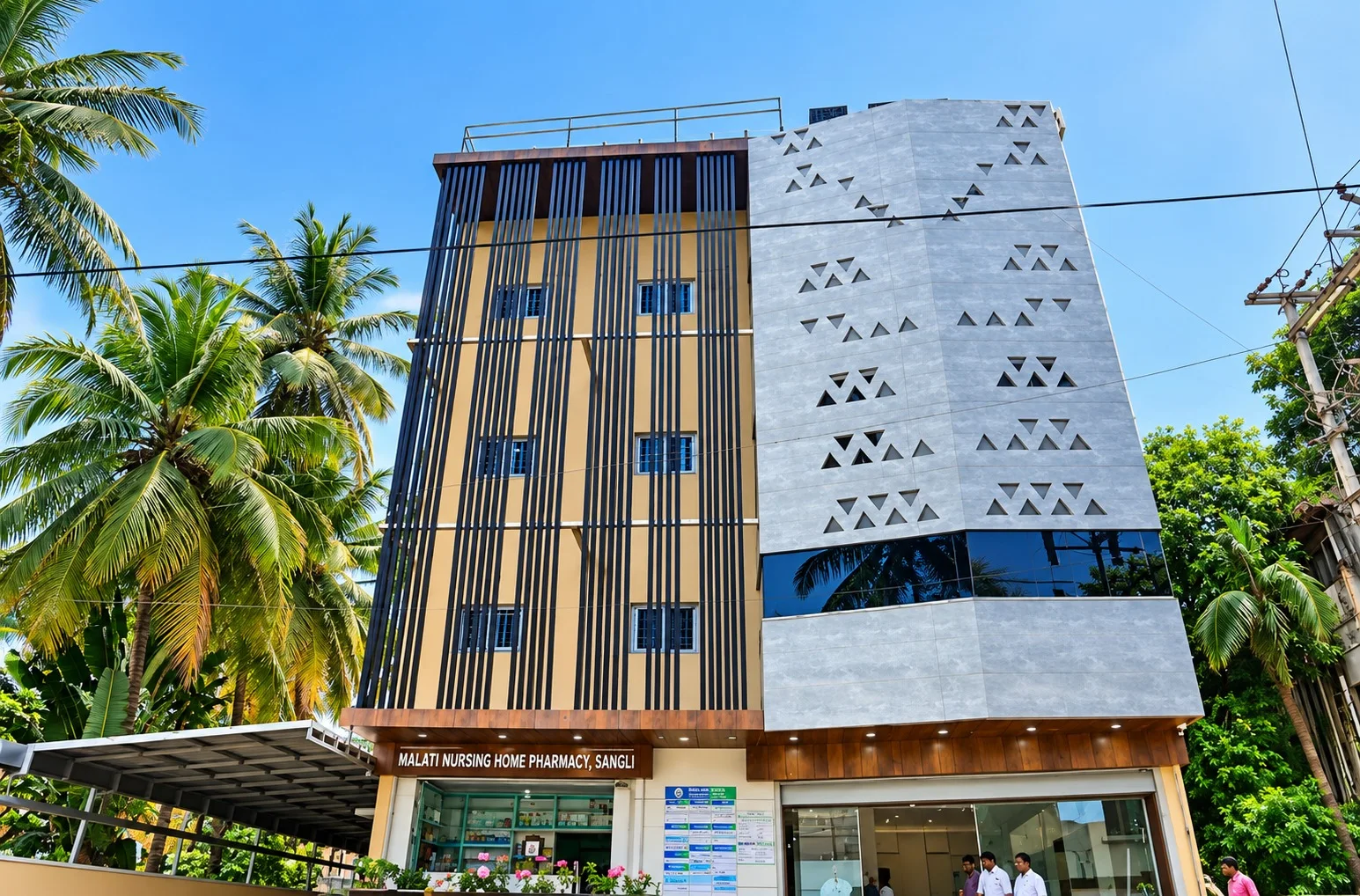
Meet Dr. Rohan Patil, MS, M.Ch (Neurosurgery), explore the spine assessment hub, or use our hospital contact and directions page for Vishrambag, Sangli–Miraj Road, Sangli. An appointment request needs hospital confirmation and is not an emergency assessment.
Frequently asked questions
Does minimally invasive mean risk-free?
No. It describes an access approach and does not remove the risks of spinal surgery. Eligibility, alternatives and complications need individual discussion.
Can every spine problem be treated through a small incision?
No. Anatomy, disease extent and stability may make another approach safer or more effective. Some problems do not need surgery.
Is minimally invasive spine surgery confirmed at this hospital?
Not by this page. The hospital and surgeon must confirm the specific procedure, equipment and local arrangements before it is presented as an offered service.
What should I bring for an assessment?
Bring original scan images, reports, a medicine and allergy list, previous treatment records and a short symptom timeline. For an emergency, do not delay care while collecting documents.
Can this guide confirm my diagnosis?
No. Similar symptoms can have different causes. A clinician must interpret the history, examination and relevant tests before recommending a diagnosis or treatment.
How do I confirm the treatment location and appointment?
Contact the hospital to confirm the appropriate doctor, date, time and service scope. A booking request is not a guaranteed slot, procedure, insurance approval or bed reservation.
Which new symptoms should not wait for routine review?
Sudden weakness, speech change, an exceptionally severe headache, serious injury, new bladder or bowel dysfunction, saddle numbness or rapid neurological deterioration requires emergency assessment. Call 112 or local emergency services.
References and editorial policy
Original patient-education text prepared from the references above and supplied hospital facts. Content prepared: 22 October 2026. An actual reviewer’s name, qualifications and review date appear only after approval of this exact version. Review is due annually or earlier when evidence, clinical practice or hospital capabilities change. Read the medical disclaimer.