Appointments, clinician availability and the exact services offered should be confirmed with the hospital team.
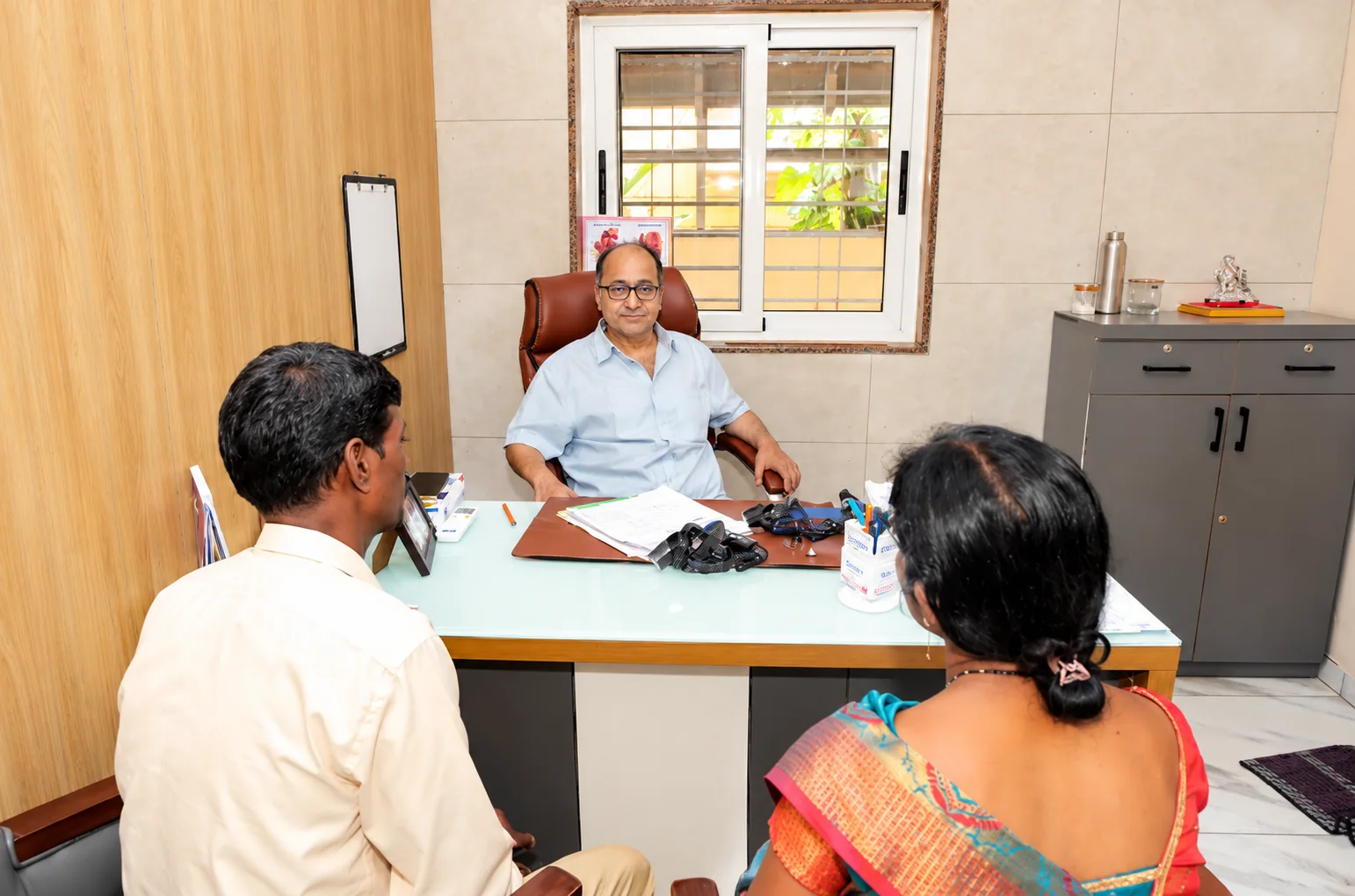
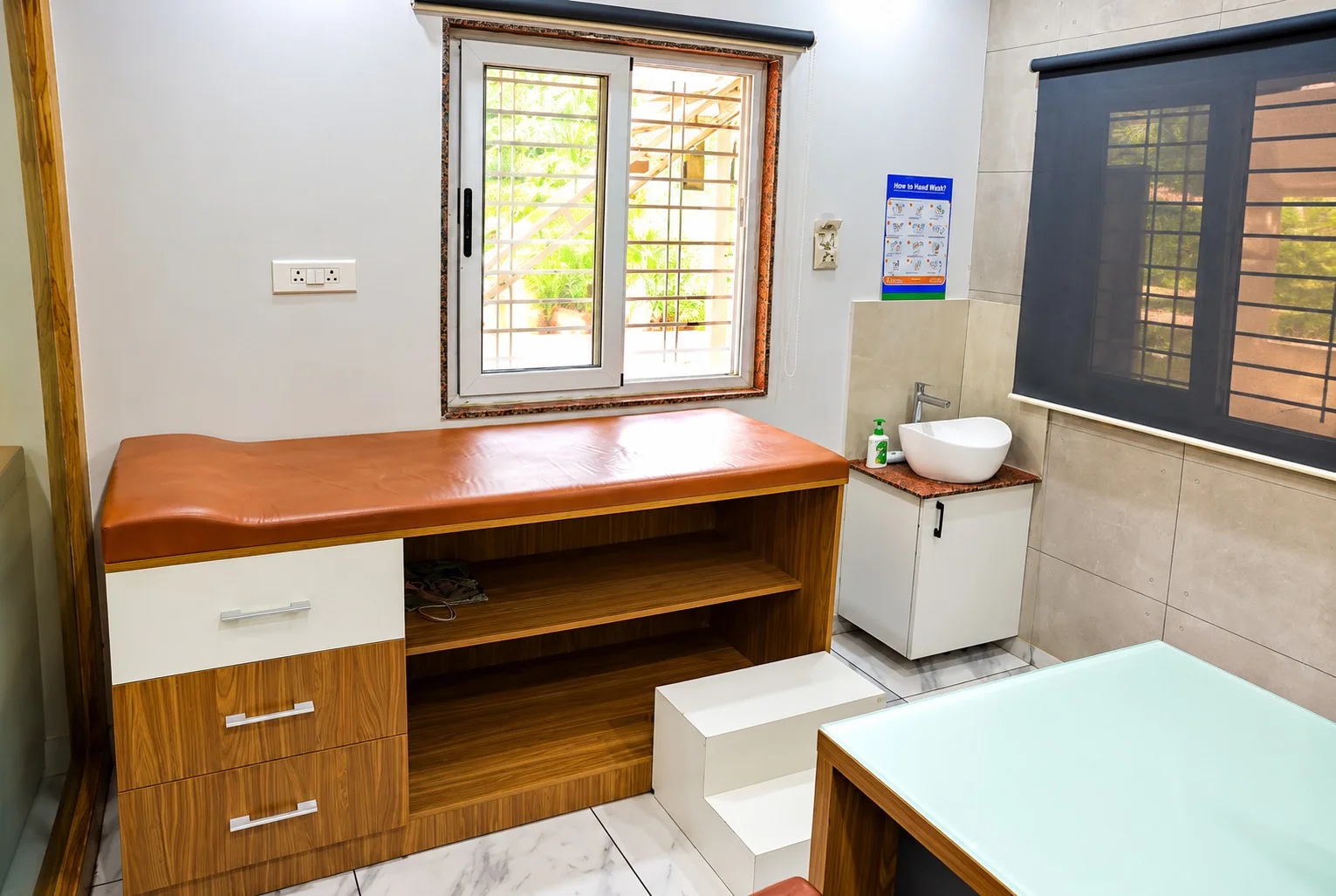
Hospital photograph. Specific care and equipment depend on the service and clinical plan.
Service overview
Discuss your concern with the clinical team
The Cardiology department at Deccan Malti Hospital, Sangli provides evaluation and medical management of heart and circulation conditions — chest pain assessment, high blood pressure, cholesterol disorders, heart rhythm problems and heart failure follow-up. Equally important is preventive cardiology: identifying risk early in people with diabetes, family history or lifestyle risk factors, and acting before a heart event occurs. Care is coordinated with the hospital's other specialities for patients who need multi-system management.
This educational page does not diagnose a condition or replace assessment and advice from a qualified clinician.
How the consultation may help
Heart disease rarely announces itself clearly. More often it whispers — breathlessness climbing stairs that you attribute to age, chest discomfort after meals you blame on acidity, swelling of the feet you ignore. A cardiology consultation turns these vague signals into a clear picture of your heart's condition.
For many patients, the most valuable outcome of a cardiac check-up is reassurance combined with a concrete prevention plan: what your blood pressure, sugar and cholesterol numbers mean, which medicines are truly needed, and which lifestyle changes will give you the most benefit for the effort.
When tests or procedures are advised, the reasons are explained — what the test can show, what it cannot, and how the result will change your treatment.
Concerns that may be assessed
The examples below are general information, not a self-diagnosis checklist. A clinician decides what assessment is appropriate.
Coronary Artery Disease
Narrowing of the heart's own arteries by cholesterol deposits, causing chest pain on exertion (angina) or heart attack. Management spans medicines, risk-factor control and, where indicated, angiography-based procedures.
Chest pressure with sweating or breathlessness at rest is an emergency — do not drive yourself, call for help.
High Blood Pressure (Hypertension)
A silent condition that damages the heart, brain, kidneys and eyes over years. Usually needs long-term medicine plus salt and weight management, with periodic review.
Very high readings with headache, blurred vision or chest pain need same-day assessment.
Heart Rhythm Disorders
Abnormally fast, slow or irregular heartbeat causing palpitations, dizziness or blackouts. ECG and monitoring identify the rhythm; treatment ranges from medicines to device-based care.
Fainting with palpitations, especially with known heart disease, needs urgent evaluation.
Heart Failure
The heart pumps less effectively, causing breathlessness, leg swelling and fatigue. Modern medicines substantially improve symptoms and survival when taken consistently with salt and fluid discipline.
Sudden worsening breathlessness, especially at night, needs prompt medical attention.
Cholesterol Disorders
High LDL cholesterol silently accelerates artery blockage. Treatment decisions are based on your overall risk, not a single number — explained clearly at consultation.
A strong family history of early heart attacks justifies early cholesterol screening.
Valve & Structural Heart Conditions
Leaking or narrowed heart valves may cause murmurs, breathlessness or fatigue. Echocardiography defines severity; mild disease is monitored, significant disease is referred for intervention at the appropriate time.
Known valve disease with new breathlessness or fainting should not wait for a routine visit.
Symptoms to discuss
Describe what you notice, when it started, how it has changed and how it affects everyday activities. Seek urgent care for severe or sudden symptoms.
Chest pain, pressure or burning — on exertion or at rest
Breathlessness disproportionate to activity, or while lying flat
Palpitations — racing, pounding or skipped beats
Blackouts or near-fainting episodes
Swelling of feet, ankles or abdomen
Unexplained fatigue limiting daily activity
You have diabetes, high BP, high cholesterol, smoke, or a family history of early heart disease — even without symptoms
Assessment and investigations
Cardiac evaluation starts with history, pulse and blood pressure measurement in both arms, and examination of the heart and circulation. An ECG — a ten-minute tracing of the heart's electrical activity — is the most common first test.
Depending on the clinical question, further tests may include echocardiography (ultrasound of the heart), treadmill stress testing, Holter monitoring for intermittent rhythm problems, ambulatory blood pressure monitoring, and blood tests including lipid profile and sugar. Please confirm the availability of specific tests when you book.
Where a procedure such as angiography is indicated, the reasons, alternatives and next steps are explained beforehand, and you are guided to the appropriate facility for intervention with continuity of care.
Possible care options
The foundation of cardiac treatment is medical: the right combination of medicines for your condition, explained so that you know what each tablet does and why it matters. Equally important is the non-medicine half — salt restriction, regular activity, tobacco cessation, weight and sleep.
For chronic conditions — hypertension, heart failure, rhythm disorders — treatment is a long-term partnership. Doses are adjusted at reviews based on your reports, home BP readings and symptoms.
Prevention is treated as seriously as disease. If you are at risk but not yet ill, you receive a clear, personalised prevention plan with measurable targets and review dates.
What to discuss with the team
Prevention-first approach — risk identified and controlled before events occur
Clear explanation of every test and medicine, in your language
Long-term management of BP, cholesterol, heart failure and rhythm problems
Coordinated care with nephrology, neurology and other specialities for multi-system disease
Guided referral and continuity when interventional procedures are needed
A possible care pathway
Book a consultation
Online, phone or WhatsApp. Carry old ECGs and reports if you have them.
Clinical evaluation
History, examination, blood pressure and baseline ECG.
Tests as indicated
Echo, stress test, Holter or blood tests advised only where they change management.
Treatment & targets
Medicines plus a written lifestyle plan with clear BP/sugar/cholesterol targets.
Review & adjust
Follow-up at defined intervals; treatment refined using your home readings and reports.
Preparing for a visit
All current medicines, or a clear written list with doses
Previous ECGs, echo reports, angiography CDs and discharge summaries
Recent blood reports — lipid profile, sugar, kidney function
A home blood pressure diary if you monitor BP
Family history details — who had heart disease and at what age
Insurance documents, if applicable
Follow-up and recovery
After a heart event or new diagnosis, the first three months set the trajectory: taking medicines without gaps, gradually building activity as advised, and attending every review. Cardiac recovery is measured in habits, not days.
Patients are guided on warning signs that should trigger early contact — increasing breathlessness, chest discomfort, rapid weight gain from fluid, or blackouts — rather than waiting for the next scheduled visit.
Families are encouraged to learn the basics of the patient's medicine list and emergency response; it genuinely saves lives.
Recording symptoms and risk information
For a cardiology visit, note when symptoms occur, how long they last, what you were doing, what improves them and whether they have changed. Mention chest discomfort, breathlessness, palpitations, fainting, swelling or reduced ability to exercise when relevant. Do not delay urgent assessment to complete a diary.
Bring earlier ECG or heart-test reports, discharge summaries, prescriptions and a list of health conditions. If you monitor blood pressure or pulse at home, bring dated readings and explain how they were taken. A clinician can decide which measurements are useful and whether more testing is needed.
Why different heart tests answer different questions
An ECG, echocardiogram, exercise test, blood test or imaging study can provide different information about the heart. The clinician selects a test based on the symptoms and question being asked. Ask what the test can show, what it cannot show and whether preparation or medicine instructions apply.
Do not treat an isolated test result as a diagnosis or use another person’s result to judge your own symptoms. Ask who will review the report, when the result will be available and what the next step is if it is normal or inconclusive. Keep follow-up appointments until the clinician explains the plan.
Distinguishing routine review from an emergency
A scheduled cardiology appointment is appropriate for planned assessment, but severe or sudden symptoms need faster attention. Severe chest pain, serious breathing difficulty, collapse, sudden weakness or a person who is difficult to wake can be an emergency. Call emergency services rather than travelling alone or waiting for a clinic callback.
For an immediate emergency in India, call 112 or go to the nearest emergency department. This page and the appointment form are not monitored for urgent triage. If the care team has provided a specific emergency plan, follow it and tell responders about medicines and known heart conditions.
Preparing for heart tests and medication review
Before an exercise or imaging test, ask about food, activity, clothing and medicine instructions. Do not stop a heart medicine unless the test team specifically tells you to. If you cannot safely exercise or have mobility limits, tell the clinician so the appropriate test can be considered.
Bring your medication list, allergy information and prior ECG or discharge reports. Mention over-the-counter products and supplements. Ask whether the result will be sent to your regular clinician and who is responsible for explaining it.
Planning ongoing care and risk discussions
If ongoing monitoring is recommended, ask which symptoms or measurements matter, how often review is needed and what should prompt earlier contact. A plan should fit your health history and daily routine. Do not start a new diet, exercise programme or medicine change without discussing it with the treating team.
Ask for a clear division of responsibilities if a primary clinician and cardiologist are both involved. Keep a written summary of changes and bring it to appointments. For severe or sudden symptoms, use emergency services rather than waiting for routine follow-up.
Patient questions
Frequently asked questions about Cardiology
These general answers support a conversation with a qualified clinician; your care plan depends on your individual situation.
How do I know if my chest pain is from the heart or acidity?
You often cannot tell reliably at home — even doctors use an ECG and examination to distinguish them. Heart-related pain is classically brought on by exertion and eases with rest, but exceptions are common. Any recurrent or severe chest pain deserves a medical evaluation rather than guesswork.
My BP is high only at the doctor's clinic. Is treatment needed?
This "white coat" pattern is common. Home blood pressure monitoring or 24-hour ambulatory monitoring clarifies whether your average BP is genuinely high. Treatment decisions are then based on your real-world numbers.
At what age should I start heart check-ups?
If you have diabetes, high BP, smoke, or a parent/sibling with early heart disease, start in your 30s. Otherwise, a baseline evaluation around 40 is sensible, with intervals based on your risk profile.
Can BP medicines be stopped once readings become normal?
Usually readings are normal because the medicines are working. Stopping them lets BP climb back silently. Dose reduction is sometimes possible under supervision with sustained lifestyle change — never stop on your own.
Is cholesterol medicine lifelong?
For people who have had a heart event or have high risk, long-term statin therapy gives the proven benefit. For lower-risk individuals, the decision is individualised after discussing your overall risk, not just one number.
Are palpitations dangerous?
Most palpitations are benign, but some rhythm disorders need treatment, especially with fainting, known heart disease, or family history of sudden death. An ECG during symptoms — or Holter monitoring — usually settles the question.
How much walking is safe for a heart patient?
For most stable heart patients, regular brisk walking is not just safe but recommended — typically building up to 30–45 minutes most days. After a recent heart event or procedure, activity is increased stepwise under medical guidance.
Do I need to stop eating all oil and ghee?
Total elimination is neither practical nor necessary. Moderation, choosing better fats, and overall dietary pattern matter more than banning any single item. Your targets and practical swaps are discussed at consultation.
What should I do if I think someone is having a heart attack?
Call for emergency help immediately, make the person sit and rest, loosen tight clothing, and help them chew an aspirin if it is available and they are not allergic, while awaiting help. Do not let them walk around or drive themselves.
Videos & reels
Cardiology videos
Short videos shared by the hospital about this service.
▶
Videos coming soon
The hospital can add service-related YouTube or Instagram videos in the admin panel.
Videos are provided for general information. They do not replace medical advice, diagnosis or treatment.
Help us improve this page
Share feedback about this service information
Your message is sent privately to the hospital team and is not published as a review. Please do not include patient records, test results or other sensitive medical details.
For appointments, use the appointment form. For urgent medical help, call 112 or go to the nearest emergency department.
Related services
Explore related care
Nephrology
Assessment and medical care for kidney-related conditions.